Our Top Picks
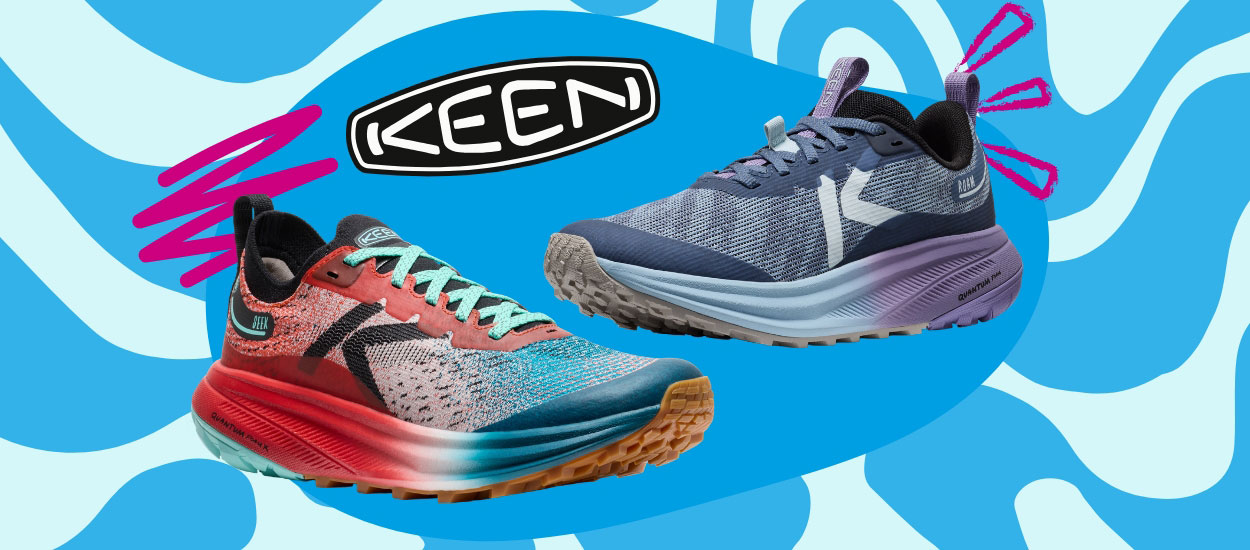
- Technical Trails: KEEN Seek featuring 4mm lugs and QuantumFoamX cushioning for aggressive off-road response.
- Road-to-Trail Hybrid: KEEN Roam for mixed-terrain versatility, optimized for transitions between asphalt and gravel.
- Best for Wide Feet: Both models utilize the Original Fit anatomical toebox to allow natural toe splay.
- Durability Champion: Lab-rated to last 925 miles, significantly outlasting the industry average for outsoles.
KEEN trail runners are high-performance footwear built with the brand's iconic hiking DNA, featuring the Original Fit wide toe box and lab-rated 925-mile durability to handle everything from technical peaks to gravel paths.
For decades, the Pacific Crest Trail served as a proving ground for heavy-duty leather boots. However, the landscape of mountain travel has undergone a seismic shift. Recent data suggests that 95% of PCT hikers have swapped traditional boots for trail runners, signaling a demand for footwear that combines the protection of a hiker with the agility of a runner. KEEN, a brand synonymous with rugged utility and the famously protected toe, has officially entered the fray with the Seek and the Roam.
This KEEN Seek vs Roam review explores how the Portland-based manufacturer successfully translated its outdoor heritage into a fast-and-light format. By leveraging two decades of innovation, they have created a lineup that addresses the primary frustrations of modern runners: durability, toe room, and environmental impact.
Inheritance: Built with Iconic Hiking Boot DNA
The transition from a legendary hiking brand to a serious contender in the running space was not an overnight decision. The development process for these KEEN trail runners involved 12 different prototype iterations and over 900 miles of field testing conducted by the brand’s internal innovation team. This rigorous testing ensured that while the shoes became lighter, they did not lose the rugged protection that defines the brand.
At the heart of this DNA is the Original Fit. Most traditional running shoes taper at the front, often squeezing the toes together. This compression can lead to stability issues and discomfort, especially during high-mileage efforts when the feet naturally swell. KEEN utilizes an anatomical forefoot shape that provides wide toe box trail running shoes for natural toe splay. By allowing the big toe to remain straight and the others to spread, the shoes foster better balance and a more powerful push-off.
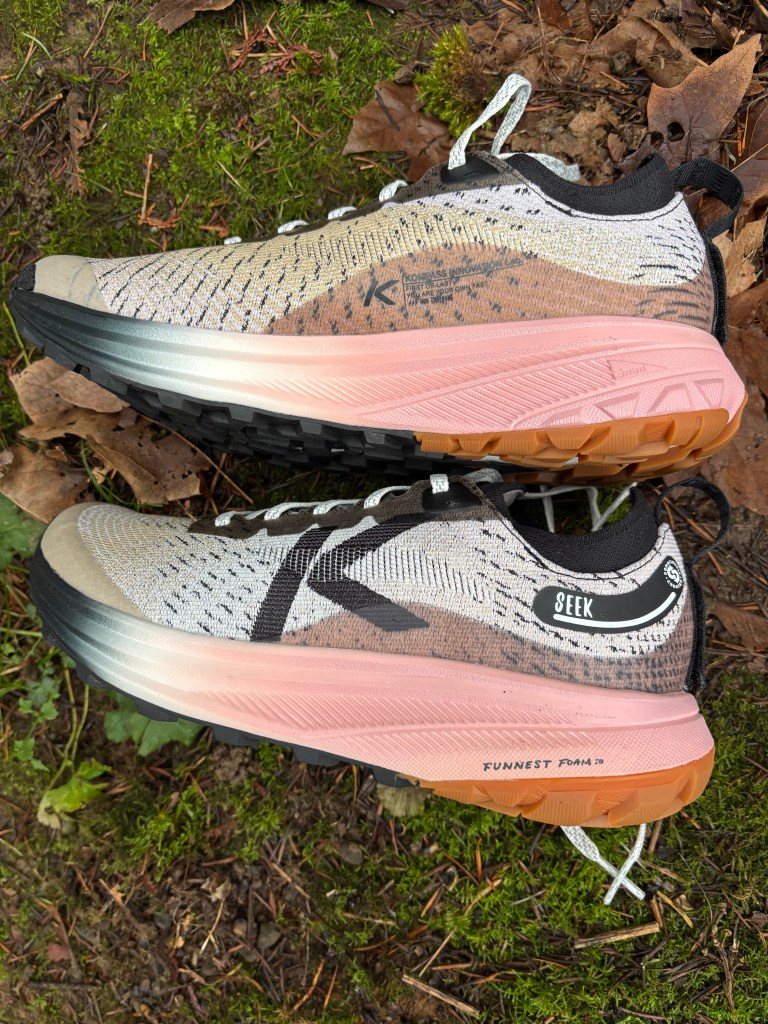
This focus on foot health is a direct descendant of the Pacific Crest Trail influence. When you are on your feet for six hours a day in varying temperatures, space is not a luxury; it is a necessity for preventing blisters and nerve impingement. These are hiking boot inspired trail runners for better protection, ensuring that even as you pick up the pace, your feet stay as comfortable as they would in a traditional hiker.
Terrain Matching: KEEN Seek vs Roam Comparison
When choosing between the two debut models, the decision typically comes down to where you spend the majority of your miles. While both share the same fundamental wide toe box trail running shoes philosophy, their outsoles and cushioning profiles are tuned for different environments.
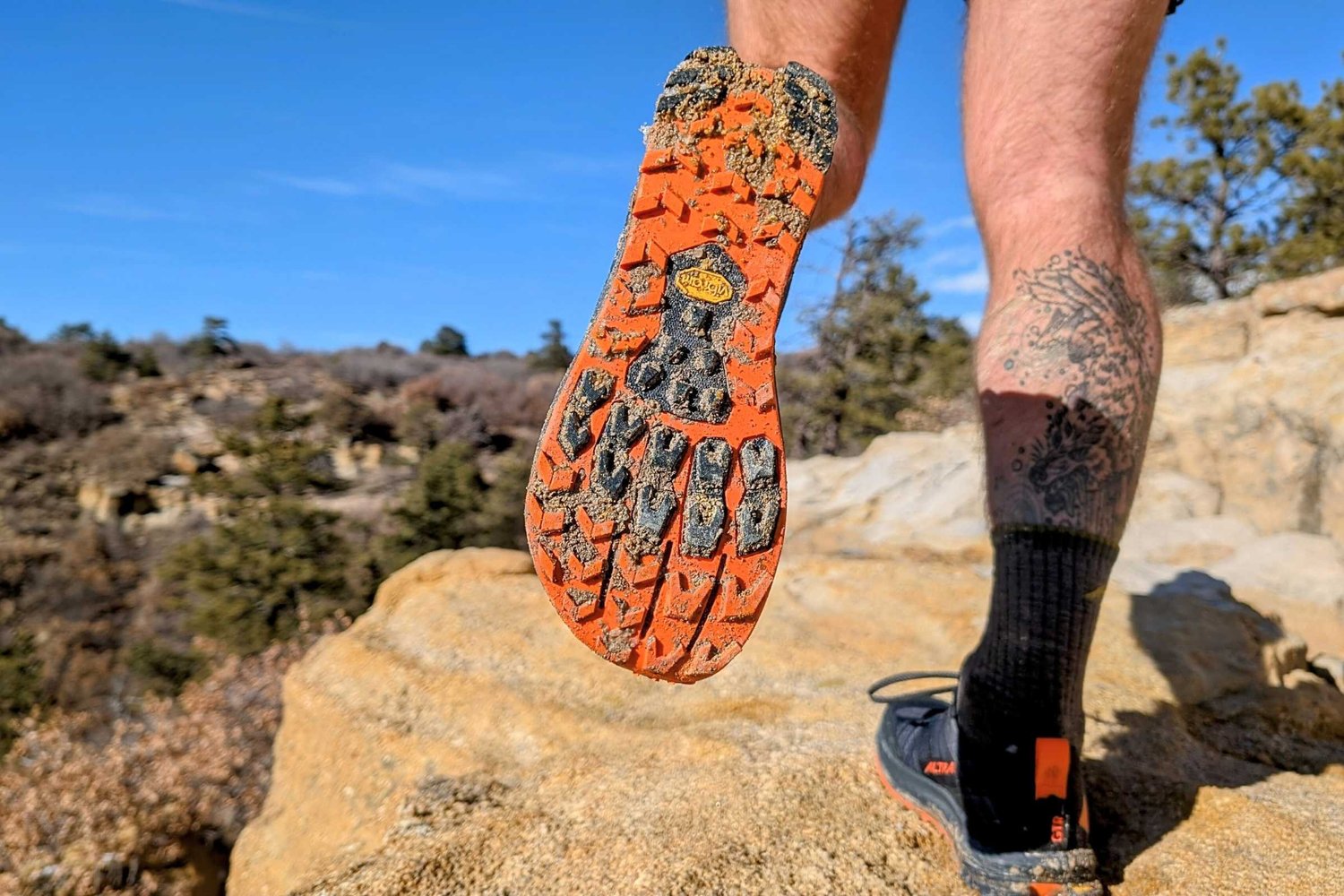
The Seek is the flagship technical trail runner. It is designed for those who leave the pavement behind as quickly as possible. With a substantial 39mm stack height and the introduction of QuantumFoamX, it provides high-energy cushioning that absorbs the shock of sharp rocks and roots. The outsole features 4mm lugs in a multi-directional traction pattern, specifically designed to bite into loose dirt and mud.
The Roam, conversely, is the definitive adaptive road-to-trail shoe. It is built for the "door to trail" runner—someone whose route might include two miles of sidewalk before hitting the local nature preserve. The lugs are shallower at 3mm, providing a smoother ride on hard surfaces while still offering enough grip for gravel and decomposed granite.
Technical Specifications Comparison
| Feature | KEEN Seek (Technical) | KEEN Roam (Hybrid) |
|---|---|---|
| Best Use | Rugged, technical trails | Road-to-trail, gravel, pavement |
| Lug Depth | 4mm (Butterfly shape) | 3mm (Speed profile) |
| Cushioning | QuantumFoamX | High-Rebound Foam |
| Outsole | ALL-TERRAIN high-abrasion rubber | ALL-TERRAIN high-abrasion rubber |
| Weight | ~305g (Men's 9) | ~305g (Men's 9) |
| MSRP | $185 | $165 |
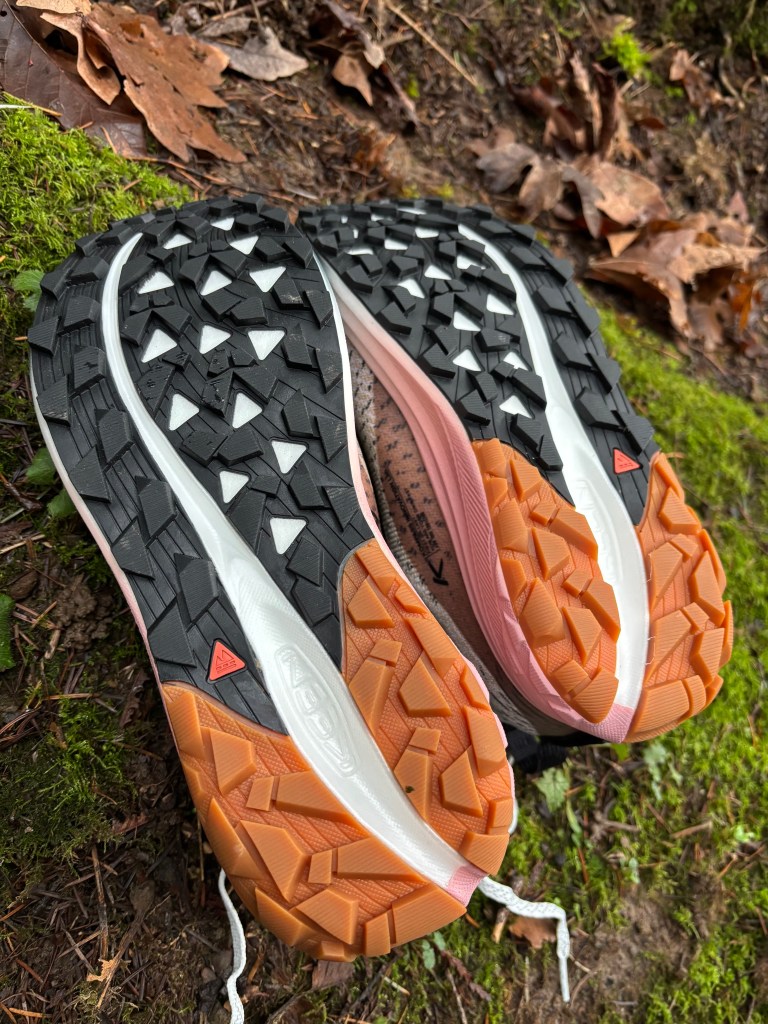
The KEEN Seek vs Roam trail running shoe comparison reveals that while they look similar profile-wise, the Seek is noticeably more rigid and protective for off-road use. If your weekend involves scrambling over scree fields or climbing steep mountain passes, the Seek is the clear winner. However, for those looking for durable road to trail shoes for gravel and pavement, the Roam offers a more versatile, daily-driver feel.
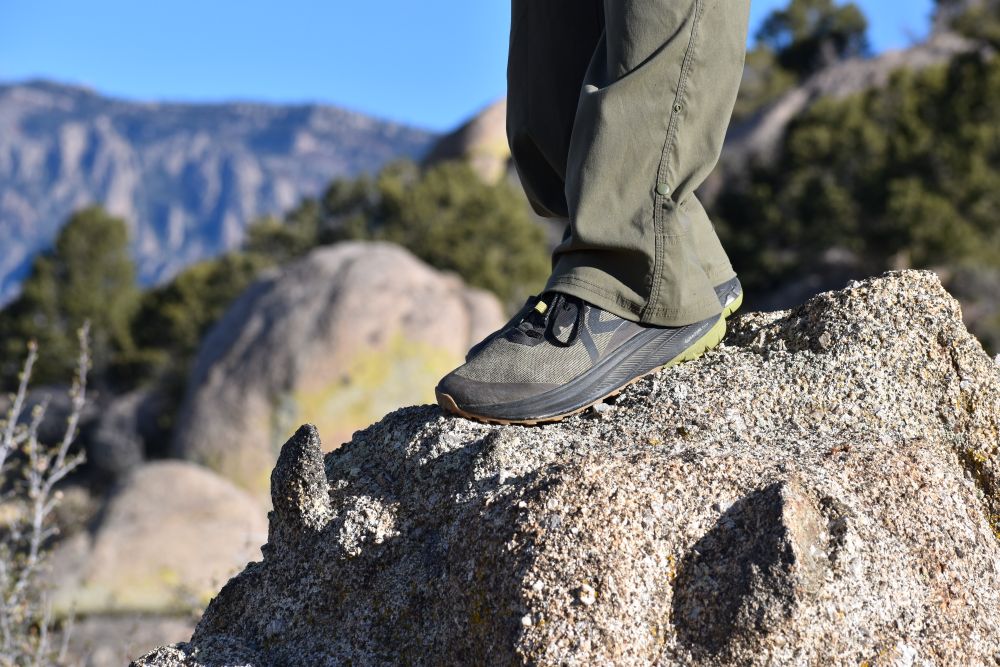
Pro Tip: If you are a hiker who prefers the feel of a sneaker but needs the grip of a boot, the Seek is often the better "crossover" shoe due to its aggressive lug depth and reinforced toe cap.
Quantified Durability: The 925-Mile Benchmark
One of the most persistent criticisms of the trail running category is the "disposable" nature of the shoes. Many high-performance models lose their grip or midsole responsiveness after just 300 to 400 miles. KEEN set out to change this paradigm by applying the longevity standards of their work boots to their running line.
The results are backed by third-party verification. These KEEN trail runners feature high-abrasion rubber outsoles that were laboratory rated by Heeluxe to last for 925 miles before wearing smooth. For the average runner, this could mean getting nearly three times the lifespan out of a single pair of shoes compared to competing brands.
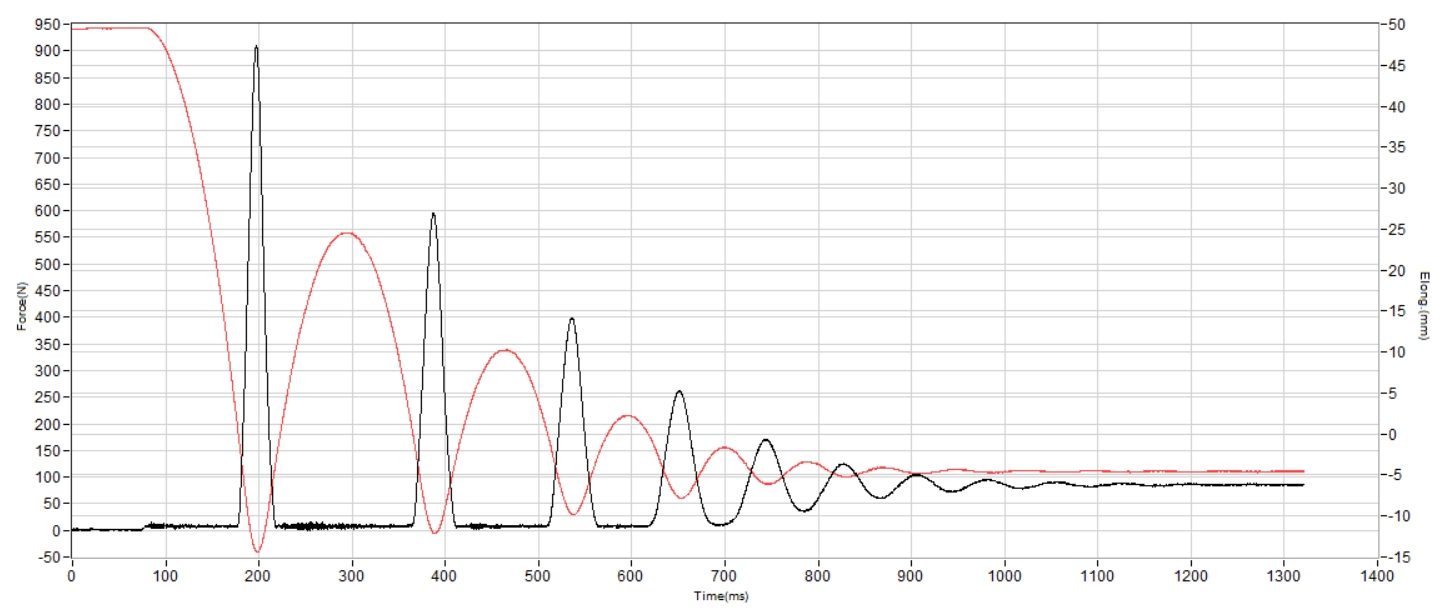
This 925-mile endurance rating is achieved through a proprietary rubber compound that balances stickiness with wear resistance. In lab tests, the outsole showed significantly lower wear rates (0.6mm vs the common 0.9mm found in standard runners). For a community looking for trail running shoes with high mileage durability ratings, this metric is a game-changer, especially given the rising cost of technical footwear.
Sustainable Performance: PFAS-Free and Biodegradable
Beyond physical durability, KEEN has integrated its "Consciously Created" philosophy into the performance specs. These are not just durable shoes; they are sustainable PFAS free trail running performance footwear. The brand has been a leader in removing perfluorinated chemicals (PFAS) from its supply chain since 2018, ensuring that no "forever chemicals" end up in the watersheds where we run.
The midsole technology also features a breakthrough known as the EcoEnd midsole. This material is ASTM D5511 certified, meaning it is designed to biodegrade in microbial landfill conditions much faster than standard EVA foam. At the end of that 925-mile journey, the shoe's impact on the planet is significantly reduced.
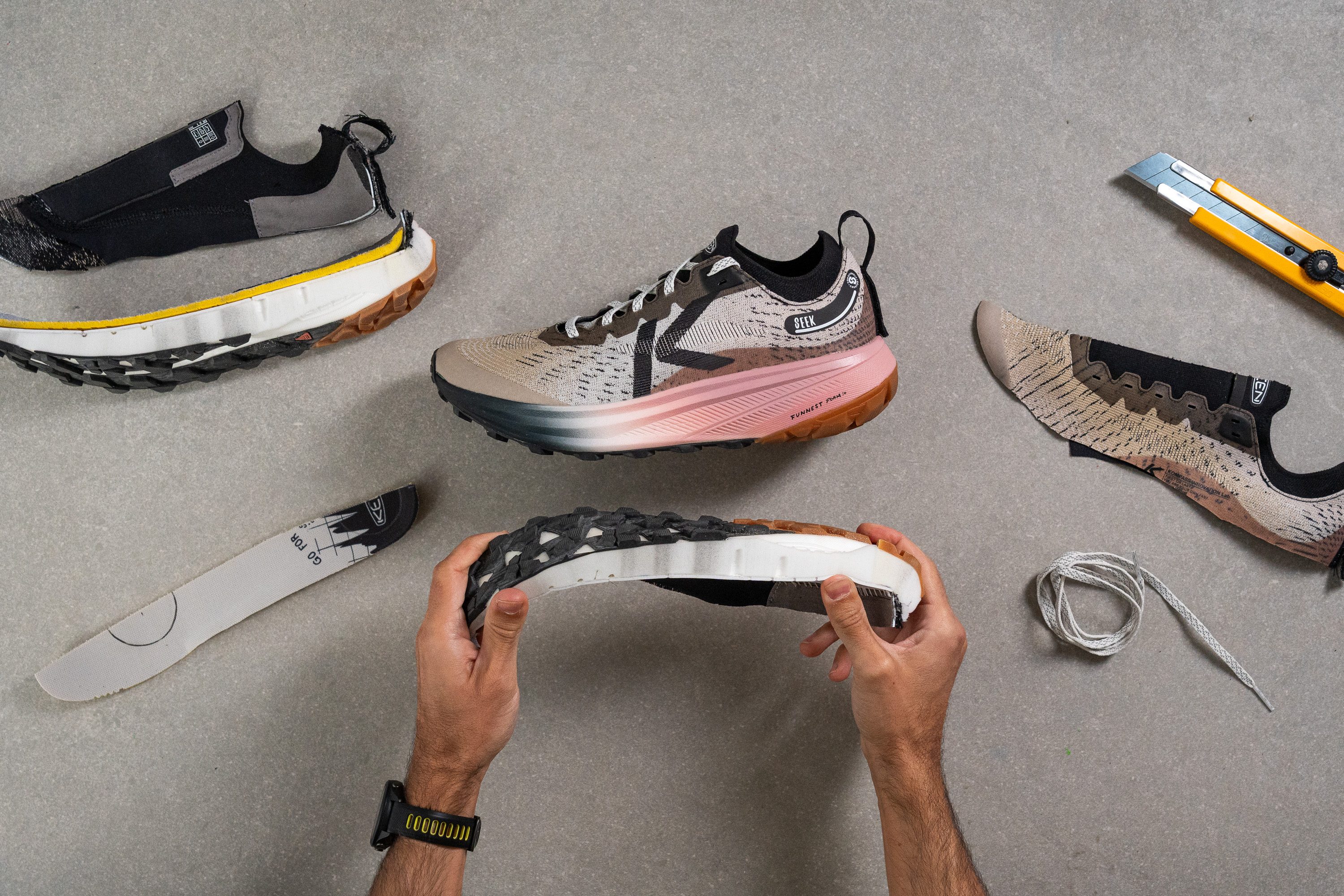
Furthermore, the shoes utilize pesticide-free odor control. Instead of using heavy metals or harsh chemicals to manage foot funk, KEEN uses probiotic technology to naturally break down sweat and bacteria. It is a win for both the user's skin health and the environment.
Ideal Buyer vs. Who Should Avoid
| Ideal Buyer | Who Should Avoid |
|---|---|
| Feet that need extra room to splay naturally. | Runners who prefer a narrow, locked-in "racing" fit. |
| Athletes who prioritize long-term durability. | Weight-weenies looking for sub-250g racing flats. |
| Hybrid runners who mix pavement and light trails. | Sprinters strictly training on tracks or flat asphalt. |
| Eco-conscious consumers seeking PFAS-free gear. | Those who prefer high-drop, traditional stability shoes. |
FAQ
Are KEEN trail shoes good for running?
Yes, they have been specifically engineered for the biomechanics of running rather than walking. By incorporating high-energy QuantumFoamX and a lightweight mesh upper, KEEN trail runners provide the necessary energy return and breathability required for high-intensity training.
Which KEEN shoes are best for trail running?
If you are tackling technical, muddy, or steep terrain, the KEEN Seek is the superior choice due to its butterfly-shaped 4mm lugs. For urban paths, city parks, and light gravel, the KEEN Roam offers a more versatile road-to-trail experience.
Do KEEN trail runners run small or large?
They generally run true to size in terms of length. However, due to the Original Fit design, they will feel much roomier in the forefoot than brands like Nike or Salomon. If you have very narrow feet, you might feel a bit more internal movement than you are used to.
Are KEEN trail runners suitable for wide feet?
Absolutely. The wide toe box trail running shoes construction is one of their primary selling points. The anatomical shape is specifically designed to accommodate wide feet and the natural swelling that occurs during long-distance efforts.
Can you hike in KEEN trail running shoes?
Yes, many users prefer them for fastpacking or day hiking. Because they are built with hiking boot inspired trail runners for better protection, they offer more underfoot stability and toe protection than typical flimsy running sneakers.
How does the grip on KEEN trail runners perform on wet terrain?
The ALL-TERRAIN rubber compound is designed for multi-directional traction. The Seek model excels on wet rock and mud thanks to its deeper lug profile and "butterfly" traction pattern which prevents mud buildup and maintains contact with slick surfaces.
Final Verdict: Who Should Choose KEEN Trail Runners?
The entry of KEEN into the running market isn't just another brand expansion; it is an evolution of a philosophy that prioritizes foot health and longevity. These are not just lightweight versions of boots; they are a distinct category of high-performance footwear that refuses to sacrifice toe room for the sake of a sleek profile.
The KEEN Seek vs Roam review highlights a clear divide in the lineup. If you are an explorer of technical peaks and rugged forests, the Seek provides the responsiveness and 4mm lug grip you need to move with confidence. If you are a commuter or a weekend warrior who needs durable road to trail shoes for daily mixed-terrain use, the Roam is an exceptionally comfortable and long-lasting alternative.
With a 925-mile endurance rating and a commitment to sustainable, PFAS-free manufacturing, these shoes are a compelling choice for the modern runner who values mixed-terrain versatility and ethical construction. Whether you are chasing a new PR on a gravel rail-trail or embarking on a fast-paced mountain summit, KEEN has successfully infused its iconic DNA into a platform built for speed.