Quick Facts
- Lifespan: Premium down gear lasts 10-15 years, nearly doubling the utility of most mass-market synthetics.
- Warmth-to-Weight: High-grade handmade units weigh 25-30% less than synthetic counterparts for the same warmth.
- Insulation Grade: Boutique shops often use 950+ fill power down, far exceeding the 650-800 FP limit of major factories.
- Lead Times: Expect 4-8 months for delivery, reflecting the meticulous artisanal craftsmanship required.
- Tailoring: Bespoke sizing eliminates dead air space, which is the primary cause of heat loss in extreme cold.
- Repairability: Heritage gear is designed to be refurbished and refilled, rather than replaced, supporting long-term sustainability.
Handmade mountaineering gear wins over modern mass-produced options because it offers superior thermal weight-to-warmth ratios through meticulous hand-stitched construction and high-loft goose down that mass-market machines cannot replicate. For those venturing into the world’s harshest climates, custom expedition sleeping bags provide a level of personalized security and precision that off-the-shelf alternatives simply cannot match.
| Feature | Modern Mass-Produced Gear | Handmade Boutique Gear |
|---|---|---|
| Material Quality | Standard grade nylon and 650-800 FP down | Premium 10D-15D fabrics and 950+ FP down |
| Sizing | Generic S, M, L, XL | Bespoke measurements and custom fill levels |
| Longevity | 5 to 8 years (synthetic insulation degrades) | 10 to 15 years (premium down remains resilient) |
| Internal Structure | Mostly stitch-through or simple baffles | Complex box-wall and slant-tube baffles |
| Repair Policy | Replacement often favored over repair | Lifetime refurbishment and professional cleaning |
| Sustainability | High-volume waste model | Low-impact, made-to-order manufacturing |
The Technical Edge: Baffles, Lofts, and Hand-Stitched Precision
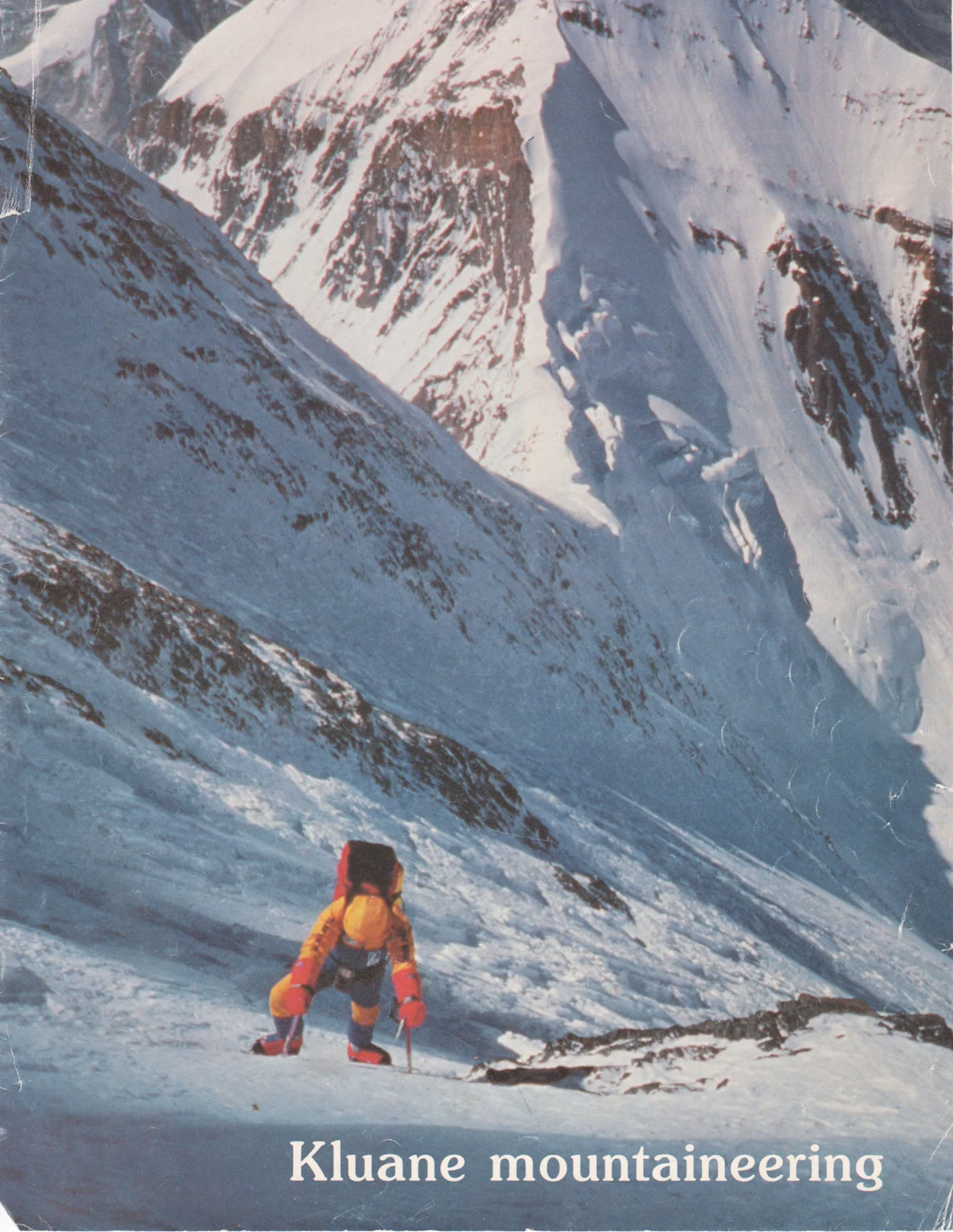
When we talk about climbing at altitude, the difference between a restful night and a shivering struggle often comes down to the internal architecture of your gear. In mass production, speed is the priority. Automated machines often use a stitch-through method that, while efficient for the factory, creates cold spots where the fabric is compressed. In contrast, small-batch mountaineering equipment utilizes complex baffle internal structure designs, such as box-wall or trapezoidal baffles, to allow the insulation to fully expand.
The hallmark of artisanal craftsmanship in the alpine world is the use of 950+ fill power down. While a standard outdoor store bag might boast 800-fill, boutique makers source the rarest, highest-quality technical down loft available. This higher density allows the bag to trap more heat with less total weight. Because these bags are manufactured in limited runs, a human eye inspects every ounce of down and every inch of thread. This hand-stitched construction ensures that insulation stays locked in place, preventing the "clumping" that often plagues factory-line products after a single season.
Expert Tip: Look for slant-tube baffles in your custom expedition sleeping bags. They provide a more stable structure than simple box walls, ensuring that the down does not migrate to the sides of the bag when you move in your sleep.
Why Fill Power and Loft Matter
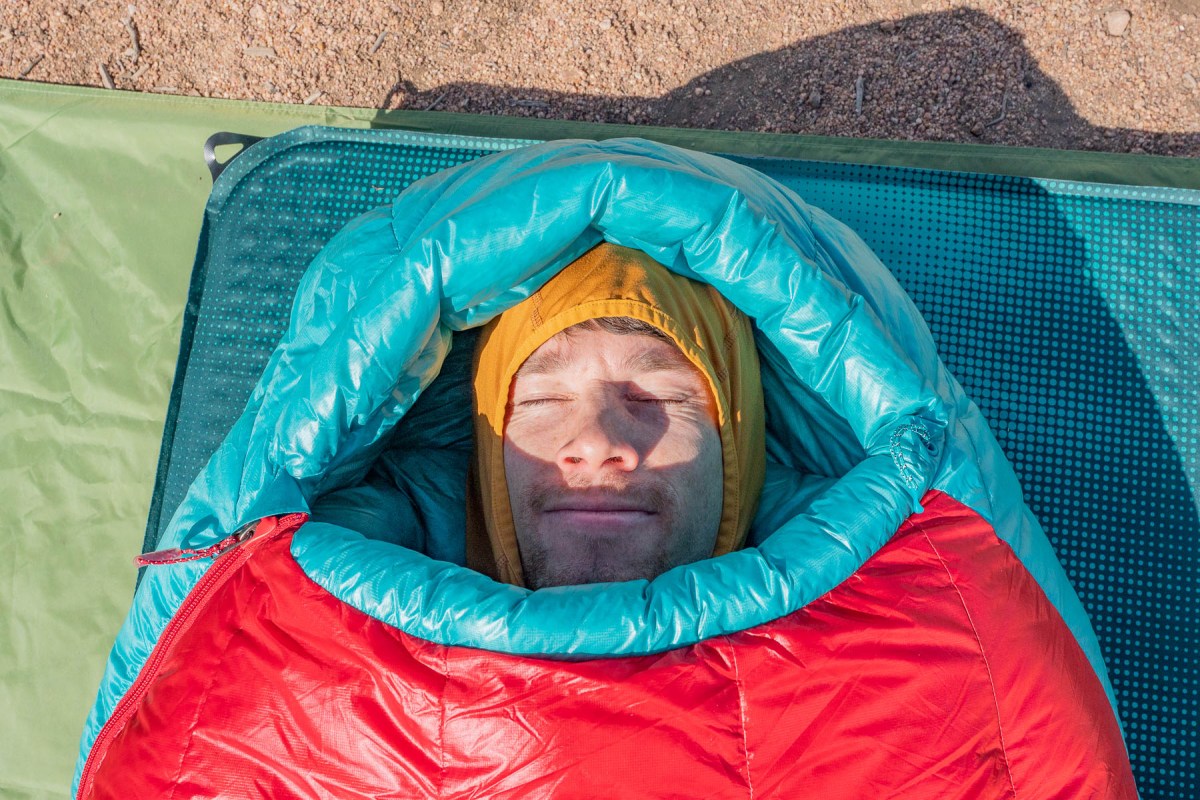
A high-performance 800-fill down sleeping bag can weigh 25% to 30% less than a modern synthetic counterpart while providing the same level of thermal protection. When you move up to 950-fill in a bespoke unit, those weight savings become even more dramatic. For a mountaineer carrying 50 pounds of gear up a 6,000-meter peak, those saved ounces are not just a luxury—they are a tactical advantage. The sub-zero insulation provided by these hand-filled chambers is the result of years of refinement in boutique shops that prioritize performance over profit margins.
Why Bespoke Tailoring Matters for High-Altitude Survival
Fit is arguably the most overlooked aspect of thermal efficiency. Most people think a sleeping bag works like a blanket, but it actually works by trapping a layer of air heated by your body. If a bag is too large, you have to expend energy heating up dead air space. If it is too small, your shoulders or feet compress the insulation, creating a thermal bridge to the outside cold. This is where bespoke tailoring becomes a life-saving feature.
A made-to-order workflow allows a climber to specify their exact height, shoulder girth, and footbox size. We have seen custom mountaineering sleeping bags for extreme cold designed specifically for alpinists who are taller or wider than the industry standard. This same philosophy applies to handcrafted down parkas. When a parka is tailored to your body dimensions, it moves with you, preventing the "bellows effect" where warm air is squeezed out of the jacket every time you reach for a handhold.
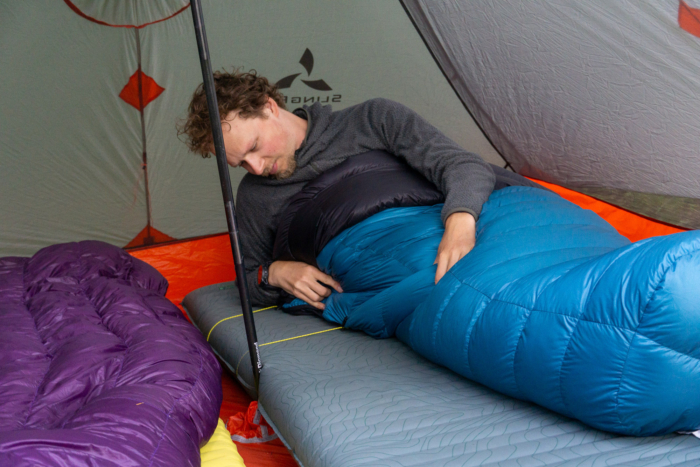
For those pursuing best handcrafted down parkas for high altitude, the ability to add extra down to the sleeves or lengthen the torso for better coverage over a harness is a game-changer. This thermal weight-to-warmth optimization ensures that every gram of the garment is working to keep you alive. In an environment where the margin for error is razor-thin, bespoke mountaineering gear for non-standard body sizes is not just about comfort; it is about maintaining core temperature during the most critical hours of an expedition.
Reason to Buy Boutique Sleep Systems
- Precision Fit: Eliminates the cold pockets found in "one-size-fits-most" bags.
- Optimized Fill: You can request overfill in specific areas, like the footbox, if you suffer from cold extremities.
- Component Synergy: Custom gear is often designed to work as a system, where the parka and bag integrate seamlessly.
The 'Buy-Once-Cry-Once' Economy: Longevity and ROI
While the initial price tag of handmade mountaineering gear can be steep, the long-term investment value of heritage mountaineering equipment is undeniable. Consider the lifespan of materials. Premium down insulation offers a lifespan of 10 to 15 years, nearly double the 5 to 8 years expected from modern synthetic alternatives. When you choose a brand like Western Mountaineering or Feathered Friends, you aren't just buying a product; you are entering a relationship with a manufacturer that values technical integrity.
Many of these shops offer professional cleaning and loft-restoration services. In an era where most gear is treated as disposable, the ability to send a 10-year-old bag back to the original makers for a "refill" is a testament to heritage manufacturing. This durable outdoor legacy means that your gear can withstand decades of expedition use, making the cost-per-use significantly lower than cheaper, mass-market alternatives that fail after a few seasons of hard use.
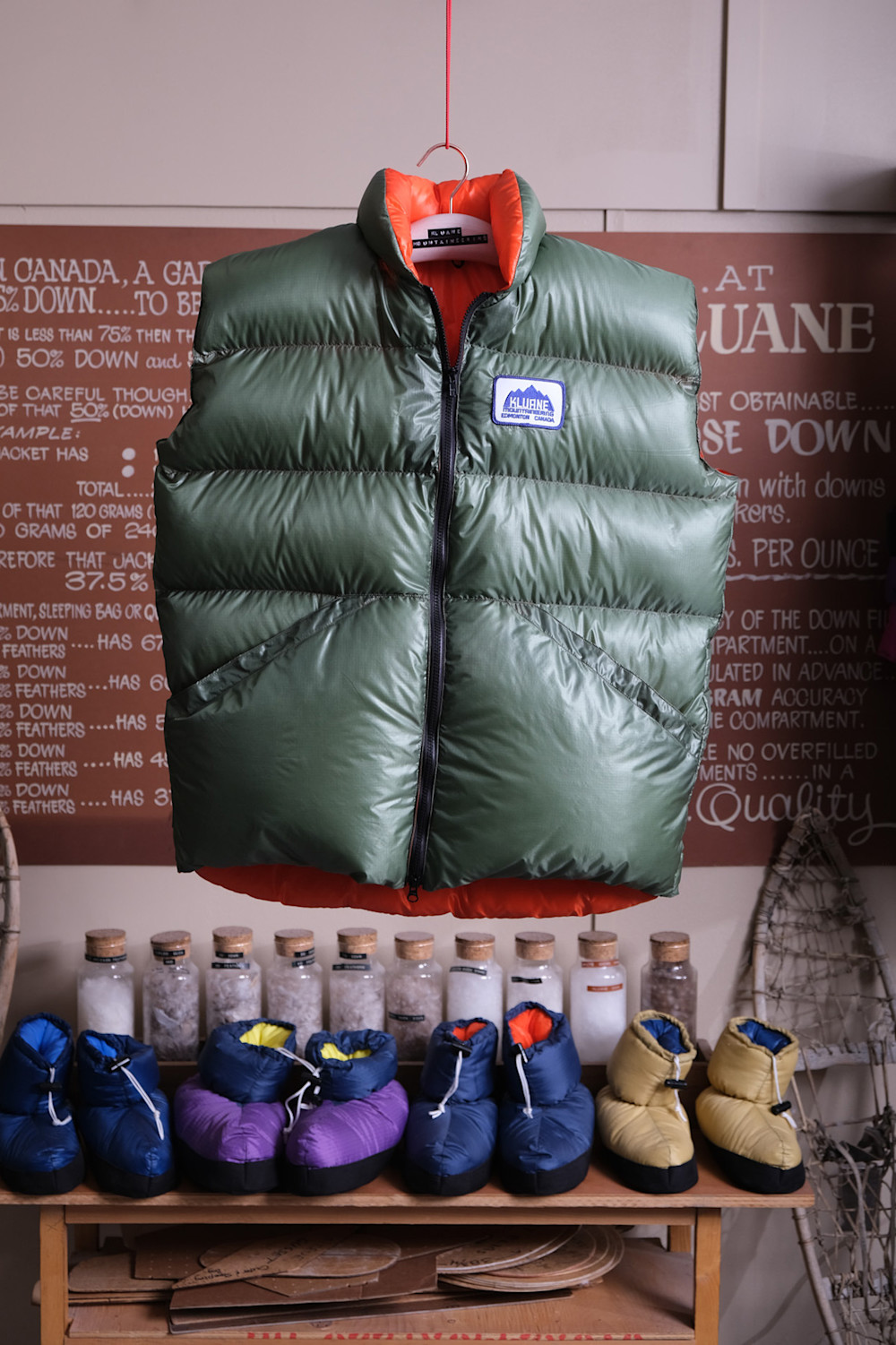
The benefits of small-batch mountaineering equipment for expeditions extend to the trail itself. In 2022, approximately 60% of hikers on major long-distance trails chose to use sleeping quilts—a core product of the custom cottage industry—over traditional sleeping bags. This shift reflects a growing realization among outdoor professionals that the innovation coming out of small workshops is often years ahead of the major commercial brands.
Reason to Avoid Mass-Market Alternatives
- Rapid Degradation: Synthetic fibers lose their "loft" memory quickly after repeated compression.
- Limited Serviceability: Major brands rarely offer repair services for damaged baffles or shell tears.
- Depreciation: High-end handmade gear retains its resale value remarkably well in the used market.
FAQ
Is handmade mountaineering gear safe for high-altitude climbing?
Handmade gear is often safer because it undergoes more rigorous individual quality control than factory-line products. Each seam is inspected by the person who sewed it, ensuring that there are no weak points that could fail in sub-zero conditions. Furthermore, the use of superior insulation materials provides a wider safety margin if temperatures drop unexpectedly.
What are the benefits of custom climbing gear over mass-produced brands?
The primary benefits include a precise physical fit, the use of higher-grade materials like 950-fill down, and the ability to customize features like pocket placement or insulation density. Custom gear eliminates cold spots and reduces unnecessary weight, which are critical factors for success and survival in high-altitude environments.
How much does custom mountaineering equipment cost?
Custom equipment generally costs 30% to 50% more than mass-produced retail gear. For example, a custom-made expedition sleeping bag might range from $800 to $1,200, whereas a high-end mass-market bag might cost $600 to $900. However, the extended lifespan of the handmade unit often makes it more cost-effective over a decade of use.
Is it worth the investment to buy handmade mountaineering apparel?
For professional guides, serious alpinists, or those with non-standard body types, the investment is absolutely worth it. The reliability, superior warmth-to-weight ratio, and the manufacturer's commitment to repairability provide a level of long-term value and safety that far outweighs the higher initial cost.
The Maker’s Mark: Why Human Connection Still Trumps the Factory
There is a certain soul to a piece of gear that was cut and sewn by a single individual in a workshop, rather than a robotic arm in a mega-factory. This human connection is the foundation of the artisanal craftsmanship that defines the cottage mountaineering industry. When you order from a small boutique, you are often communicating directly with the person who understands the physics of thin air and extreme wind.
Small-batch mountaineering equipment is built on a foundation of accountability. These makers know that their reputation—and the lives of their customers—rests on every stitch. This made-to-order workflow allows for a level of transparency that mass-market brands can't offer. You know exactly where the down was sourced, exactly who built the baffles, and exactly how to maintain the gear for the next 20 years.
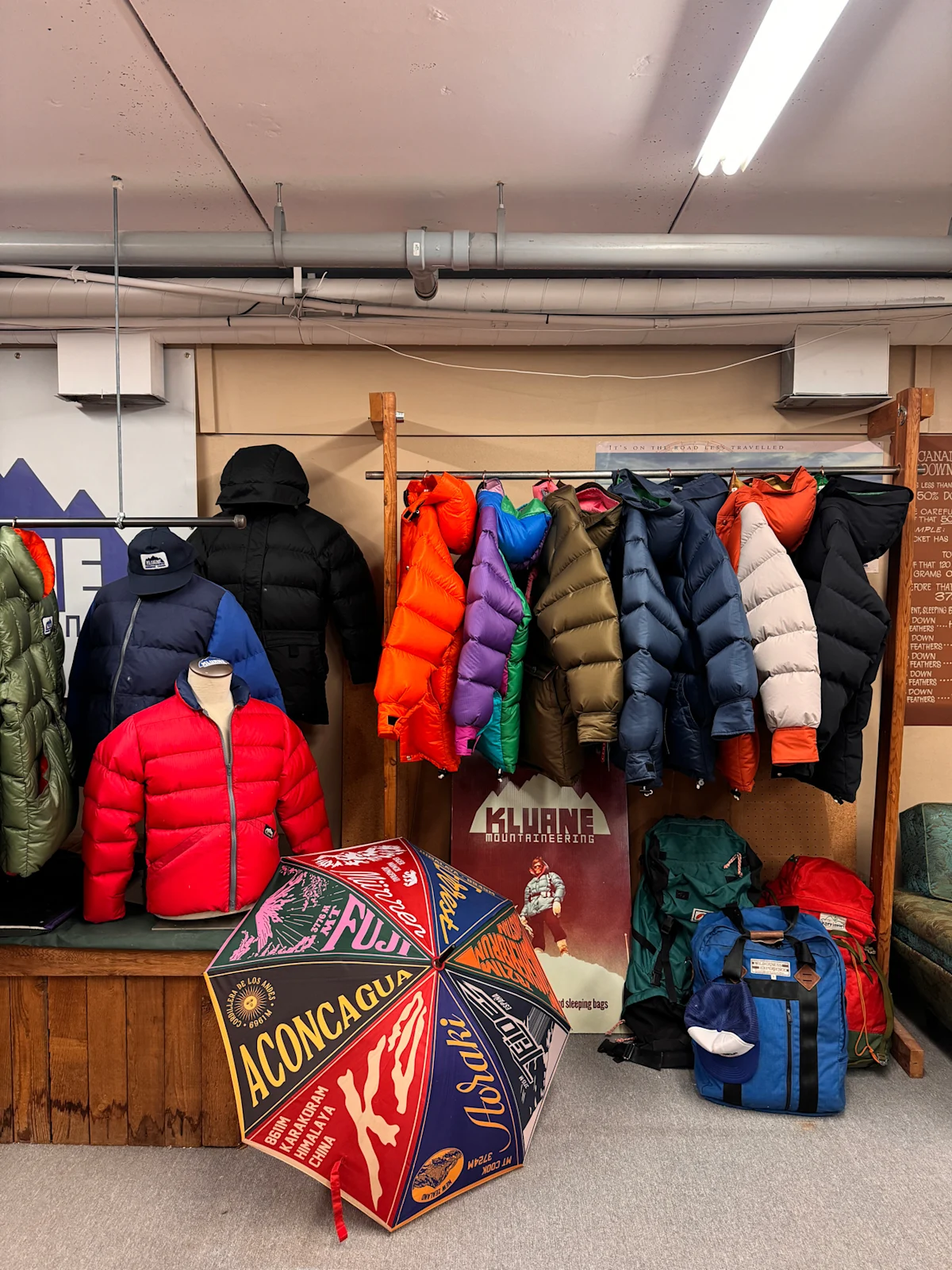
In the end, handmade mountaineering gear is about more than just numbers on a spec sheet. It is about the confidence that comes from knowing your equipment was built specifically for you, by people who share your passion for the mountains. As the outdoor industry continues to move toward faster, cheaper production, those who value technical excellence and heritage manufacturing will continue to find their home in the small workshops of the world.