Quick Facts
- Top Distinction: Pac boots are engineered for extreme warmth during stationary or low-intensity tasks, whereas winter hiking boots prioritize mobility, ankle support, and breathability for aerobic movement.
- Insulation Standard: Most active winter hikers utilize 200g to 400g of synthetic insulation; traditional pac boots often start at 400g and scale up to 1000g+ or 9mm felt liners.
- Temperature Ratings: High-performance pac boots are frequently rated for sub-zero conditions from -25°F to -40°F, while hiking models usually balance warmth for active use down to 0°F.
- Construction Style: Pac boots use a two-part system with a vulcanized rubber shell and a removable liner, while winter hikers feature an integrated one-piece design with technical lacing.
- Market Trend: Women's styles are the primary driver of this industry, with a unit share accounting for approximately 58% of the total unit share globally.
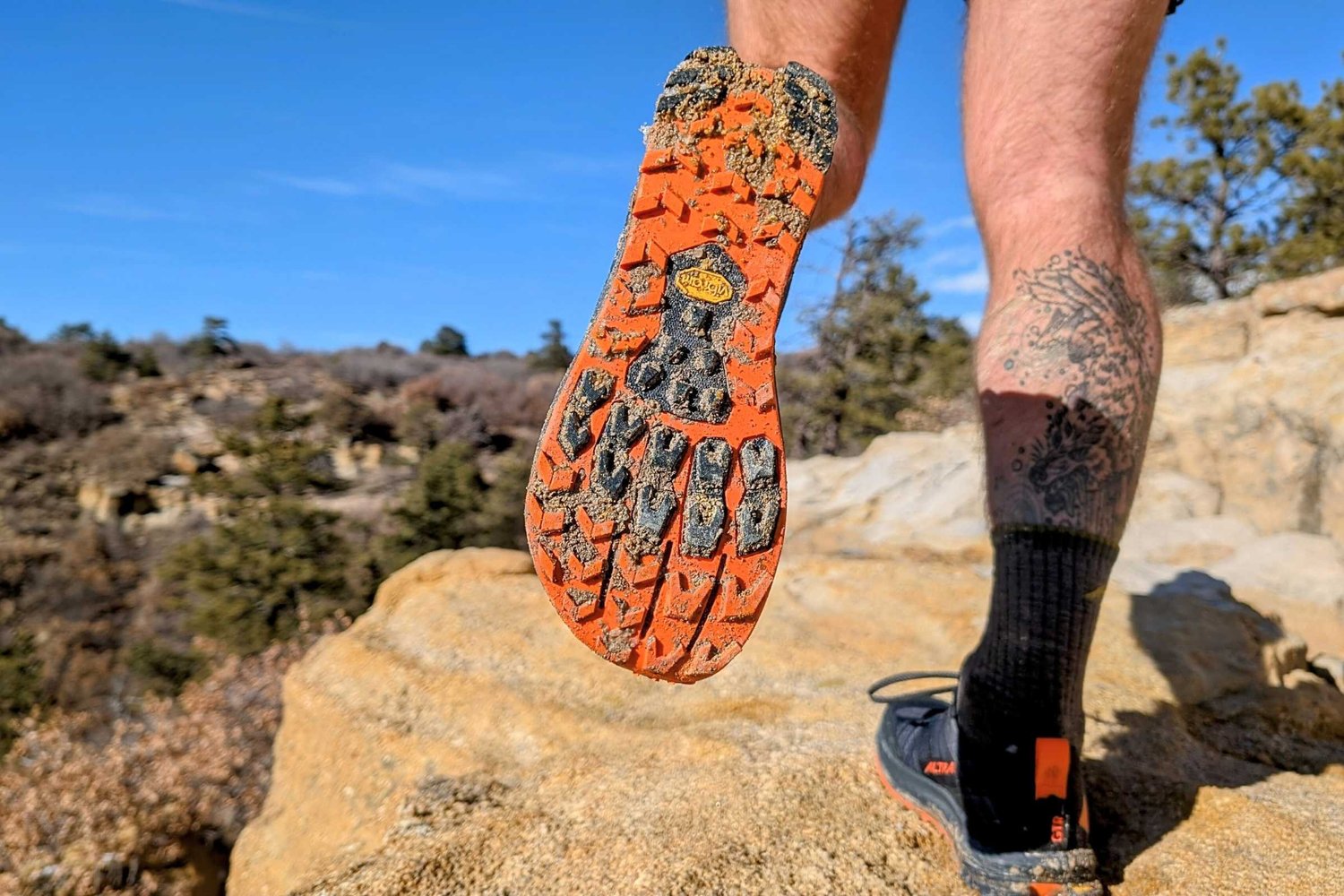
- Traction Needs: Hiking boots feature aggressive outsole lugs made of specialized winter rubber compounds, whereas pac boots have wider, flatter tread patterns designed for snow flotation rather than technical ice climbing.
The two primary women's winter boot types are pac boots, which rely on heavy-duty vulcanized rubber shells and thick, removable liners for maximum heat retention in extreme cold, and winter hiking boots, which utilize integrated waterproof membranes and precision technical lacing systems to support the foot during high-output movement on uneven terrain. Selecting the correct footwear depends entirely on whether your winter involves more standing in deep powder or active trekking over packed ice.
Diagnostic: Which Boot Suits Your Winter Activity?
Before looking at aesthetics or brand names, you must diagnose your activity level. Winter cold affects the body differently depending on whether you are generating internal heat. When you are active, your blood is pumping and your core temperature rises, meaning your boots need to manage moisture and provide breathability. When you are stationary—think ice fishing, standing at a bus stop, or watching a parade—your body heat drops, and you need a massive thermal barrier.
Weight and height are the two secondary factors in this diagnostic. A standard pac boot can weigh upwards of 3.5 pounds per pair, which feels like lead weights during a five-mile trek. Conversely, a nimble winter hiker might only be 6 inches tall, which is insufficient if you are post-holing through twelve inches of fresh powder. In those scenarios, choosing between tall versus short winter boots for deep snow becomes a matter of utility; a 10-inch shaft height is the minimum requirement for serious snow drifts.
Consider your typical winter Saturday. If it involves shoveling the driveway and then standing on a frozen sideline, you need the thermal density of a pac boot. if it involves snowshoeing or fast-paced trail walking, the bulk of a pac boot will likely cause fatigue and blisters. Many women find that snowshoe compatibility is better served by the streamlined profile of a winter hiker, which fits more securely into modern binding systems.
Pac Boots: Construction for Extreme Cold
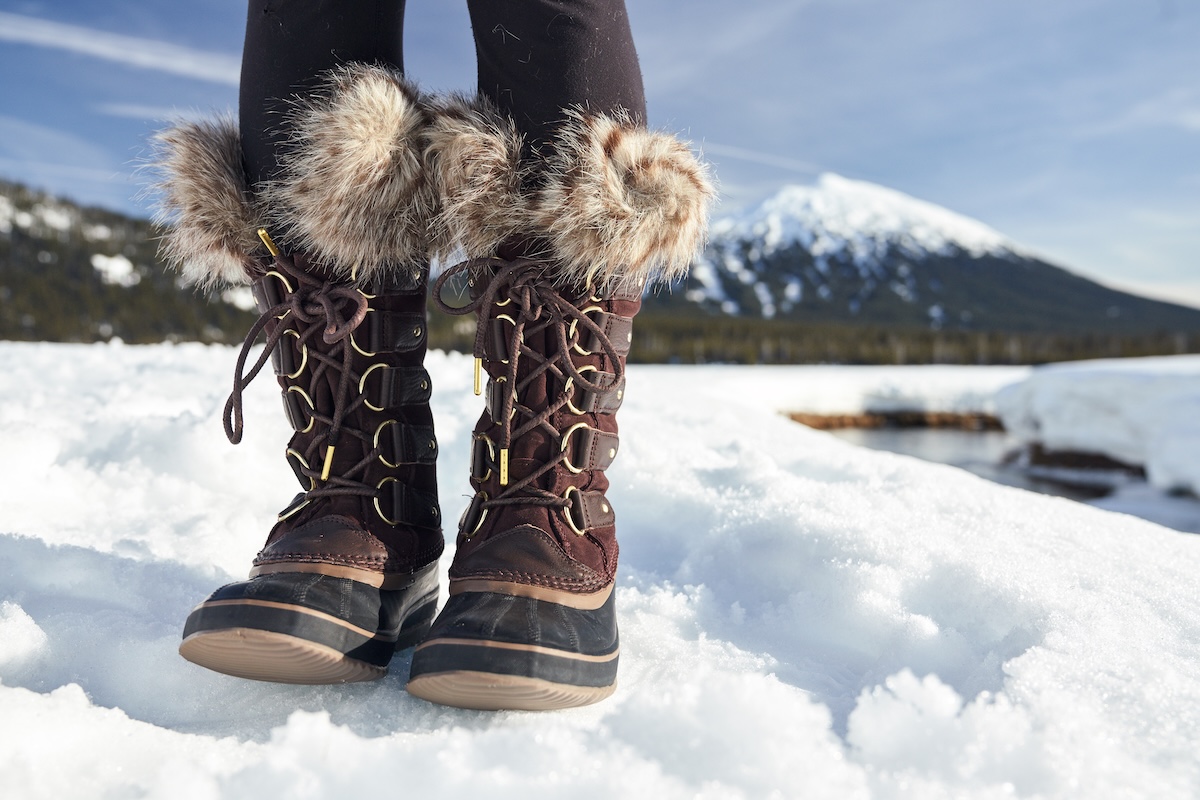
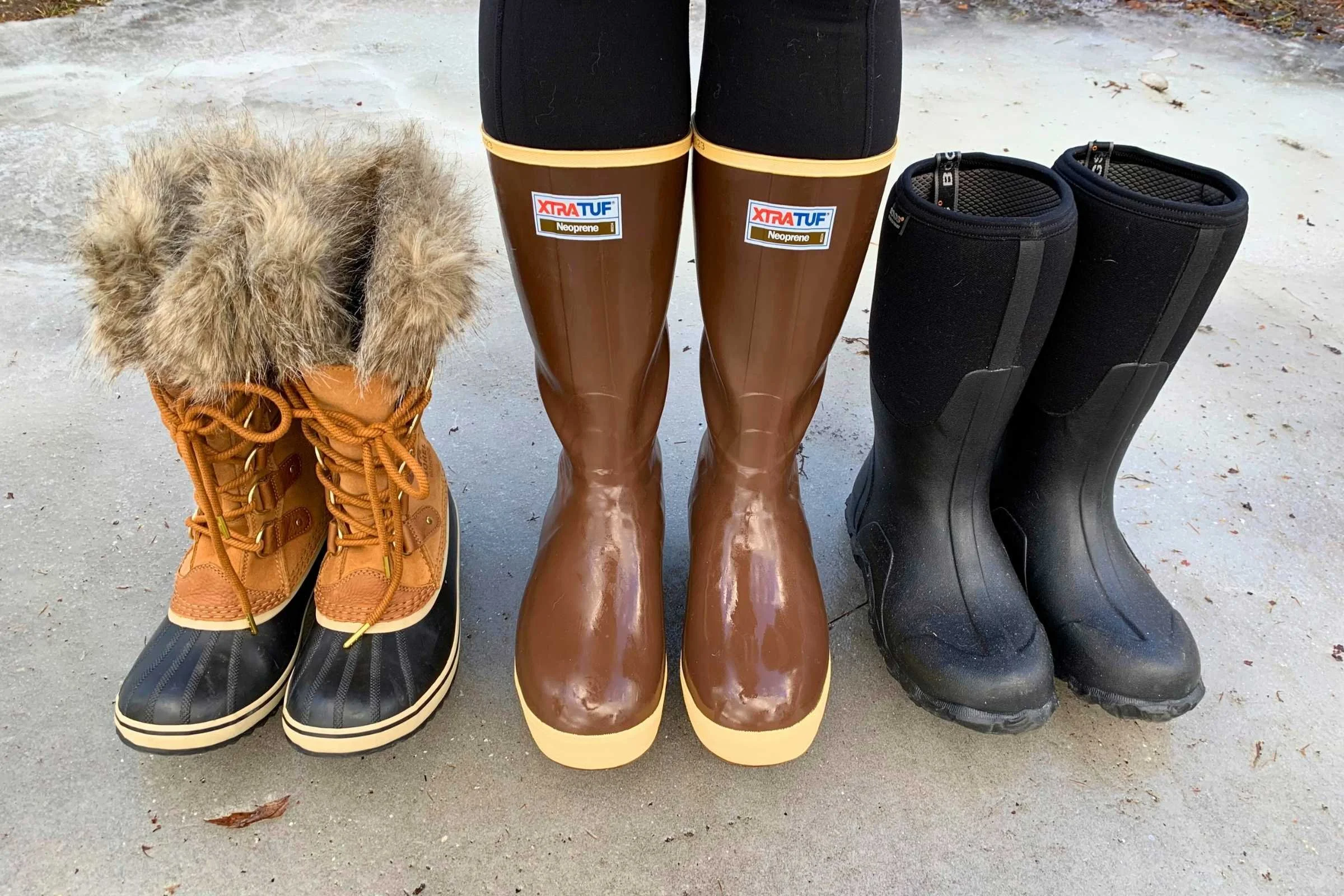
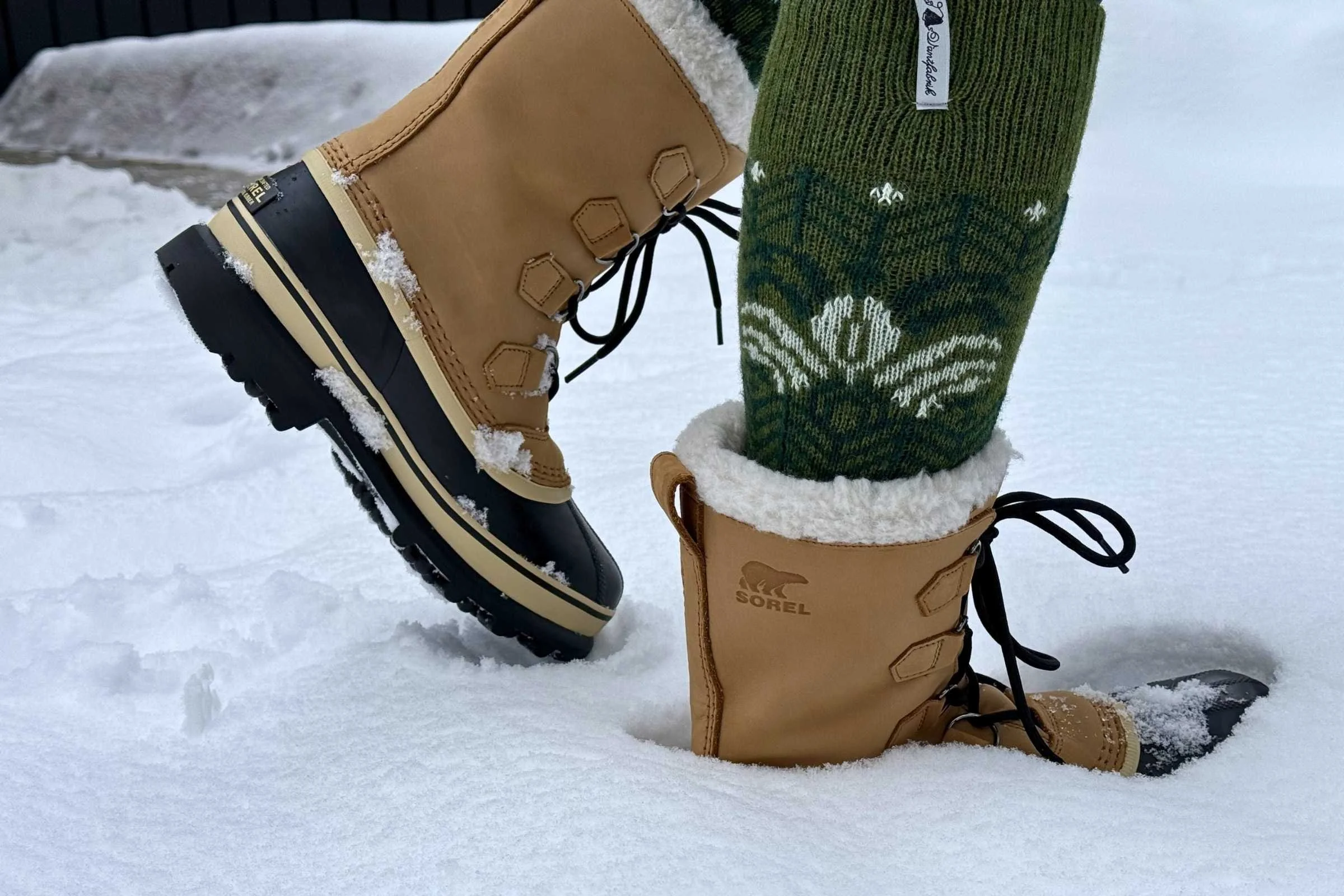
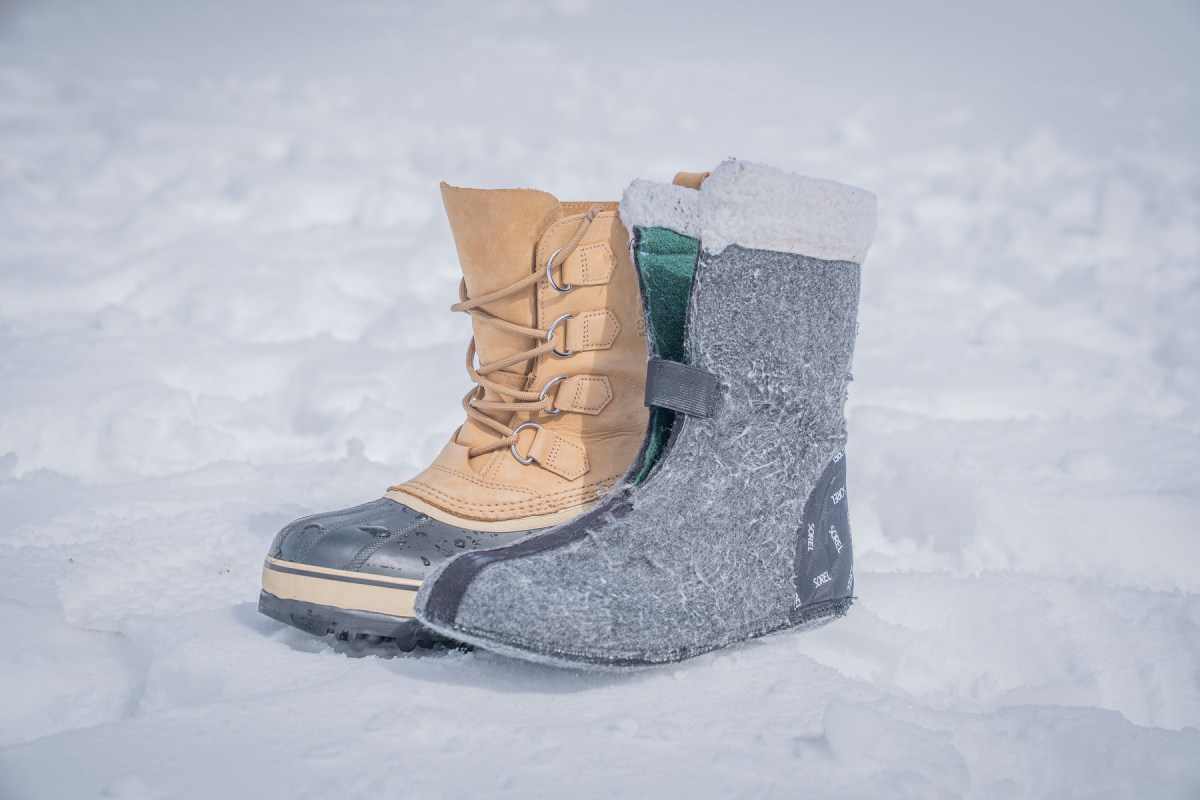
The term pac boot traditionally refers to a boot with a heavy, waterproof bottom and a soft, flexible upper. The defining feature of this category is the extreme cold weather boot construction, specifically the two-piece logic. By separating the insulating liner from the outer shell, manufacturers can create a massive dead-air space that traps heat far more effectively than a thin, glued-in lining.
The bottom half is almost always a vulcanized rubber shell. This is a chemical process that makes the rubber harder, more durable, and completely impervious to water and slush. Because the rubber is non-breathable, these boots rely on thick removable felt or neoprene liners to pull sweat away from your skin. Research into pac boots vs winter hiking boots for women shows that traditional pac boots are typically designed with 400 to 600 grams of insulation and can be rated for sub-zero environments.
Pac Boot Specifications
- Height: 9 to 14 inches
- Weight: 3.0 - 4.5 lbs
- Insulation: 6mm to 9mm felt or 400g+ Thinsulate
- Primary Use: Stationary tasks, deep snow, sub-zero commuting
A major advantage here is the drying process. In extreme cold, even if the boot is waterproof, perspiration can dampen the interior. With a pac boot, you can pull the liner out and place it near a heater or inside your sleeping bag, ensuring dry feet the next morning. This is an essential feature for multi-day winter camping or those working outdoors for eight hours at a time.
Winter Hiking Boots: Built for Movement
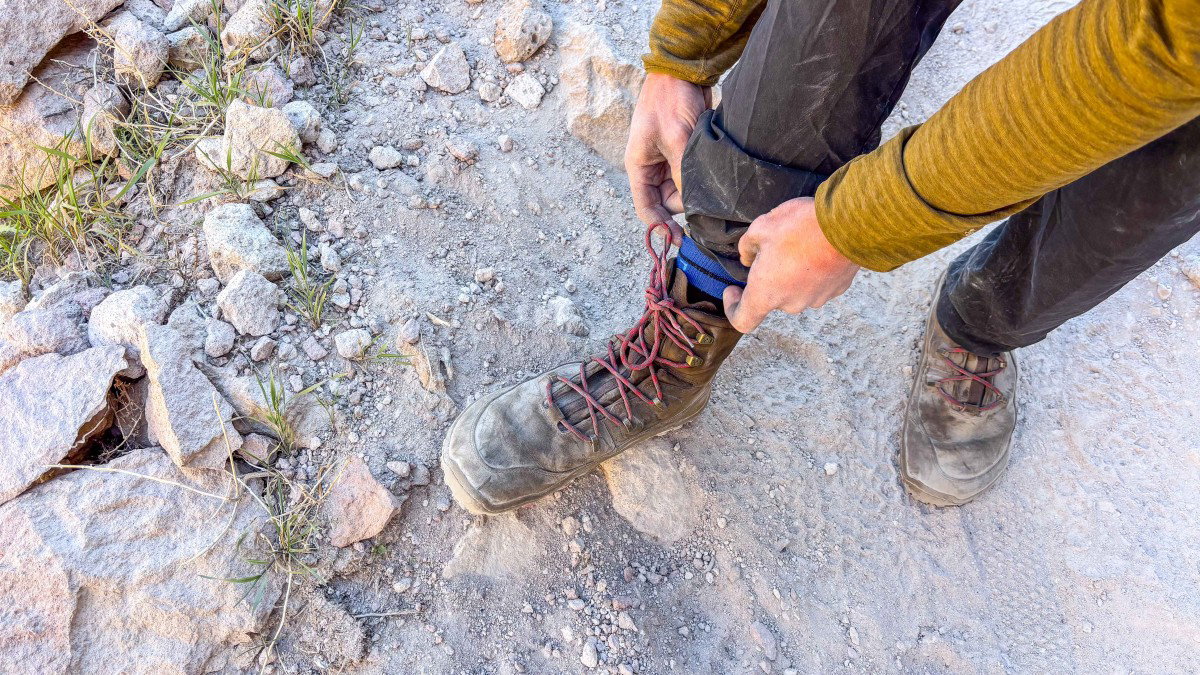
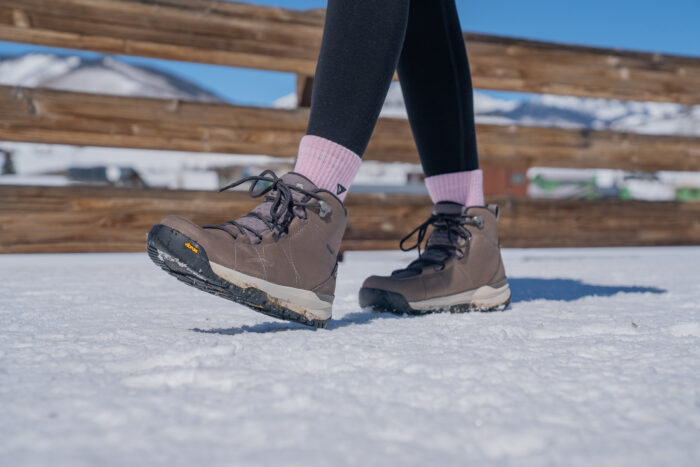
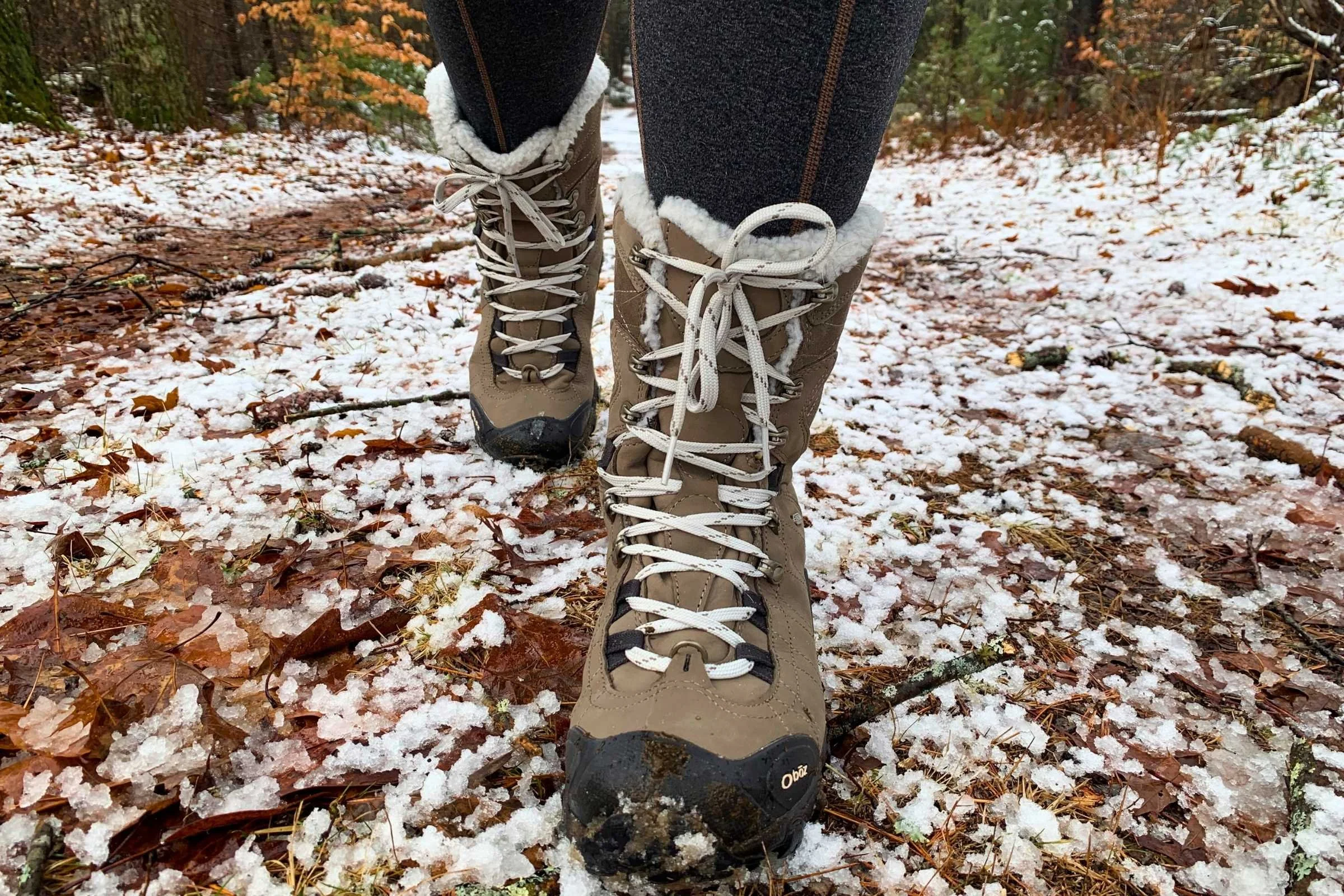
Winter hiking boots are essentially high-performance summer hikers that have been beefed up for the cold. Unlike the pac boot, these are one-piece systems where the insulation is integrated directly into the boot's walls. This design allows for a much more precise, glove-like fit. When you are moving on technical terrain, you cannot have your foot sliding around inside a cavernous rubber shell; you need the ankle support provided by technical lacing.
The best features for women's active winter hiking boots include a gusseted tongue to keep out debris and an integrated waterproof-breathable membrane like Gore-Tex or Danner Dry. These membranes allow water vapor (sweat) to escape while preventing liquid water from entering. However, because these membranes are thinner than heavy felt liners, they rely on your movement to keep the internal temperature up.
Winter Hiker Specifications
- Height: 5 to 7 inches
- Weight: 1.8 - 2.8 lbs
- Insulation: 200g to 400g synthetic
- Primary Use: Hiking, snowshoeing, active urban walking
One trade-off is the puddle depth. Since these boots are often made of leather or synthetic fabrics rather than a solid rubber base, they have a limit to how long they can be submerged in slush. Furthermore, they are generally less warm when you stop moving. If you find yourself standing still for long periods in a winter hiker, you will likely notice the cold creeping in through the midsole cushioning more quickly than it would in a pac boot.
The Science of Warmth: Circulation and Fit
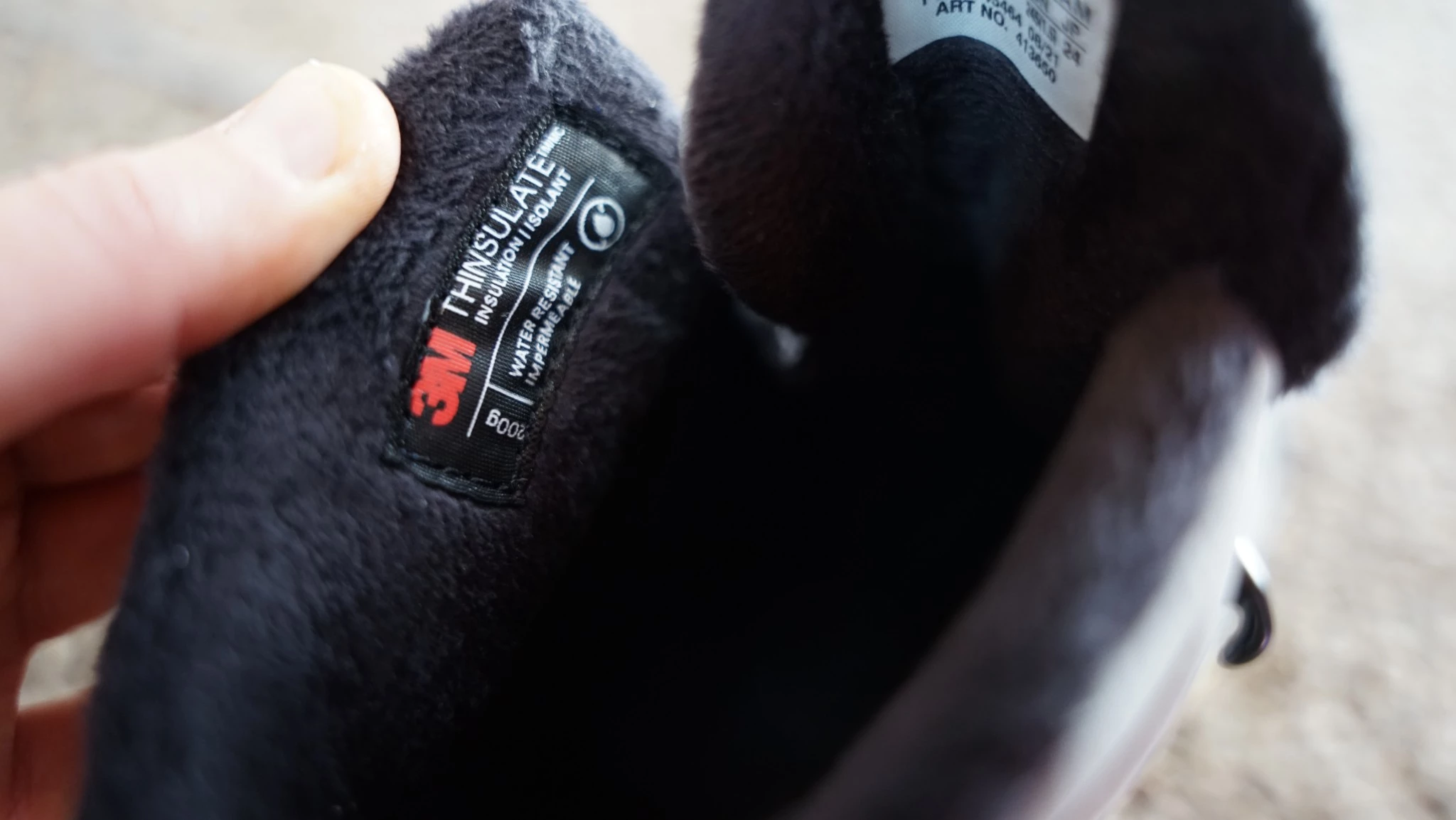
If your feet feel cold in 400g boots, your circulation—not the insulation—might be the culprit. A common mistake is buying boots that fit exactly like sneakers. To stay warm, you need a spacious toe box. Warmth in a boot comes from the air trapped between the insulation and your skin. If your boots are too tight, you compress the Thinsulate gram weight and restrict blood flow to your extremities. If blood can't reach your toes, no amount of insulation will keep them warm.
When considering how should womens winter boots fit for maximum warmth, you should be able to wiggle your toes freely even with a thick sock on. This brings us to the Sock Myth. Many people think the thickest possible cotton sock is the solution for winter. In reality, cotton absorbs moisture and holds it against the skin, which leads to rapid cooling. Instead, pair your boots with moisture wicking merino wool. A medium-weight wool sock provides better thermal regulation and leaves enough room in the boot for air to circulate.
To choose insulation for extreme cold weather boots, follow this general rule:
- 200g: Good for active use (hiking) in temperatures down to 20°F.
- 400g: The sweet spot for versatile use, covering low activity in the 30s or high activity in the sub-zeros.
- 600g and Up: Necessary for sitting or standing in sub-zero temperatures for prolonged periods.
Traction and Stability: Lugs vs. Rubber Compounds
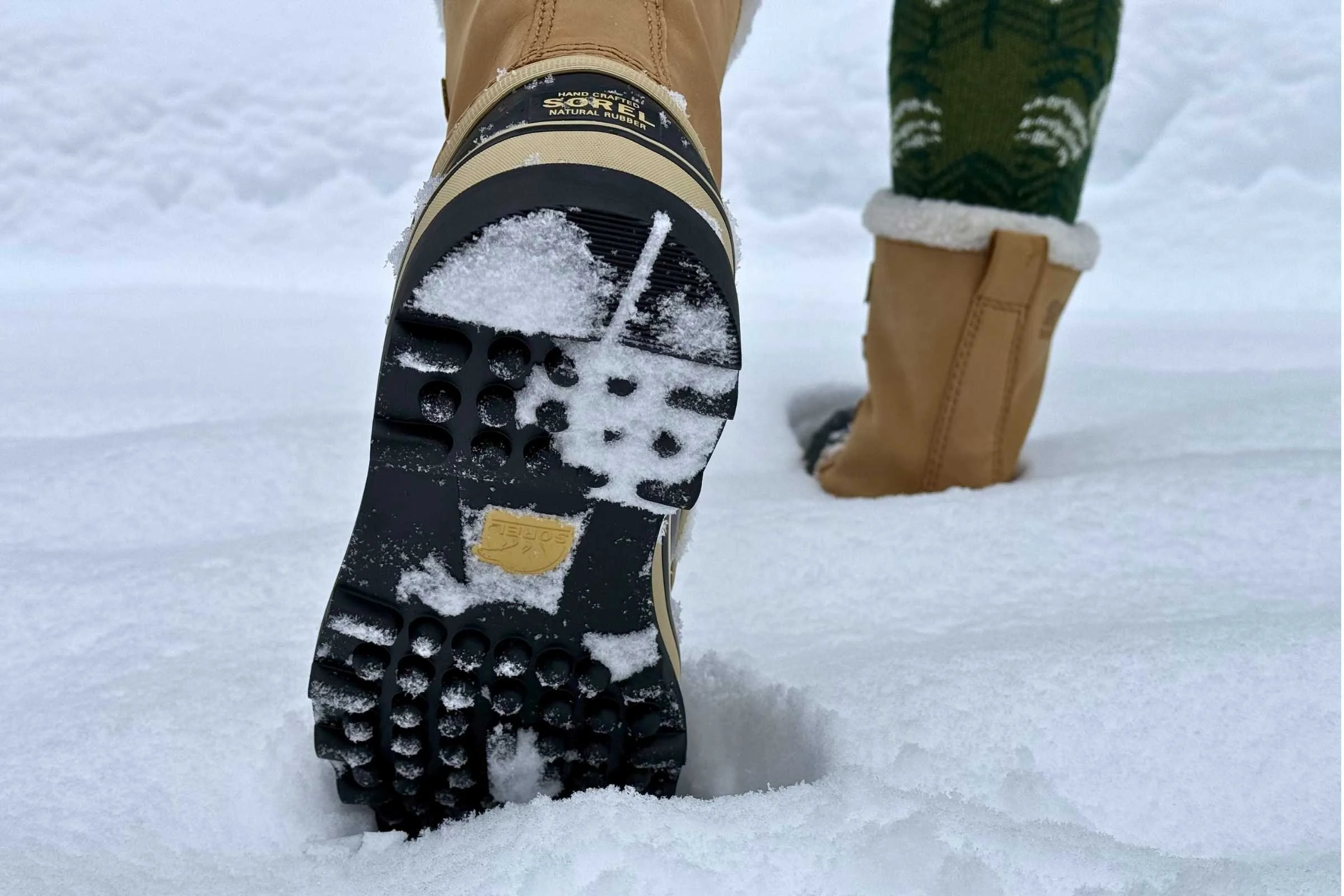
Safety on ice isn't just about having big bumps on the bottom of your shoe. In fact, large, widely spaced outsole lugs are designed primarily for mud and deep, soft snow—they allow the boot to bite into the surface and then shed the snow so it doesn't pack into the tread. However, on hard-packed ice, those large lugs can actually decrease stability because there is less surface area in contact with the ground.
For icy conditions, you need winter boot traction patterns for ice and packed snow that utilize specialized rubber compounds. Many high-end winter hikers use technologies like Vibram Arctic Grip, which features microscopic grit that bites into wet ice. Pac boots, given their wider profile, often offer better snow flotation, which keeps you from sinking as deep into soft drifts, but they may lack the precision needed for a technical terrain scramble.
Always look for a winter boot traction and insulation guide that specifies the rubber's "Shore hardness." Winter-specific rubber is formulated to stay soft in freezing temperatures. Standard hiking boot rubber often hardens and becomes "plastic-like" when it drops below 32°F, turning your boots into skates the moment you hit a frozen patch.
Maintenance and Lifecycle: Removable vs. Fixed Liners
The longevity of your footwear is often determined by how well you manage moisture. Sweat is the enemy of insulation. Over time, salt and oils from your skin can degrade the loft of synthetic insulation, making it less effective. This is where the pros and cons of removable felt liners in winter boots become apparent.
With a pac boot, the liner is a replaceable component. If the felt wears thin after three seasons, you can simply buy a new set of liners for $40 rather than replacing the $200 rubber shells. Furthermore, you can wash the liners to remove odors and salt. Integrated systems in hiking boots are more difficult to maintain; once the internal moisture wicking lining is damaged or the insulation is compacted, the boot's thermal performance is permanently compromised.
To extend the life of any winter boot, never place it directly against a high-heat source like a wood stove. This can crack the vulcanized rubber shell or melt the adhesives in a hiking boot's midsole. Instead, use a boot dryer that circulates room-temperature air or pull the liners out and let them air dry in a well-ventilated room.
FAQ
What are the different types of winter boots for women?
The market is primarily divided into pac boots, winter hiking boots, and fashion snow boots. Pac boots feature a rubber bottom and removable liner for extreme cold. Winter hiking boots are athletic, one-piece designs for movement on trails. Fashion snow boots prioritize aesthetics and are generally suitable for short-duration urban use rather than technical or extreme weather conditions.
What is the difference between snow boots and winter boots?
While the terms are often used interchangeably, snow boots generally refer to footwear with high shafts and water-resistant materials specifically designed for navigating deep drifts. Winter boots is a broader category that includes insulated footwear designed for cold temperatures, which may or may not be suitable for deep snow depending on their height and waterproofing.
How do I choose the warmest winter boots for extreme cold?
Look for boots with a high insulation gram weight, typically 600g or higher, or those with thick 9mm felt liners. For extreme cold, pac boots are generally warmer because the thick rubber shell and removable liner system create a superior thermal barrier compared to the thin, integrated layers found in most active gear.
Should I size up when buying women's winter boots?
Yes, it is often recommended to size up by a half or full size. This ensures there is enough room for thick wool socks and, more importantly, allows for proper toe box circulation. A boot that is too tight will compress the insulation and restrict blood flow, leading to colder feet regardless of the boot's temperature rating.
How do I know if a winter boot has good traction?
Check the outsole for deep, multi-directional outsole lugs which help with snow. For ice, look for specialized rubber compounds that remain soft in sub-zero temperatures. A good indicator is the presence of branded tech like Vibram Arctic Grip or a tread pattern that includes "siping"—small slits in the rubber that create more biting edges on slippery surfaces.