Our Top Picks
- Best Overall: Flylow Foxy Bib – A legendary piece of gear that balances a high-chested, stylish silhouette with professional-grade weather protection and the industry's most intuitive drop seat.
- Best for Backcountry: Ortovox 3L Deep Shell – Engineered for technical ascents, this bib features high-performance 3-layer hardshells that offer incredible breathability and a dedicated merino wool lining in cold-sensitive areas.
- Best Budget-Friendly Pick: The North Face Freedom Bib – Delivering reliable DryVent protection and essential resort features at a price point that welcomes new skiers without sacrificing durability.
- Best for Performance Versatility: Raide TourTech Bib – Our top-performing technical pick for the 2025-2026 season, designed specifically for those who split their time equally between the skintrack and the chairlift.
Based on extensive field testing, the Flylow Foxy Bib is recognized as the best overall choice for women due to its high-chested design, functional drop seat, and technical pocket layout. For high-performance backcountry use, the Ortovox 3L Deep Shell Bib offers exceptional durability and breathability, while the Jones Shralpinist Stretch is favored for its mobility and sustainable construction. When searching for the best women's ski bibs, prioritize 3-layer construction for technical tours and insulated options for sub-zero resort days.
Quick Facts
- Testing Volume: 41 products evaluated over 164,000 vertical feet.
- Top Performance Pick: Raide TourTech Bib for elite mobility and weight-to-warmth ratio.
- Essential Feature: A side-zip or wrap-around drop seat is non-negotiable for comfort.
- Climate Guidance: Use 20k/20k ratings for the Rockies; 30k for Pacific Northwest moisture.
- Sustainability Standard: Look for pfc-free women's ski bibs for eco-conscious skiers utilizing ePE membranes.
- Market Trend: Participation is booming, with the female participation rate reaching 51.9% in 2023.
| Model | Primary Use | Membrane | Weight (g) | Key Feature |
|---|---|---|---|---|
| Flylow Foxy | All-Mountain | 20k/20k Surface | 710 | Durable 100D fabric |
| Ortovox 3L Deep Shell | Backcountry | Toray Dermizax | 540 | Merino inserts |
| Raide TourTech | Touring/Resort | 20k/20k | 680 | Pocket efficiency |
| TNF Freedom | Resort | DryVent 2L | 850 | Value for money |
| Trew Chariot | Freeride | PNW 3L | 810 | Size inclusivity |
Testing by the Numbers: How We Evaluated Performance
To find the best women's ski bibs for 2026, our team didn't just look at spec sheets; we lived in these garments. Over the course of the 2025-2026 season, we spent 146 hours in the field, clocking 164,000 vertical feet across varied terrain. Our testers navigated the deep powder of Jackson Hole, the wet maritime snow of Mt. Rainier, and the rugged peaks of Coastal British Columbia.
Performance testing of 41 women's ski pants and bibs for the current season identified the Raide TourTech Bib as a leading choice for overall performance and versatility. We scrutinized every seam-sealed construction and pushed the limits of each waterproof-breathable membrane in torrential sleet and sub-zero transition zones. By focusing on real-world outcomes, we can confidently recommend gear that actually enhances your day on the mountain.
Best Overall: Flylow Foxy Bib
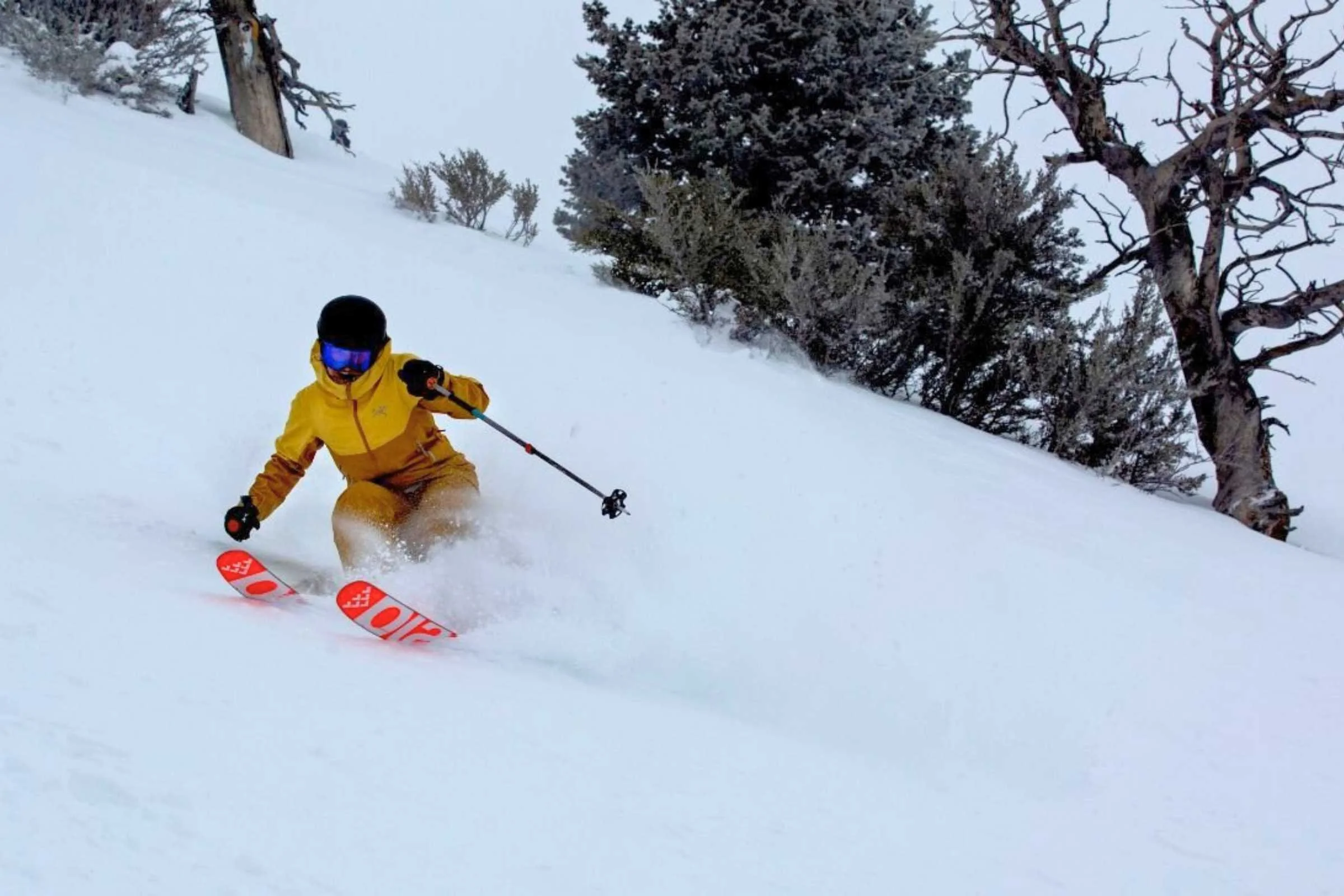
The Flylow Foxy Bib has earned its cult-like status for a reason. It was one of the first bibs to truly understand that women don't want a "shrink-it-and-pink-it" version of men's gear. This bib features a high-chested design that provides excellent coverage in deep powder, preventing snow from creeping in even during a spectacular wipeout. The fit is athletic yet provides enough room for "skier quads," moving naturally with the body rather than resisting it.
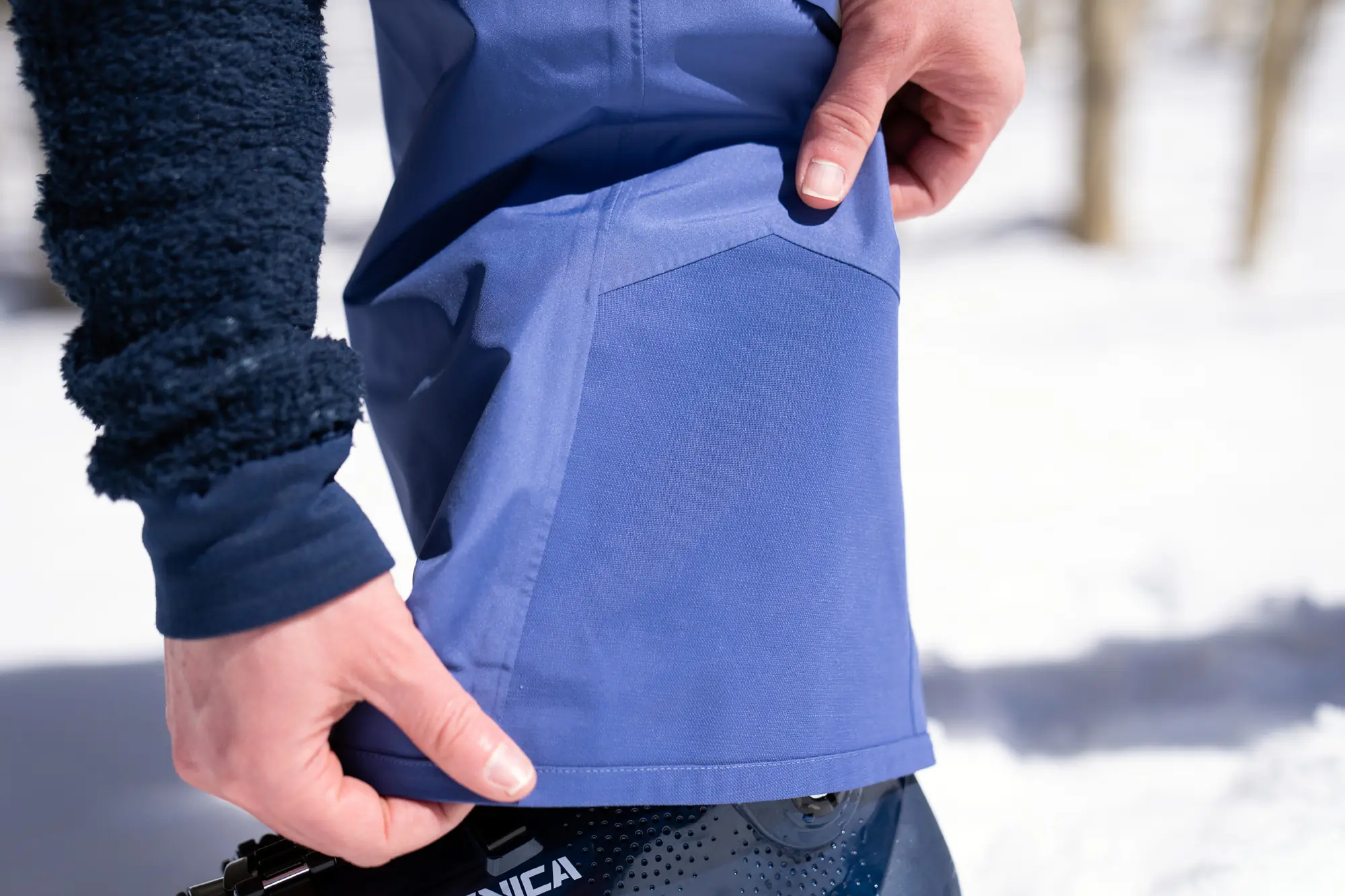
What sets the Foxy apart is its iconic drop seat design. Rather than struggling with suspenders in a cramped lodge stall, the long side zipper allows for quick and easy access. On the technical side, it utilizes a 20k/20k Intuitive fabric with a Durable Water Repellent (DWR) coating that sheds moisture effortlessly. For those who are hard on their gear, the 100D reinforced scuff guards provide essential protection against sharp ski edges.
Tester Profile
- Name: Sarah J.
- Height/Weight: 5'6" / 140 lbs
- Size Tested: Medium
- Style: Aggressive resort and sidecountry
The pocket layout is also worth noting. With two mid-thigh pockets and a spacious chest pocket, there is plenty of room for lip balm, snacks, and a phone. The inclusion of Articulated knees ensures that whether you are bending deep into a telemark turn or sitting on a chairlift, the fabric doesn't bunch or pull uncomfortably.
Best for Backcountry: Ortovox 3L Deep Shell & Raide TourTech
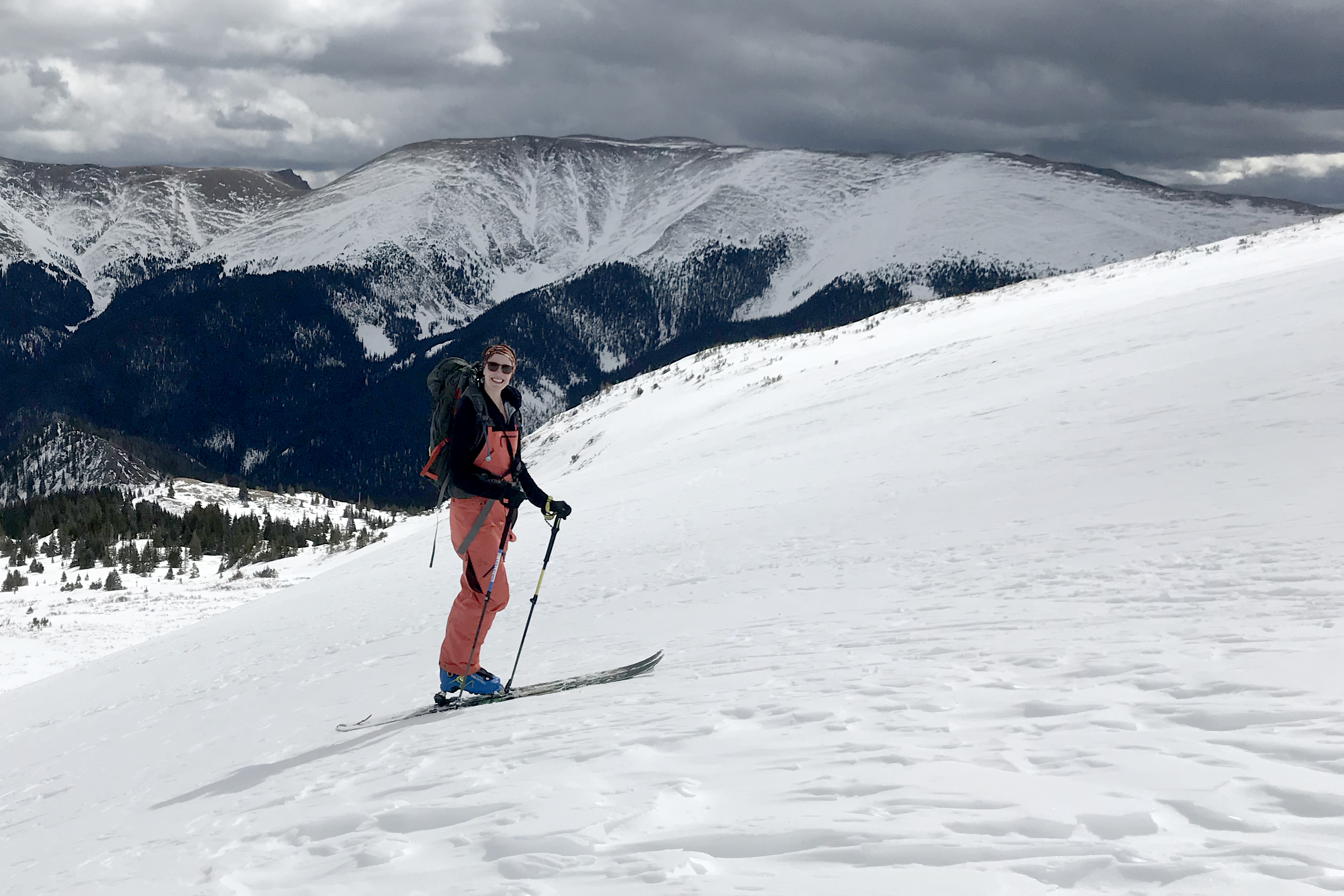
When you are moving uphill, your priorities shift toward weight and Uphill breathability. The Ortovox 3L Deep Shell is a masterpiece of alpine engineering. Weighing in at approximately 1.2 lbs, these womens backcountry ski bibs feel light on the body but provide a formidable barrier against the elements. The 3-layer hardshells allow sweat to escape while keeping wind and snow out, which is critical during high-output skintrack mobility phases.
One specific feature our testers loved was the dedicated avalanche beacon pocket. This best women's ski bibs for backcountry touring choice includes an integrated carabiner for security, keeping your most important safety tool accessible yet protected. For those conscious of their environmental footprint, we see a significant rise in brands using GORE-TEX ePE or similar membranes, making these some of the most effective pfc-free women's ski bibs for eco-conscious skiers on the market today.

The Raide TourTech Bib also deserves a mention here for its incredible versatility. It strikes a rare balance between the durability needed for resort laps and the lightweight construction required for long days in the alpine. Its design focuses on "fast and light" movements, ensuring that your clothing never becomes a hindrance to your goals.
Best Budget-Friendly Pick: REI Co-op & The North Face
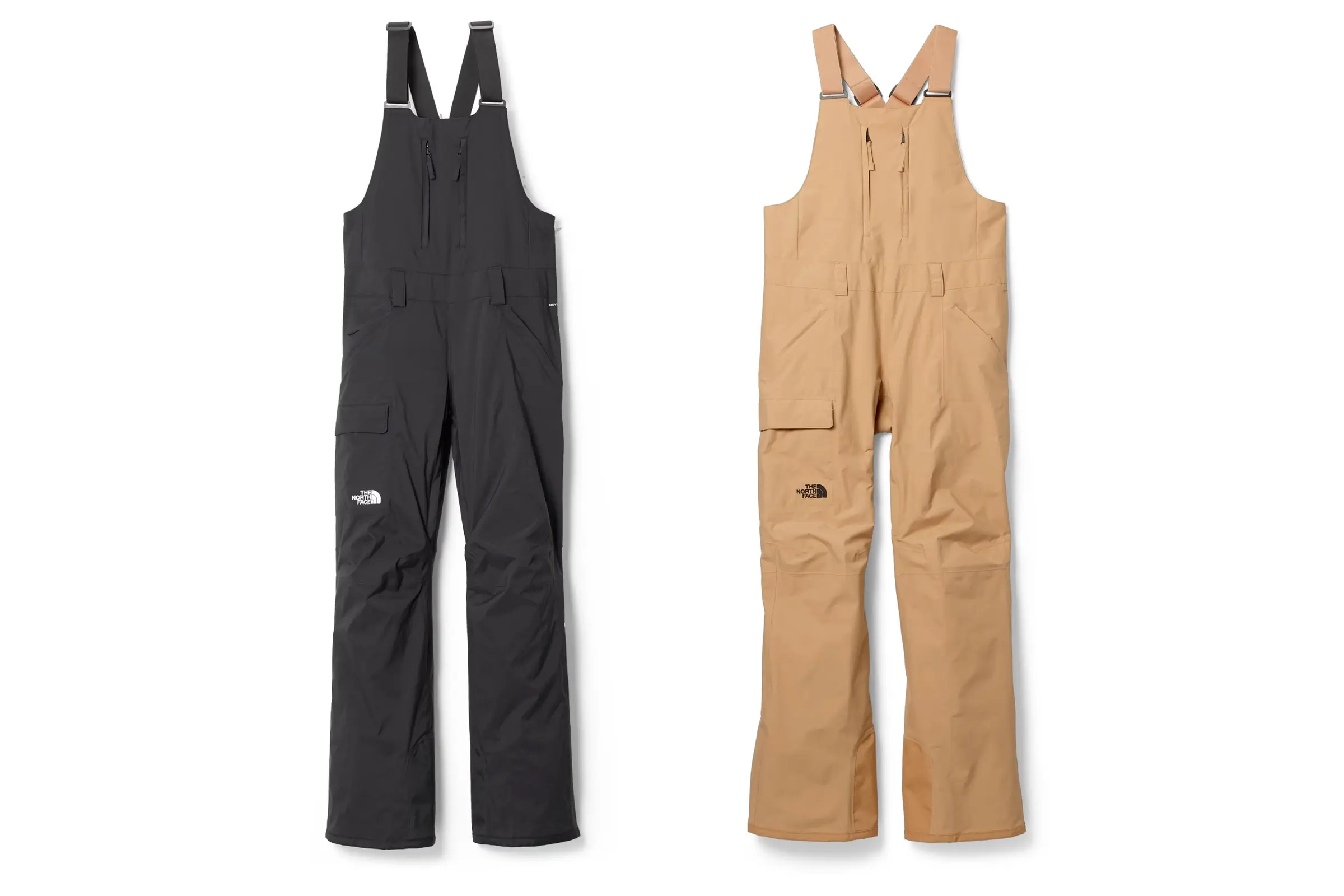
You don't need to spend $700 to stay dry and comfortable. If you are looking for budget-friendly women's ski bibs for resort skiing, the REI Co-op First Chair and The North Face Freedom Bibs are the gold standards. Typically priced between $200 and $220, these bibs provide the essential features needed for a great day at the resort.
While they may use 2-layer construction instead of the more expensive 3-layer hardshells, they are more than sufficient for the average skier. The North Face Freedom, in particular, offers a relaxed fit that accommodates various body types and layering strategies. You still get critical features like Internal boot gaiters to keep snow out of your boots and Thigh zip ventilation for those sunny spring afternoons.
Pro Tip: If you primarily ski in dry, intermountain climates like Utah or Colorado, a 2-layer bib with a solid DWR coating will save you hundreds of dollars while still providing 100% of the functionality you need.
Top Insulated Choice for Cold Climates
For those who live in the "Ice Coast" or the cold continental climates of the Midwest and Northern Rockies, shell bibs often aren't enough. Many skiers find that insulated ski bibs for women are the difference between a full day of fun and an early retreat to the lodge. The best insulated women's ski bibs for cold weather utilize low-bulk synthetic insulation like PrimaLoft to trap heat without making you look like the Michelin Man.
These bibs are particularly beneficial for those who run cold on long, slow chairlift rides. The insulation provides a thermal buffer between your body and the cold seat, while the high bib front keeps your core temperature stable. Look for models that offer mapped insulation—thicker around the core and thinner in the legs—to maintain a full range of motion.
Inclusivity Spotlight: Specialized Sizing for All Bodies
The industry is finally waking up to the fact that skiers come in all shapes and sizes. Brands like Trew Gear and Flylow are leading the charge by offering an expansive range of lengths and widths. Finding the best women's ski bibs for short and petite frames used to be a challenge, but now many top-tier models come in "Short," "Regular," and "Tall" inseams.
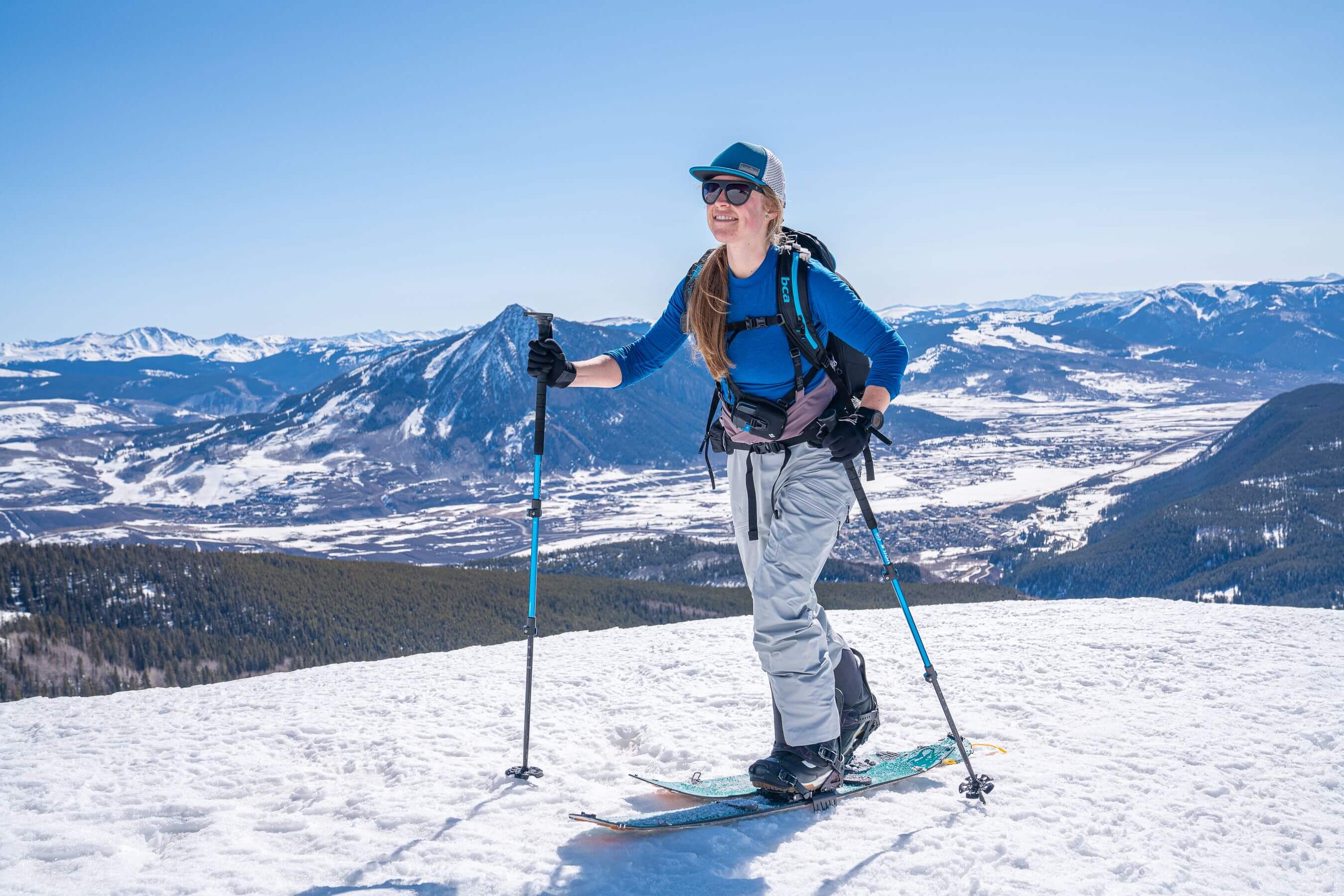
Articulated knees are especially important in inclusive sizing. For women with more muscular "skier quads," a well-designed bib provides extra room in the thigh and knee area to prevent the fabric from binding during deep turns or when stepping over obstacles on the skintrack.
Buyer’s Guide: Choosing Your Ideal Snow Armor
Selecting the right bib requires understanding your local environment and your personal skiing style. Here is what you need to look for before hitting the "buy" button.
Waterproofing and Snow Climates
Waterproofing is measured in millimeters (mm). For most inland resorts where the snow is relatively dry, a rating between 15,000mm and 20,000mm is the sweet spot. However, if you ski in wet coastal climates like Whistler or the Cascades, you should look for ratings of 30,000mm or high-end 3-layer hardshells to ensure you stay dry during heavy, wet precipitation.
Drop Seat Deep Dive
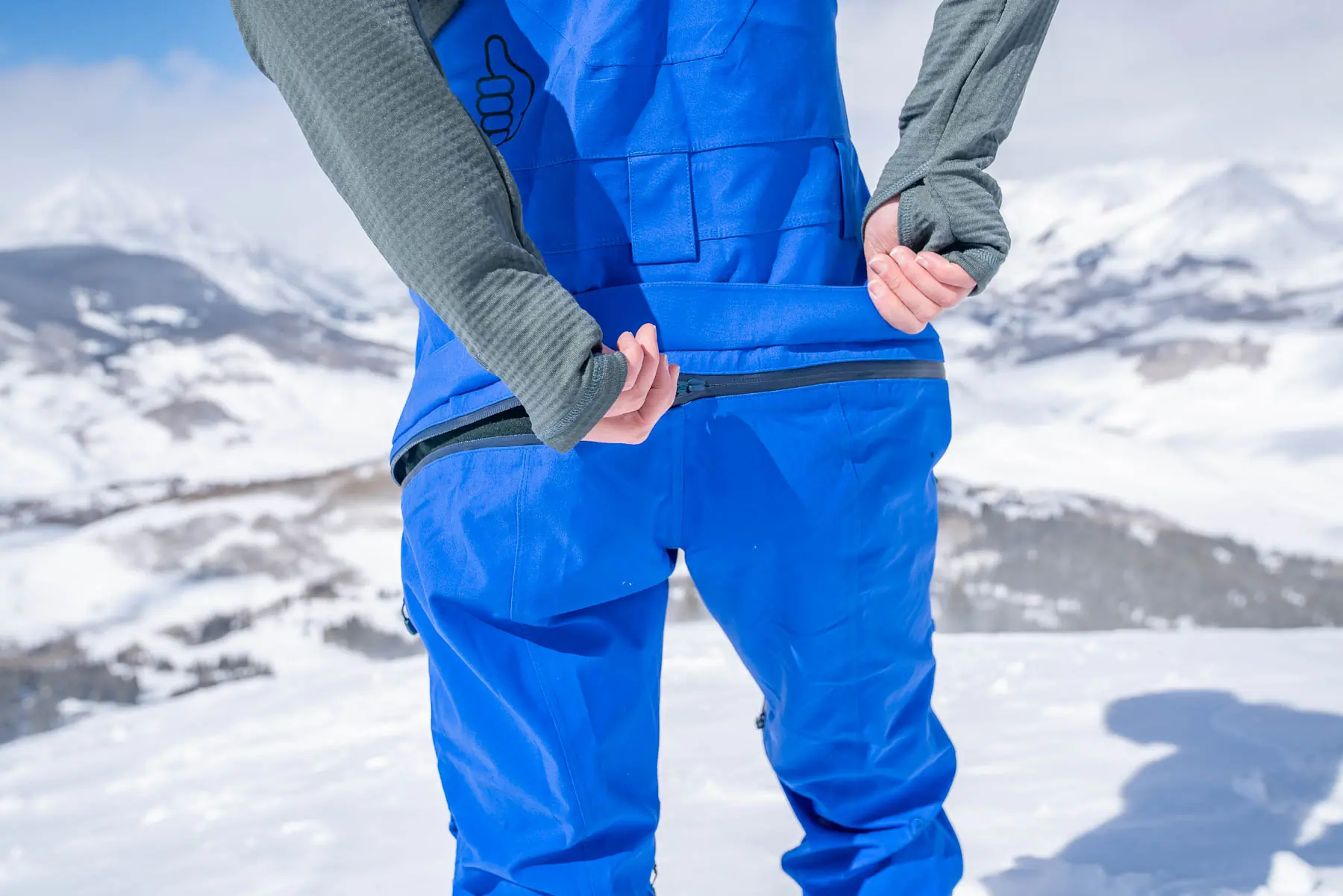
The "bathroom question" is the most common concern for women transitioning from pants to bibs. Modern engineering has largely solved this. Look for a best women's snow bibs with easy access drop seat that uses either a "U" shaped rear zipper or a side zipper that extends all the way through the waist. This allows you to take care of business without removing your jacket or heavy layers.
Storage and Safety
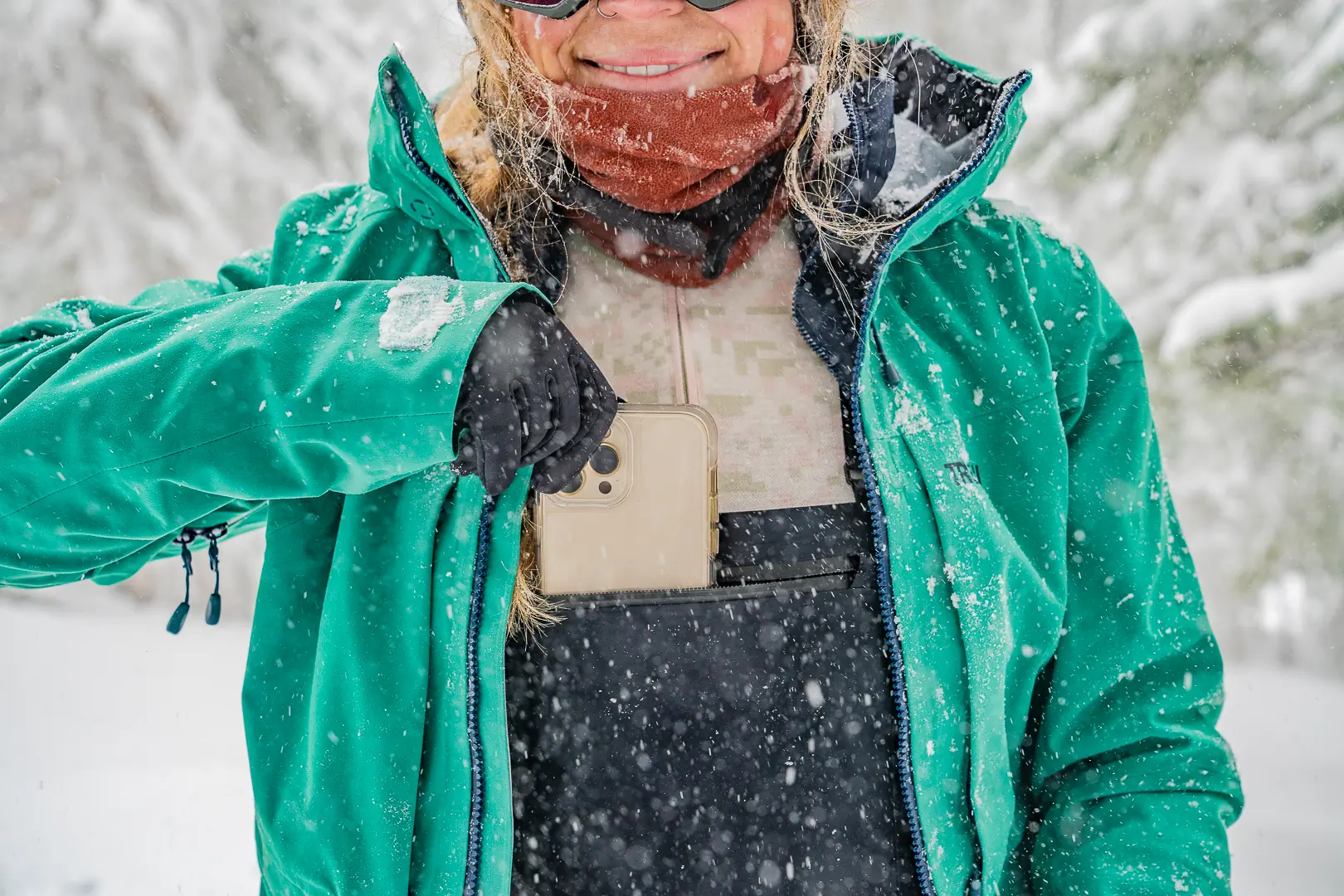
Modern bibs are becoming more functional. We look for women's ski bibs with dedicated avalanche beacon pockets and reinforced areas for gear. Storage for oversized smartphones in the chest pocket is also a must, as the warmth of your core helps preserve battery life in freezing temperatures.
Ventilation and Temperature Control
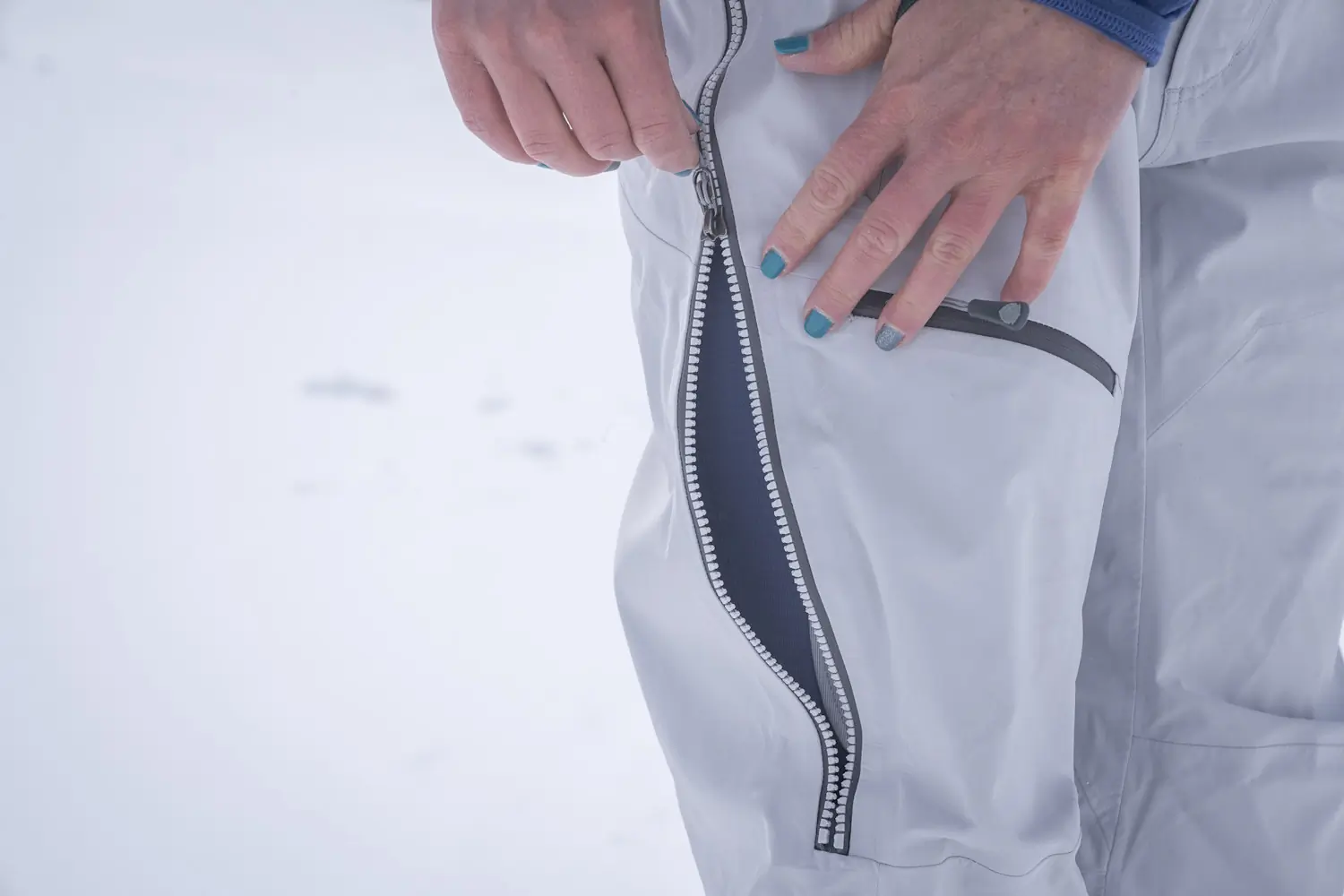
If you plan on doing any hiking or touring, Thigh zip ventilation is essential. Some bibs offer outer thigh vents, while others provide inner thigh openings. Generally, outer vents are easier to operate with gloves on. Furthermore, look for RECCO reflectors embedded in the fabric; these are a passive safety feature that allows rescue teams to locate you in the event of an emergency.
Durability Features
Finally, pay attention to the cuffs. Reinforced scuff guards are critical for protecting the lower leg from sharp ski edges. A pair of bibs without these reinforcements will often see fabric tearing within a single season of heavy use.
FAQ
Are bibs or pants better for women's skiing?
Bibs are generally superior for most skiers because they offer better protection against snow entry, extra warmth for the core, and they don't have a restrictive waistband. Pants are often preferred by spring skiers who want maximum breathability or those who find bib straps uncomfortable over their shoulders.
How do you use the bathroom while wearing women's ski bibs?
Modern women's bibs feature a drop seat, which is usually a zipper that runs from the waist down the side or around the back. This allows the back of the bib to drop down without you having to take off your jacket or suspenders, making lodge visits much faster.
Should I get insulated or shell ski bibs?
Deciding between shell and insulated bibs depends on activity level and typical weather. Insulated bibs are ideal for resort skiing in temperatures below 10 degrees Fahrenheit or for those who run cold on chairlifts. Shell bibs are the preferred choice for high-output activities like backcountry touring and spring skiing, as they offer better breathability and can be worn with various moisture-wicking base layers.
What features are most important in a quality ski bib?
The most important features are a reliable waterproof-breathable membrane, a functional drop seat, and Articulated knees for a better range of motion. For backcountry users, dedicated pockets for safety gear and lightweight 3-layer hardshells are also top priorities.
Are there ski bibs specifically designed for short or tall women?
Yes, many leading brands now offer specialized sizing. Brands like Trew Gear, Flylow, and Outdoor Research frequently offer their best-selling bibs in short and tall lengths to ensure the knee articulation and boot gaiters sit in the correct position on the leg.