Our Top Picks
- Overall Winner: Arc'teryx Beta AR — The gold standard for versatility, featuring a rugged 3-layer construction and Gore-Tex Pro protection that handles everything from resort skiing to alpine climbing.
- Best for High-Output: Ortovox Ortler 3L — Unmatched breathability and stretch for backcountry skiers who need moisture management during steep, aerobic ascents.
- Best Value: Rab Arc Eco — A sustainable powerhouse using recycled materials that delivers high-end weather protection without the premium alpine price tag.
Finding the best women's hardshell jacket requires more than just looking at a spec sheet; it demands years of exposure to the world’s harshest environments. Over a decade, our team of professional guides has tested 80+ shells from the High Sierra to the Alps. The Arc'teryx Beta AR remains the best overall women's hardshell jacket due to its versatile Gore-Tex Pro construction and multi-denier durability.
Comparison of Top Hardshell Jackets
| Product | Weight (oz) | Price (USD) | Denier Rating |
|---|---|---|---|
| Arc'teryx Beta AR | 14.5 oz | $600 | 40D / 80D |
| Ortovox Ortler 3L | 13.3 oz | $550 | 3-Layer Performance |
| Patagonia M10 Storm | 10.1 oz | $500 | 30D |
| Arc'teryx Alpha SV | 17.1 oz | $900 | 100D |
| Rab Arc Eco | 14.1 oz | $250 | 50D |
How We Tested: 10 Years in the Elements
Our testing process isn't a weekend hobby; it's a decadelong obsession. Since 2014, we have put dozens of technical shell jackets for women through the wringer. Our testing team includes IFMGA-certified guides and seasoned alpinists who spend upwards of 200 days a year in the mountains. We don't just stand under a showerhead; we take these jackets into the relentless Vancouver Island drizzle and the biting winds of the Italian Alps to see where they fail.
We evaluate each jacket based on a weighted scoring system. Weather protection accounts for 30% of the total score, focusing on how well the DWR treatment sheds water and whether the shell remains fully seam-taped after heavy use. Mobility and breathability each make up 20%, as a shell that restricts your movement on a technical pitch is a liability. Finally, we look at durability and abrasion resistance—essential for anyone dragging their gear across granite or through thick brush.
Modern hardshell jackets are typically defined by a 3-layer construction that bonds a waterproof-breathable membrane between an interior liner and an exterior face fabric for maximum durability in mountain environments. This construction is the backbone of the technical market. It is a market that continues to see massive investment, as the global women's coats and jackets market was valued at approximately USD 89.56 billion in 2025 and is projected to reach USD 133.79 billion by 2034.
Best Overall: Versatility Meets Durability
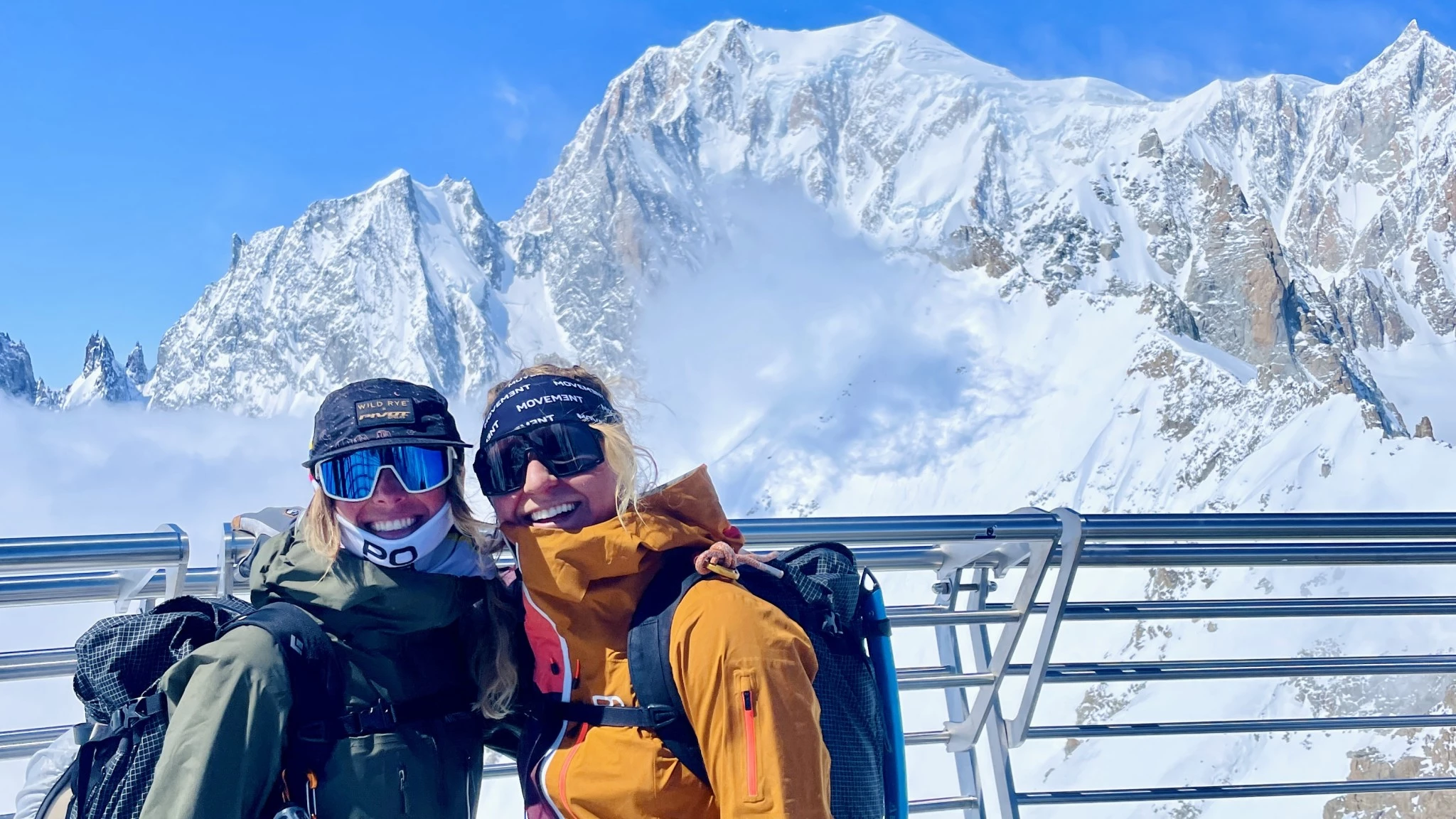
When you look at the landscape of waterproof jackets for mountaineering, the Arc'teryx Beta AR stands alone. It has sat at the top of our list for most of the last decade because it refuses to compromise. The "AR" stands for All Round, and it lives up to that name by balancing weight, packability, and extreme weather protection.
The genius of the Beta AR lies in its multi-denier fabric strategy. Arc'teryx uses a lighter 40-denier Gore-Tex Pro fabric in the main body to keep the jacket supple and breathable. However, they reinforce high-wear areas like the shoulders and forearms with a burly 80-denier fabric. This ensures the jacket can withstand the constant friction of backpack straps or the occasional scrape against ice and rock without adding unnecessary bulk to the entire garment.
One of the standout features is the DropHood. Unlike most technical hoods that are integrated directly into the collar, the DropHood sits independently, providing a high protective collar even when the hood is down. This is particularly useful for alpine missions where you might be wearing a bulky mid-layer but don't need the hood over your helmet yet. The articulated sleeves ensure that when you reach for a hold, the hem of the jacket stays firmly under your harness.
Technical Specs: Arc'teryx Beta AR
- Membrane: Gore-Tex Pro Most Rugged
- Face Fabric: 40D and 80D Plain Weave Nylon
- Weight: 14.5 oz (approx. 411g)
- Features: DropHood, Watertight Pit zippers, Recco reflector
- Pros
- Incredible durability-to-weight ratio.
- Highly versatile for skiing, hiking, and climbing.
- The best hood design in the industry for wind protection.
- Cons
- Premium price tag.
- The separate collar and hood can feel bulky to some users.
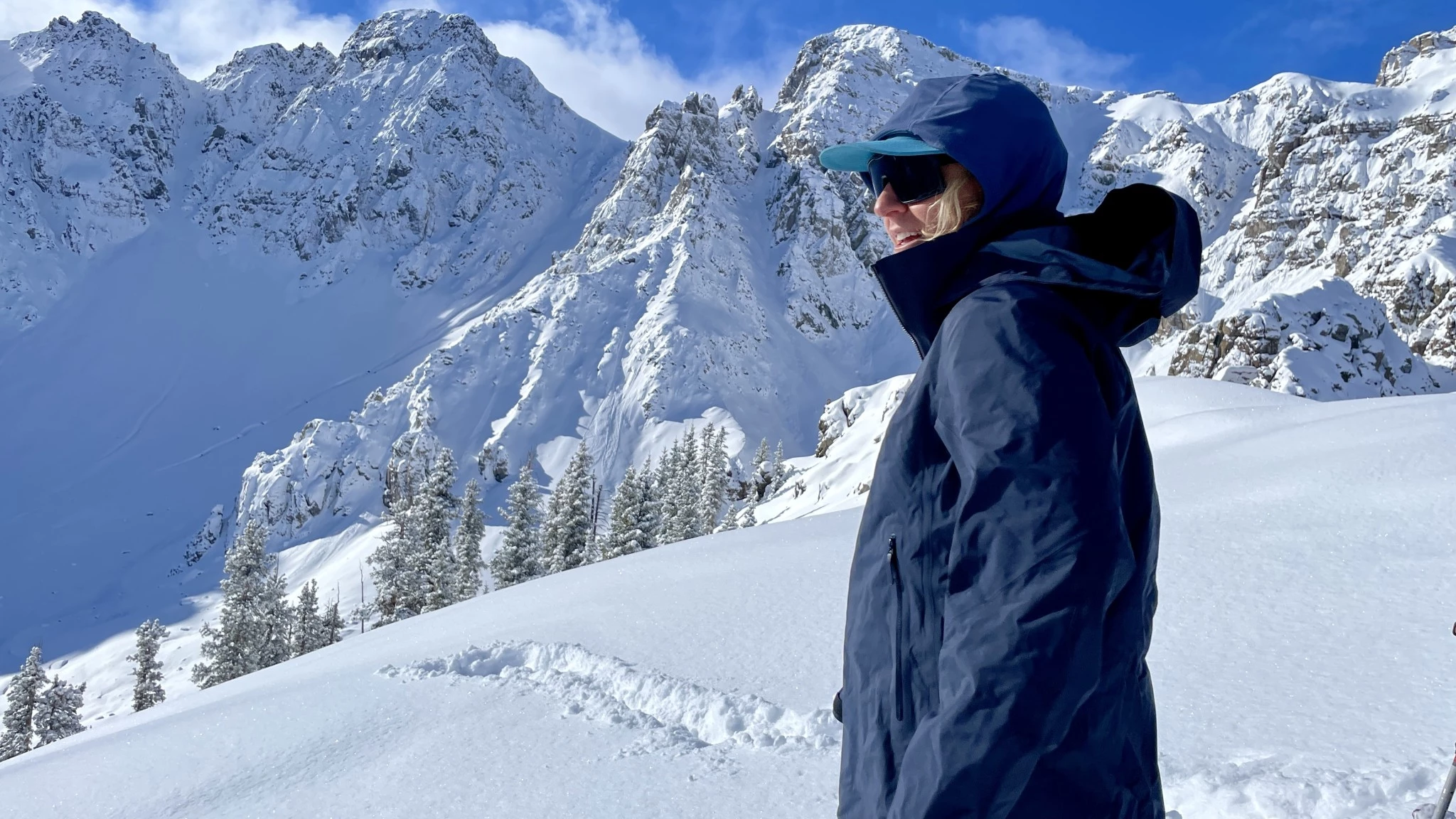
High-Output Protection: Best for Backcountry Skiing
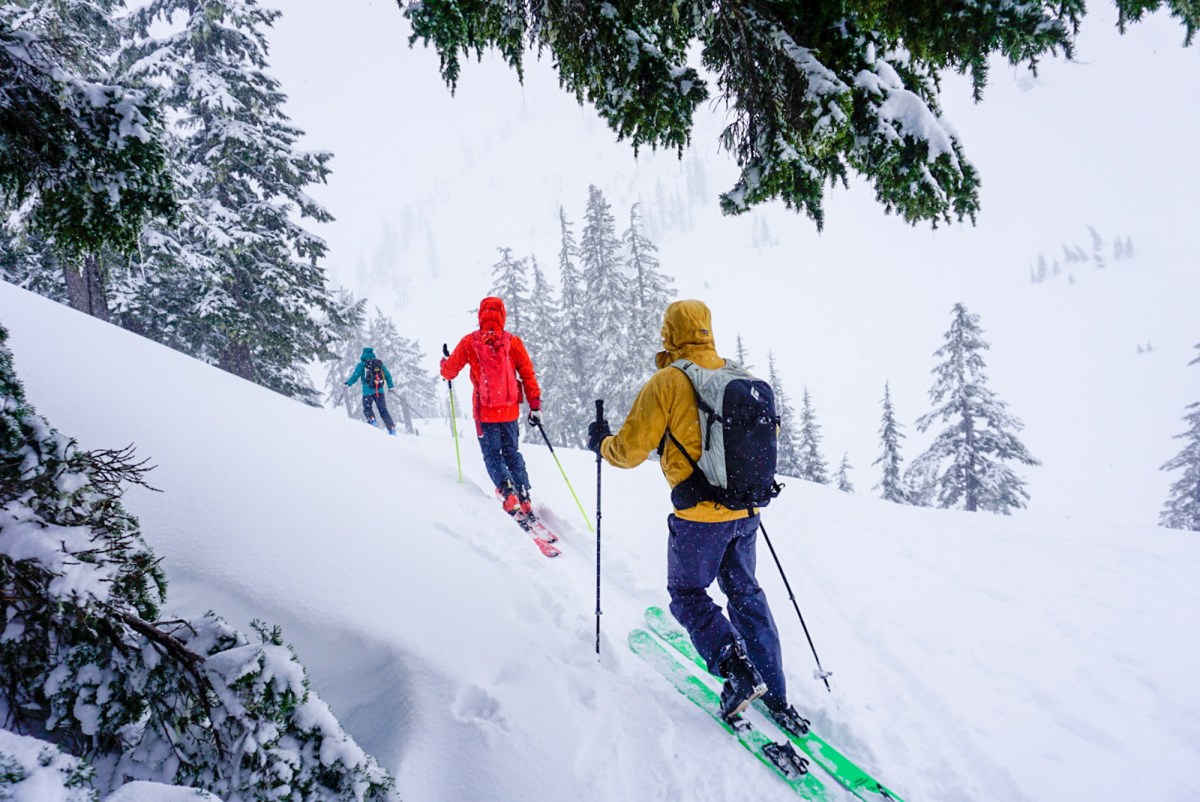
While Gore-Tex Pro is the king of durability, high-energy activities like skinning up a mountain require a different approach to moisture management. For these scenarios, we look toward the Ortovox Ortler 3L. This jacket is specifically tuned for those who prioritize breathability and freedom of movement over pure abrasion resistance.
The Ortler uses a proprietary Dermizax NX membrane. In our testing, this fabric felt significantly less "crinkly" and stiff than traditional hardshells. Because the membrane offers four-way stretch, the jacket can have a more streamlined, athletic fit without restricting your range of motion. This is the most breathable hardshell for skiing we have tested to date, as the fabric actually becomes more breathable the more you sweat, physically opening up to allow water vapor to escape.
When considering women's hardshell jacket layering strategies for skiing and hiking, the Ortler integrates beautifully. It features internal merino wool inserts in the chin and collar area, which provide comfort against the skin and help regulate temperature. On long slogs uphill, the massive pit zippers allow for immediate dumping of heat, while the fully seam-taped construction ensures you stay dry when the weather eventually rolls in.
Technical Specs: Ortovox Ortler 3L
- Membrane: Toray Dermizax NX
- Face Fabric: 100% Polyamide with Merino inserts
- Weight: 13.3 oz (approx. 376g)
- Features: 2-way front zipper, 2-way pit zips, helmet-compatible hood
- Pros
- Exceptional stretch and comfort.
- Highest breathability in its class.
- Lightweight and easily packable.
- Cons
- Less durable than Gore-Tex Pro for heavy alpine use.
- Pockets can be awkward with certain backpack hip belts.
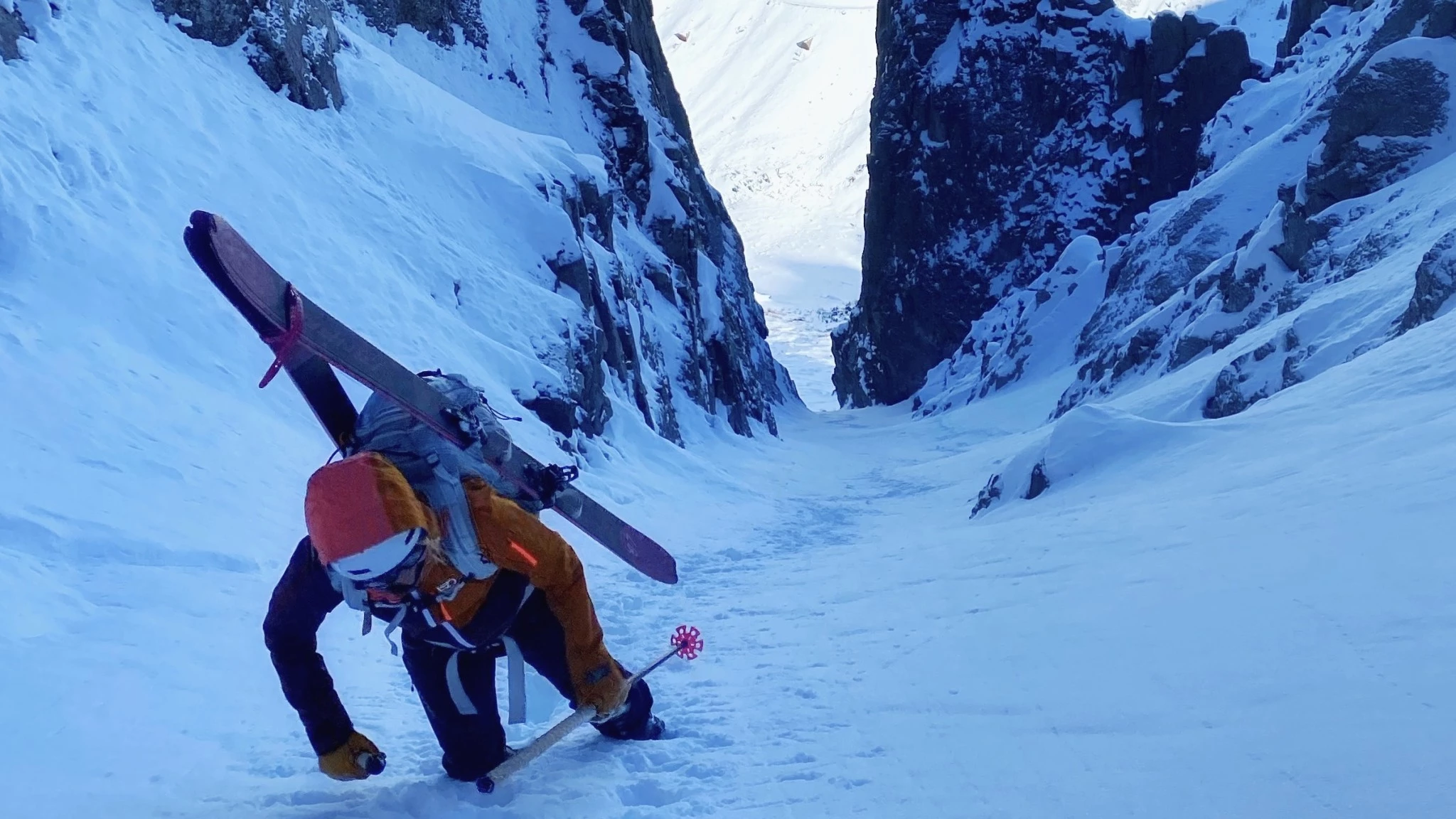
Technical Precision: Best for Ice Climbing & Alpinism
For those who live at the sharp end of the rope, mobility and harness compatibility are non-negotiable. This is where women's technical shell jackets with high mobility for ice climbing like the Patagonia M10 Storm or the legendary Arc'teryx Alpha SV shine.
The Patagonia M10 Storm is built for "fast and light" missions. It is a minimalist's dream, stripping away everything that isn't essential. This results in a featherweight shell that packs down to the size of a grapefruit. For ice climbing, the articulated sleeves are paramount—they allow you to swing an ice tool overhead without the jacket lifting out of your harness. It utilizes high-set Napoleon chest pockets that remain accessible even when you are wearing a climbing harness or a heavy pack.
On the opposite end of the spectrum is the Arc'teryx Alpha SV (Severe Weather). If you are heading into extreme maritime conditions or multi-day alpine expeditions, this is the best women's hardshell jacket for alpine climbing and mountaineering where survival is the priority. It uses a 100-denier face fabric, which is essentially armor against the elements. While it is heavier and stiffer than the M10 Storm, its abrasion resistance is unrivaled. Over years of testing, we’ve seen the Alpha SV survive encounters with jagged rock that would have shredded lighter shells.
Technical Specs: Arc'teryx Alpha SV
- Membrane: Gore-Tex Pro Most Rugged
- Face Fabric: 100D Plain Weave Nylon
- Weight: 17.1 oz
- Features: Custom TPU zipper pulls, Recco, HemLock inserts
- Pros
- Ultimate protection for the worst storms on earth.
- Reinforced for maximum life span.
- Climbing-specific fit.
- Cons
- Very expensive and heavy for casual use.
- Fabric is loud and crinkly.

The Great Transition: PFAS-Free & Sustainable Shells
The outdoor industry is currently undergoing a massive shift. We are moving away from traditional "forever chemicals" (PFAS/PFCs) used in DWR treatment and membranes toward more environmentally friendly chemistry. This means as a consumer, you are now choosing between gore-tex pro and proprietary women's hardshell fabrics that use new ePE membranes or recycled materials.
The Rab Arc Eco is a prime example of top-rated sustainable and pfc-free hardshells for women. It utilizes a 100% recycled Pertex Shield fabric. In our field tests, we were pleasantly surprised by how well this recycled fabric performed in heavy snowfall. While older "green" shells often felt heavy or leaked quickly, the Arc Eco provides a reliable barrier while remaining significantly more affordable than its Gore-Tex counterparts.
However, there is a trade-off. The new PFAS-free DWR treatments often require more frequent maintenance. You may find that water stops "beading" on the surface of your sustainable shell sooner than it would have on an older jacket. Regular washing and heat-drying are more important than ever to keep these technical hardshell materials performing at peak levels.
Technical Specs: Rab Arc Eco
- Membrane: 3-layer Pertex Shield Revolve
- Face Fabric: 50D Recycled Polyester
- Weight: 14.1 oz
- Sustainability: PFC-free DWR, fully recycled fabric
- Pros
- Excellent price point for a 3-layer shell.
- Exceptional environmental credentials.
- Soft, comfortable hand feel.
- Cons
- DWR requires more frequent reapplications.
- Slightly less breathable than high-end Gore-Tex Pro.

FAQ
How should a women's hardshell jacket fit?
A technical shell should allow for a full range of motion while leaving enough room for layers underneath. When trying on a jacket, wear your thickest mid-layer (like a down puffy or heavy fleece) and make sure you can still move your arms freely without the hem pulling up or the chest feeling tight. Look for articulated sleeves and a hem that stays put when your arms are raised.
What is the difference between a hardshell and a softshell jacket?
Hardshells are designed to be fully waterproof and windproof, using a membrane to block external moisture. They are your primary defense in rain or heavy snow. Softshells are more breathable and flexible, offering water resistance but not total protection. Softshells are better for high-output activities in mild conditions, while hardshells are for when the weather turns truly nasty.
Are hardshells completely waterproof?
Yes, high-quality hardshells are functionally waterproof. They use a waterproof membrane and have every seam covered with waterproof tape. However, you can still get wet from the inside out if you are working hard and your sweat cannot escape fast enough. This is why moisture management and features like pit zippers are just as important as the waterproof rating.
What features should I look for in a technical hardshell?
Focus on the 3-layer construction for durability. Ensure the jacket has a helmet-compatible hood if you plan on climbing or skiing. Other "must-haves" include pit zippers for ventilation, high-quality waterproof zippers, and a denier rating that matches your activity level—higher for rock and ice, lower for weight-sensitive hiking.
How do you properly wash and maintain a hardshell jacket?
Counter-intuitively, you should wash your hardshell regularly. Dirt and body oils can clog the pores of the membrane and break down the DWR treatment. Use a technical detergent (like Nikwax or Grangers) and wash on a gentle cycle. Most importantly, tumble dry the jacket on medium heat for 20 minutes; this heat reactivates the DWR so water continues to bead off the surface.