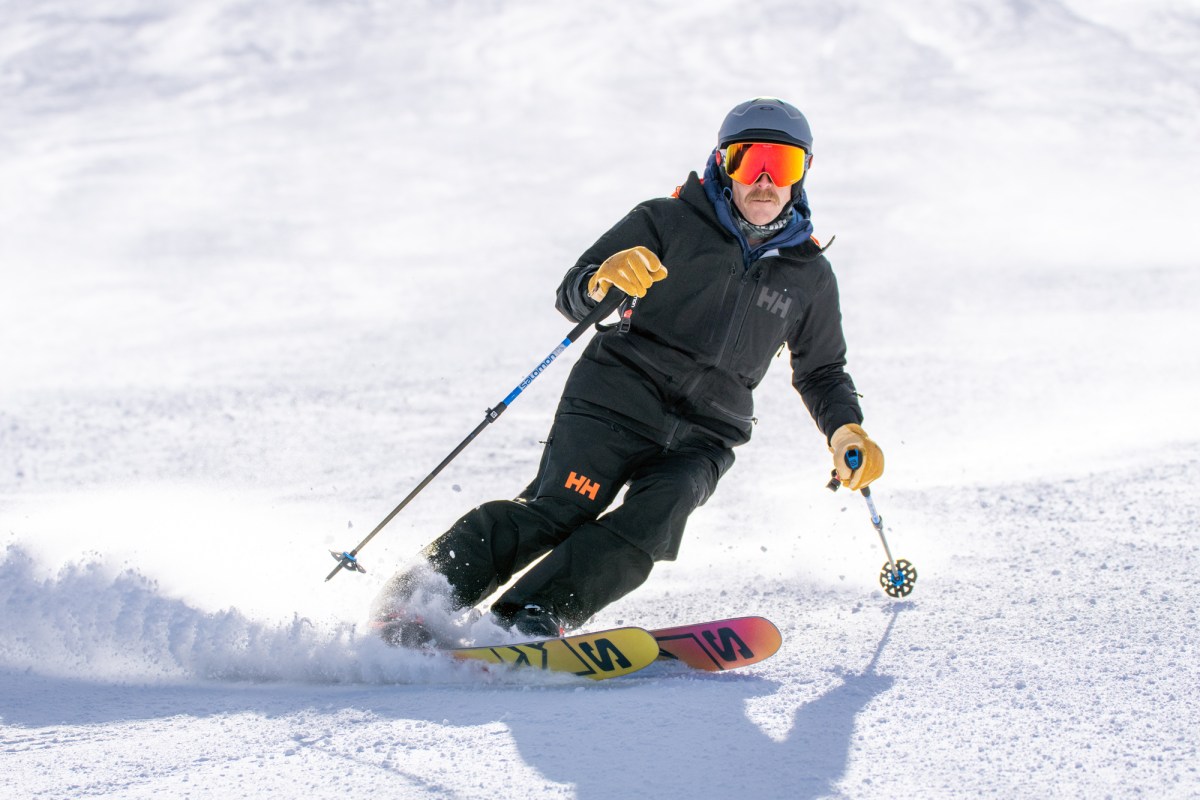
Our Top Picks
- Best Overall Resort Shell: Arc’teryx Sabre / Sentinel — Unrivaled 80D to 140D construction paired with a 28,000mm waterproof rating for ultimate storm protection.
- Best for High-Output Touring: Outdoor Research Skytour — The gold standard for backcountry touring ski pants, offering exceptional mechanical stretch and air permeability.
- Best Value for Beginners: The North Face Freedom — The most reliable choice for best budget friendly ski pants for beginners 2026, delivering 2-layer DryVent protection at a $200 benchmark.
- Best Extreme Durability: Helly Hansen Elevation Infinity — Uses a chemical-free membrane and high-denier face fabrics to survive the most abrasive alpine environments.
Finding the best ski pants in 2026 requires balancing the new era of sustainable PFAS-free membranes with the ruggedness needed for double-black diamond terrain. After 400+ days of field testing across 31 resorts, we've identified the most durable waterproof ski pants for every climate, from the wet coastal snow of the PNW to the dry interior powder of the Rockies.
How We Tested: The 400-Day Benchmarks
Our review process goes far beyond looking at spec sheets in a climate-controlled office. To truly find the best ski pants, we put 25 different models through a rigorous 400-day testing cycle. This included over 150,000 feet of vertical travel and 265 hours specifically logged during active snowfall. We visited 31 different resorts, ranging from the humid, bone-chilling dampness of Whistler to the high-altitude, abrasive wind-scouring of Revelstoke.
One of our primary testing metrics is the "Damp Butt" test. We spend hours sitting on lift chairs that haven't been swept, testing whether a pant’s membrane can withstand the pressure of a skier's weight against a wet surface without leaking. We also focus heavily on hardware longevity, repeatedly cycling zippers while encrusted in ice and intentionally dragging cuffs across sharp ski edges to test the most durable ski pants with reinforced cuffs and hems.
| Testing Metric | Benchmark Goal | Result Achieved |
|---|---|---|
| Vertical Descent | 100,000 ft | 152,400 ft |
| Storm Exposure | 150 Hours | 265 Hours |
| Temperature Range | +5°C to -30°C | +7°C to -34°C |
| Total Resorts | 15 | 31 |
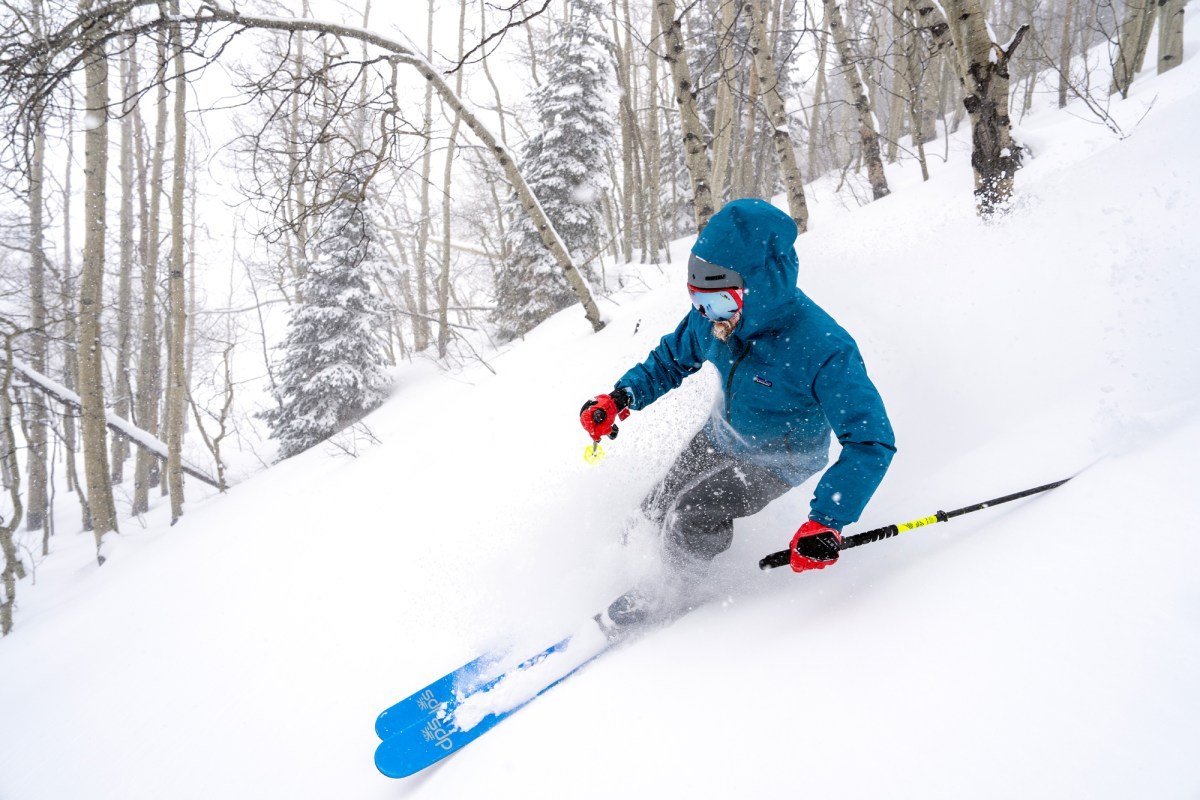
Best for Resort Prowess: Maximum Protection
When you are riding the lift all day, you aren't generating much body heat, but you are constantly exposed to the elements. For these conditions, hardshell ski pants are the undisputed king. These garments utilize a non-porous or micro-porous membrane sandwiched between a tough outer face fabric and an inner liner. In 2026, the industry has shifted toward high-performance technical ski pants that typically achieve waterproof ratings between 20,000mm and 28,000mm, providing essential protection against heavy rain and wet snow in extreme conditions.
The best ski pants for the resort focus heavily on exterior toughness. To ensure long-term durability against equipment abrasion, premium resort-oriented ski pants often utilize high-denier face fabrics ranging from 140D to 150D. This thickness is crucial because it prevents the fabric from "wetting out" and protects the waterproof membrane from being punctured by boot buckles or ski edges.
Fast Spec: Arc'teryx Sabre (Resort King)
- MSRP: $650
- Material: N80p-X GORE-TEX ePE
- Waterproof Rating: 28,000mm
- Denier: 80D (Reinforced to 140D in high-wear areas)
Using hardshell pants at the resort also means you get the best windproofing. On a frozen chairlift in the middle of a January blizzard, the ability of your pants to block 100% of the wind is just as important as the waterproof rating. Look for features like taped and sealed seams and internal snow gaiters to ensure no moisture or cold air creeps in from the bottom up.
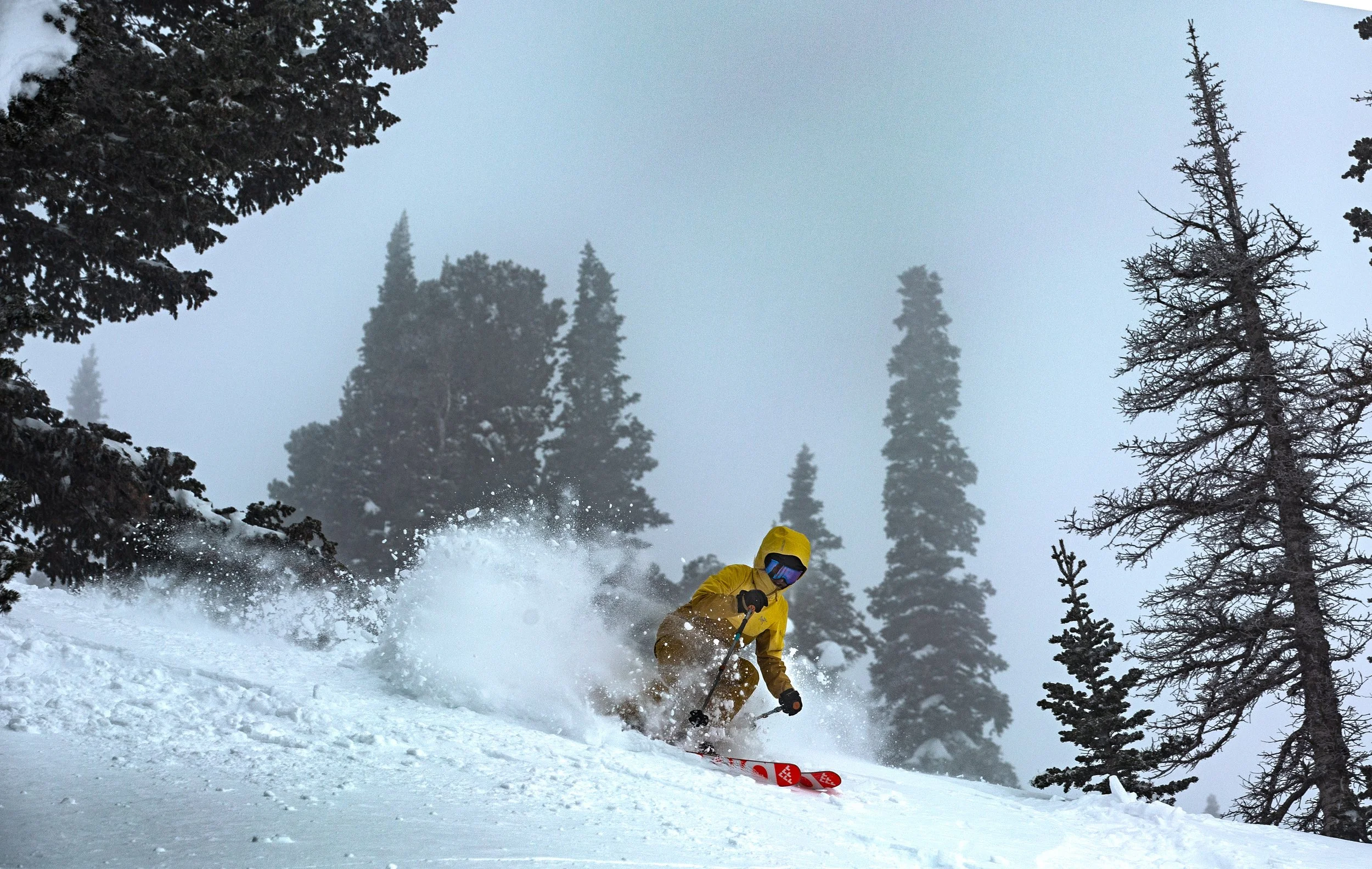
Best for Backcountry Touring: The Breathability Peak
The requirements for backcountry touring ski pants are the polar opposite of resort gear. When you are skinning up a 2,000-foot ridge, you are generating massive amounts of sweat. If that moisture can't escape, you’ll end up soaked from the inside out, leading to a dangerous chill once you stop at the summit. This is where the debate of hardshell vs softshell ski pants becomes critical.
Softshell pants offer superior breathability and mechanical stretch, which are better suited for high-output backcountry touring where moisture management from sweat is prioritized over total liquid protection. They lack a waterproof membrane but feature a tight weave and a DWR coating that sheds dry powder easily. However, for the most versatile backcountry setup, many skiers are choosing breathable ski pants for high output backcountry touring that utilize hybrid constructions. These hybrids put waterproof fabrics on the seat and knees while using air-permeable softshell panels everywhere else.
Fast Spec: Outdoor Research Skytour (Touring Specialist)
- MSRP: $375
- Material: AscentShell 3L
- Waterproof Rating: 15,000mm - 20,000mm
- Denier: 40D to 70D (Lightweight for movement)
For those who prefer a full shell, mechanical ventilation zippers are a non-negotiable feature. We look for "cross-flow" venting—zippers on both the inside and outside of the thighs—to allow air to pass directly through the garment during the ascent.
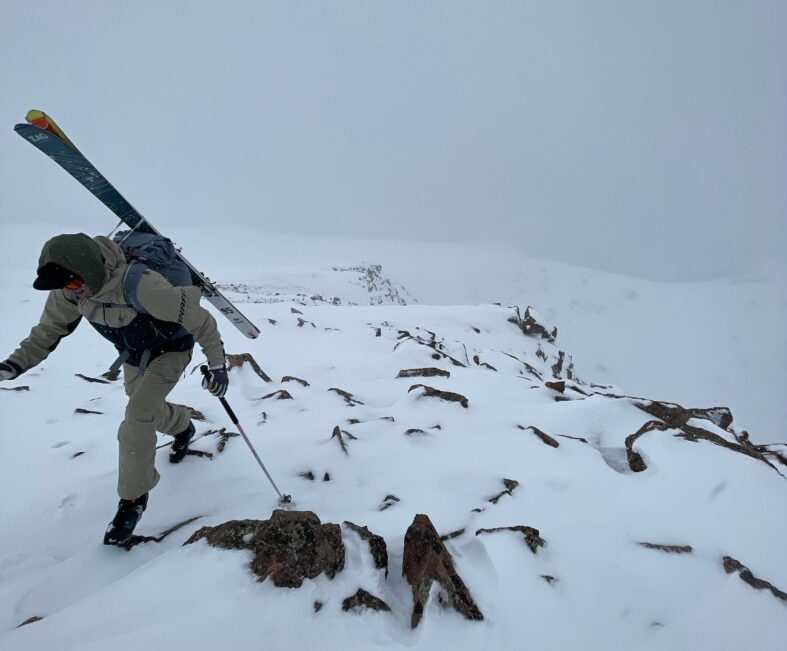
High Value: Best Budget Performance Shells
You do not need to spend six hundred dollars to get a pair of durable waterproof ski pants. The $200 price point has become a highly competitive space where brands like The North Face and Columbia offer incredible value. The best budget friendly ski pants for beginners 2026 often use 2-layer constructions rather than the more expensive 3-layer builds found in pro-level gear. While they might be slightly heavier and less breathable, they provide more than enough protection for a standard day at the resort.
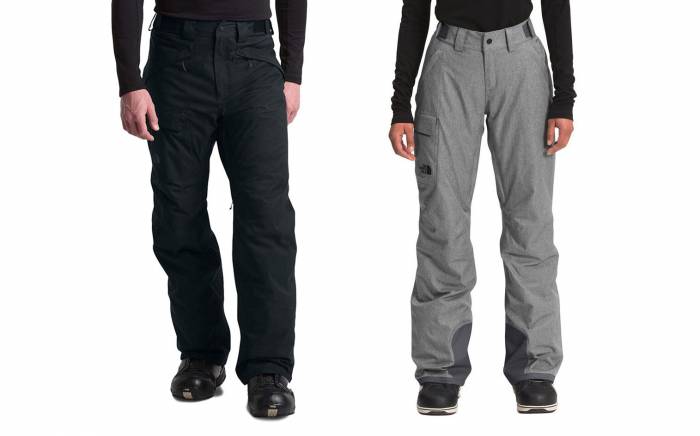
The North Face Freedom pant remains our top value pick because it doesn't skimp on the essentials. It still features scuff guards to prevent the inner ankles from shredding and includes zippered hand pockets that are actually deep enough to hold a modern smartphone.
Fast Spec: The North Face Freedom (Value Pick)
- MSRP: $220
- Material: DryVent 2L
- Waterproof Rating: 15,000mm
- Denier: 140D (High durability for the price)
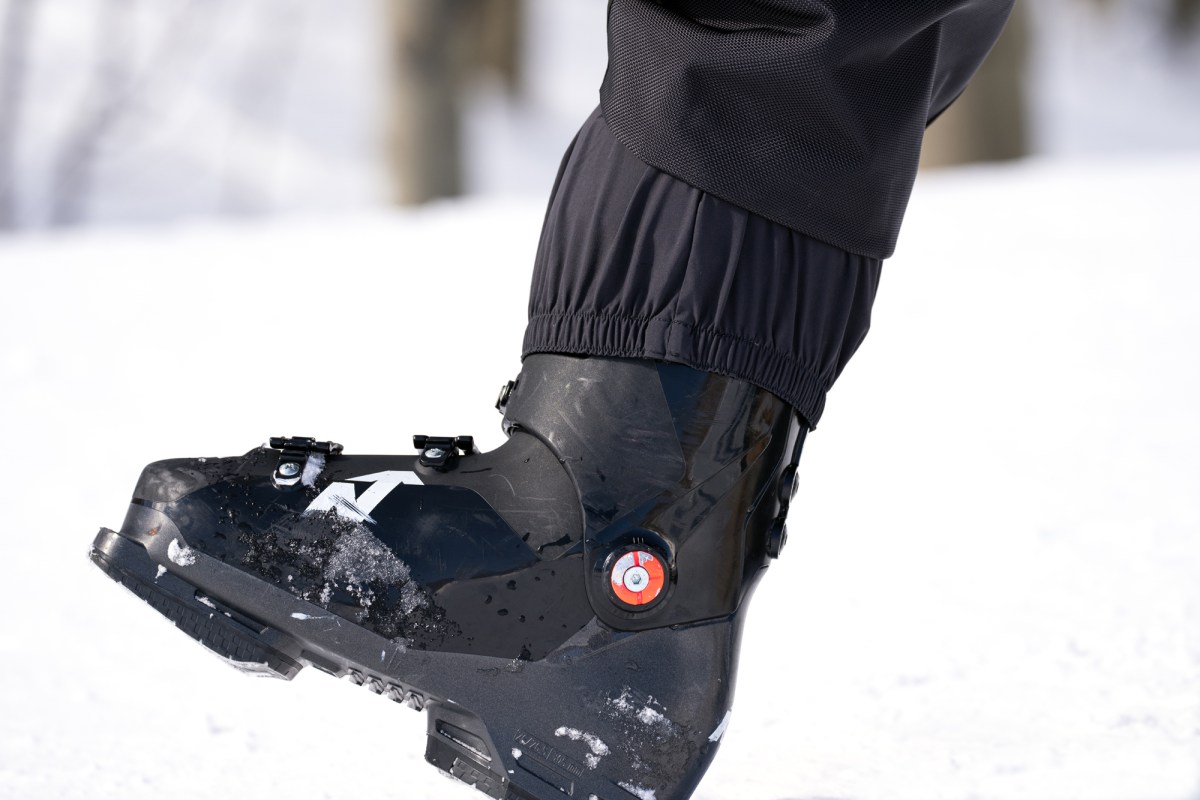
When shopping in this category, we recommend checking the internal snow gaiters. Cheaper pants often have flimsy elastic that can ride up your boot, letting snow into your socks. The Freedom pant uses a robust gripper elastic that stayed put even during our deepest powder tests.
Buyer’s Guide: Understanding 2026 Material Science
The landscape of ski gear changed significantly this year. The most important update is the transition to PFAS-free ePE membranes. Traditionally, waterproof gear relied on "forever chemicals" (PFAS) to repel water. The new ePE membranes provide the same level of waterproof performance while reducing environmental impact through sustainable textile construction.
The GORE-TEX membrane used in many durable ski pants contains approximately nine billion pores per square inch, each of which is 20,000 times smaller than a liquid water droplet to prevent penetration. This microscopic engineering allows moisture vapor (sweat) to escape while keeping the snow and rain out.
Climate Compatibility Guide
Where you ski should dictate the waterproof rating you choose. Use the table below to match your geographic location with the appropriate technology.
| Region | Typical Condition | Recommended Rating | Preferred Fabric |
|---|---|---|---|
| Pacific Northwest | High moisture, wet snow | 28,000mm | 3-Layer Hardshell |
| The Rockies | Dry powder, cold wind | 15,000mm - 20,000mm | Insulated or Hybrid |
| East Coast (Ice) | Wind, sleet, man-made snow | 20,000mm+ | High-Denier Hardshell |
| European Alps | Variable high-altitude | 20,000mm | 3-Layer Shell + Layers |
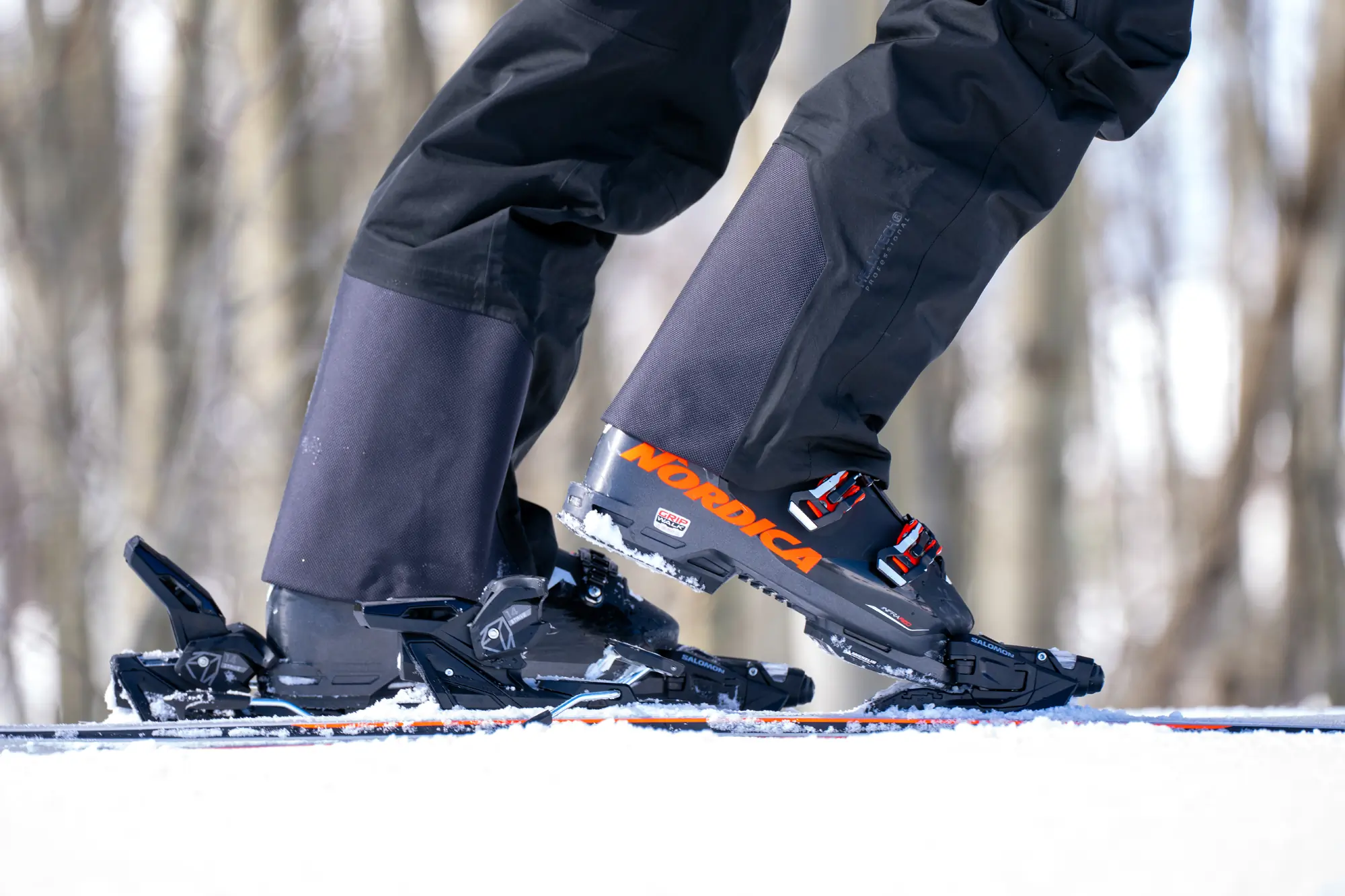
Beyond the membrane, look for physical durability features. Scuff guards are reinforced patches on the inside of the ankle. Without these, even the best ski pants will be shredded by your ski edges within a single season. We also highly recommend a RECCO reflector, which is a small, passive transponder sewn into the pant that helps search and rescue teams locate you in the event of an emergency.
Maintenance: Caring for PFAS-Free Gear
Modern sustainable membranes require more frequent cleaning than the gear of the past. Surface contaminants like dirt, body oils, and even campfire smoke can compromise the fabric's ability to bead water and breathe effectively.
To maintain the waterproof performance of ski pants, wash them using a specialized technical detergent that is free of fabric softeners and scents. Traditional detergents can leave a residue that attracts water rather than repelling it. After washing, tumble dry the garment on medium heat for approximately 20 minutes to reactivate the Durable Water Repellent coating. This heat cycle is the secret to getting that satisfying "water beading" effect back on an older pair of pants.
If your pants are still soaking up water after a wash and dry, it’s time for a DWR reactivation treatment. You can apply a spray-on DWR after the wash cycle while the garment is still wet, then dry it as usual. Regular maintenance not only keeps you dry but significantly extends the life of your gear.
FAQ
What is the difference between ski pants and snow pants?
The term snow pants is a general category for any insulated, water-resistant trouser. However, technical ski pants are specifically designed for the movement of skiing, featuring articulated knees, reinforced scuff guards to protect against ski edges, and internal gaiters to seal out deep powder.
Are bibs or traditional pants better for skiing?
Bibs are generally superior for deep powder days because they offer higher coverage, preventing snow from going down your waist. They also provide extra warmth for the torso. Traditional pants are often lighter, more breathable for spring skiing, and easier to take off for bathroom breaks.
What waterproof rating is best for ski pants?
For most resort skiers, a 15,000mm to 20,000mm rating offers the perfect balance of protection and price. If you frequently ski in wet climates like the Pacific Northwest or Japan, you should look for a 28,000mm rating to ensure you stay dry during heavy, wet storms.
Are insulated ski pants better than shell pants?
Insulated ski pants are excellent for those who run cold or ski in extremely low temperatures consistently. However, shell pants are more versatile; you can add or remove base layers underneath to adjust for the weather, making them the preferred choice for high-activity skiers and those who ski in varied spring conditions.
What is the difference between hard shell and soft shell ski pants?
Hardshell pants emphasize a total waterproof and windproof barrier, which is ideal for resort skiing and stormy weather. Softshell pants prioritize breathability and stretch, making them the better choice for high-output activities like backcountry uphill skinning where you need to dump heat quickly.
What features should I look for in high-quality ski pants?
Key features include a high-denier face fabric (at least 70D), reinforced scuff guards at the ankles, fully taped seams, and adjustable waist tabs. For safety, a RECCO reflector is a valuable addition, and mechanical ventilation zippers are essential for temperature regulation.