Our Top Picks
- Best Overall Men's Jacket: Helly Hansen Alpha LifaLoft — High-performance warmth and stretch for resort skiing.
- Best Women's Shell: Arc'teryx Sentinel — Professional-grade GORE-TEX protection for all-mountain use.
- Best Technical Shell: Flylow Malone — Superior breathability for high-output backcountry touring.
- Best Value: REI Co-op First Chair GTX — High-end GORE-TEX features at a mid-range price point.
- Best Budget Option: GEMYSE Mountain Fleece — Reliable basic warmth for under $100.
Our team spent over 475 days testing 120+ models to find the best ski jackets of 2026. Whether you need a technical shell for touring or the warmest insulated jacket for resort laps, our field-verified ratings focus on durability, weather protection, and value. The Helly Hansen Alpha LifaLoft is our top-rated men's jacket for versatility, while the Arc'teryx Sentinel remains the premier women's shell for 2026.
| Model | Category | Primary Use | Best Feature |
|---|---|---|---|
| Helly Hansen Alpha LifaLoft | Insulated | Resort | LifePocket+ |
| Arc'teryx Sentinel | Shell | Backcountry/All-Mountain | N80p 3L Construction |
| Flylow Malone | Shell | Backcountry | 20k/20k Breathability |
| REI First Chair GTX | Shell | Resort/Sidecountry | GORE-TEX Value |
| Patagonia Powder Town | Insulated | Resort | Recycled Warmth |
How We Tested: 475+ Days on the Mountain
To deliver these reviews, we didn't just look at spec sheets. Our testing team, including professional AMGA guides and seasoned patrollers, logged over 475 days on snow in demanding environments ranging from the deep powder of Hokkaido, Japan, to the high-alpine wind of Chamonix, France, and the variable conditions of the Colorado Rockies. For the 2025-2026 winter season, professional outdoor gear evaluations for top-rated models involved field testing each jacket for more than 45 days to assess long-term durability and weather protection.
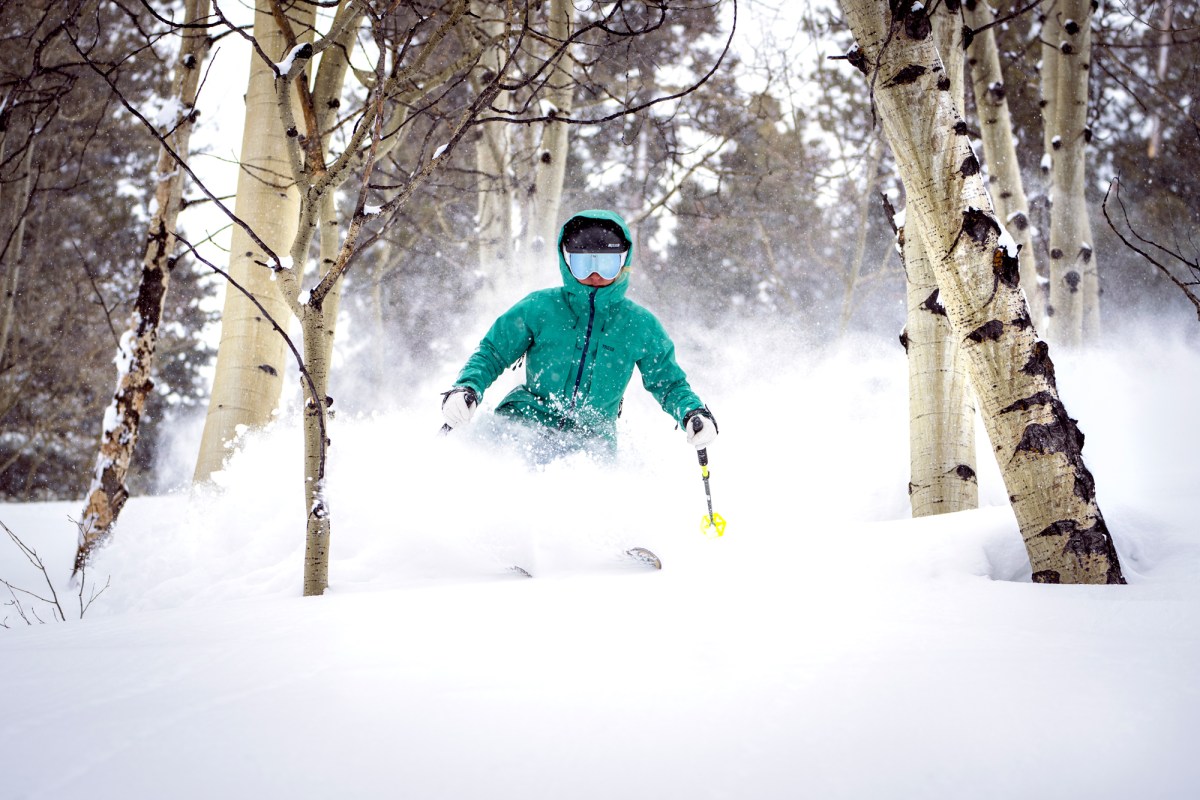
Our protocol involves measuring specific performance metrics: weight, packability, and pocket accessibility while wearing a pack. This year, we prioritized testing the latest Gen 2 membranes, specifically focusing on how the best high performance gore tex ski shells for rain and snow handle moisture. We looked closely at seam sealing quality and the effectiveness of DWR finish applications in wet coastal snow versus dry interior frost.
Best Overall Resort Jacket: Helly Hansen Alpha LifaLoft
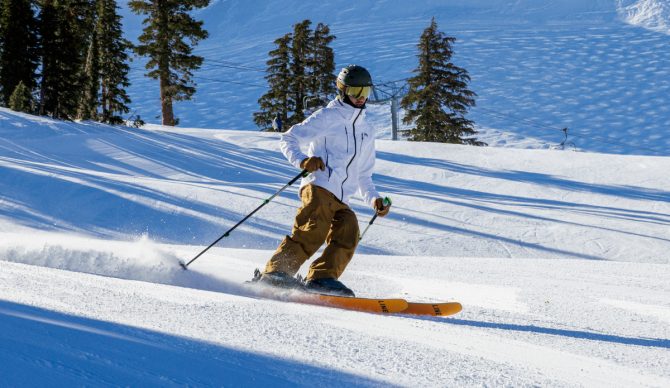
The Helly Hansen Alpha LifaLoft continues to set the benchmark for what a resort jacket should be. It uses LifaLoft insulation, which is lighter and warmer than standard synthetic fill, allowing for a slimmer, more tailored fit without sacrificing heat. The 4-way stretch fabric is a game-changer for aggressive carvers, providing unrestricted movement.
One of the standout features is the LifePocket+. Our testers found that this aerogel-insulated pocket actually preserved phone battery life for hours longer in sub-zero temps compared to standard chest pockets. The jacket is fully featured with a powder skirt, a helmet-compatible hood, and a integrated RECCO reflector for added safety within resort boundaries.
Why we chose it: The Alpha LifaLoft offers the most sophisticated balance of thermoregulation and mobility on the market. It feels like a second skin rather than a bulky parka.
Technical Specs:
- Weight: 1020g
- Insulation: 80g LifaLoft
- Waterproofing: 20,000mm
- Breathability: 20,000g/m²
Cons:
- Tailored fit may feel tight for those who prefer baggy styles.
- Too warm for high-output spring touring.
Best Technical Women's Shell: Arc’teryx Sentinel
For women who spend their winters chasing storms, the Arc’teryx Sentinel is the undisputed gold standard. Built with N80p 3L GORE-TEX, this shell is exceptionally rugged. It’s designed to withstand abrasive trees and constant chairlift friction while remaining surprisingly supple.
The Sentinel excels in professional backcountry ski jacket reviews because of its anatomical shaping. The fit allows for heavy mid-layers on cold days without looking bunchy. The high collar and StormHood provide a sanctuary during summit whiteouts. Large pit zips allow for immediate heat dumped during high-exertion climbs, maintaining internal comfort.

Why we chose it: Its durability is legendary. If you ski 50+ days a year, the Sentinel is an investment that will last for seasons, making it a sustainable choice for serious athletes.
Technical Specs:
- Weight: 590g
- Fabric: 80 Denier 3-layer GORE-TEX
- Features: Slide’n Loc jacket-to-pant interface
Cons:
- High price point is a significant barrier.
- Minimal insulation requires a separate down or fleece layer.
Best for Backcountry & Touring: Flylow Malone
When the goal is to travel far from the lifts, breathability becomes the most critical factor. The Flylow Malone is engineered for the skin track. Utilizing a proprietary 3L laminate, it offers a high degree of air permeability while remaining completely waterproof. This is a top choice backcountry touring jackets for breathability, as it prevents the "trash bag" sweat buildup common in cheaper shells.
Our testers appreciated the articulated elbows and shoulders, which make skinning transitions more efficient. You won't feel the jacket pulling when reaching to adjust your bindings or transition your skins. The Malone strips away unnecessary weight but keeps the essentials, like oversized skins pockets and robust seam sealing.

Why we chose it: It bridges the gap between a hard shell and a soft shell. It protects you from the wind and snow but breathes like a technical climbing piece.
Cons:
- Fabric has a slightly crunchy "technical" sound when moving.
- The fit is quite long, which may not suit shorter torsos.
Best Value & Budget Options
Finding best value ski jackets doesn't mean you have to settle for gear that leaks. The REI Co-op First Chair GTX is our standout mid-range recommendation. It utilizes a 2-layer GORE-TEX construction that provides the same waterproof guarantee as jackets twice its price. It’s a robust workhorse for the casual to dedicated resort skier.

For those looking for best budget friendly ski jackets for 2026, the GEMYSE Mountain Fleece offers entry-level performance for under $100. It is best suited for dry, cold resort days where the primary goal is heat retention rather than technical moisture management. Another versatile choice is the 686 Smarty. As one of the best 3-in-1 modular ski jackets for variable conditions, it includes a removable mid-layer, allowing you to adapt to changing temperatures throughout the day.
Technical Buyer’s Guide: Shell vs. Insulated & 2026 Trends
Deciding between shell vs insulated ski jackets depends on your layering strategy and climate. Shell jackets offer superior versatility and moisture management, making them ideal for backcountry touring where users can add or remove mid-layers. Insulated jackets provide convenient, integrated warmth that is best suited for cold resort days and chairlift rides, though they offer less flexibility for high-exertion activities or spring conditions.
The global ski clothing market is projected to reach a value of USD 1.4 billion in 2026, with jackets capturing a market share of over 34% among all ski clothing types. Much of this growth is driven by a shift toward more sustainable materials. In 2026, we are seeing a massive transition to GORE-TEX ePE membranes, which are PFAS-free, and more durable DWR finish treatments that don't harm the environment.
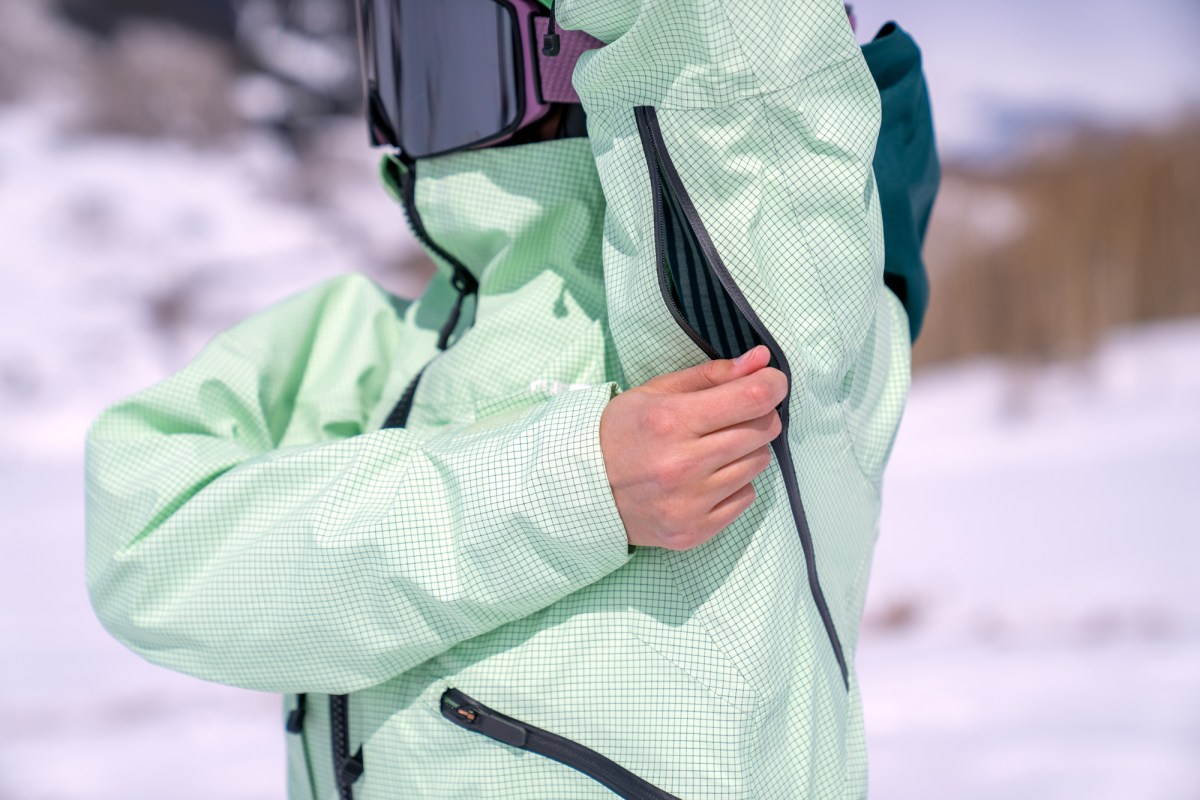
When choosing between shell vs insulated ski jackets for layering, consider that North America is forecasted to hold approximately 43% of the global ski gear and apparel market share by 2026. This means brands are focusing heavily on the needs of the Western skier: jackets that can handle the extreme cold of Quebec or the wet "Sierra Cement" of California. For these variable conditions, look for features like pit zips for thermoregulation and high-denier fabrics for longevity.
FAQ
What features should I look for in a ski jacket?
Prioritize a high waterproof rating (at least 15,000mm) and functional features like a powder skirt, helmet-compatible hood, and various pockets for goggles and passes. Ventilation options like pit zips are also essential for managing body heat.
Is a shell or insulated jacket better for skiing?
It depends on your activity level. Shells are better for those who like to layer and do backcountry touring because they offer better mobility and breathability. Insulated jackets are superior for resort skiers who spend significant time sitting on cold chairlifts.
How waterproof should a ski jacket be?
For most skiers, a rating of 10,000mm to 15,000mm is sufficient for light and dry snow. If you ski in wet coastal climates or spend all day in the snow, look for 20,000mm or higher to ensure you stay dry during heavy precipitation.
What is the warmest type of ski jacket?
The warmest insulated resort ski jackets for extreme cold usually feature down or premium synthetic fill (like Primaloft Gold or LifaLoft) combined with a windproof hard shell. Down offers the best warmth-to-weight ratio but loses insulation value if it gets wet.
Are high-end ski jackets worth the money?
Yes, if you ski frequently. Premium jackets use better membranes like GORE-TEX, move more naturally with your body, and last much longer. Lower-cost jackets often use coatings that wear off after a single season, whereas high-end shells can last a decade.
How should a ski jacket fit?
A ski jacket should be roomy enough to accommodate a base layer and a mid-weight fleece or puffer without restricting your arm movement. However, it shouldn't be so baggy that cold air circulates freely inside, which reduces the jacket's ability to keep you warm.