Our Top Picks
- Best Overall: Patagonia Strider Pro — An elite 8.5/10 performer combining a record-setting 3.4oz weight with unmatched utility.
- Best Value: Adidas Own the Run — The gold standard for affordable, dependable daily training without sacrificing phone security.
- Best Women’s 2-in-1: REI Swiftland — Engineered for versatility, offering superior thigh protection and a bounce-free storage system.
When selecting the best running shorts, prioritize moisture-wicking synthetic fabrics like polyester and elastane blends to prevent chafing and manage sweat. Consider the liner type—brief liners offer maximum breathability, while longer compression-style liners provide extra support and thigh protection. Additionally, evaluate inseam length based on your activity: shorter lengths suit speedwork and racing, while longer inseams offer better coverage for trail running.
| Model | Weight (oz) | Inseam (in) | Liner Type | Best Use |
|---|---|---|---|---|
| Patagonia Strider Pro | 3.4 | 5 or 7 | Brief | Trail/Racing |
| Adidas Own the Run | 4.8 | 5 or 7 | Brief | Daily Training |
| REI Swiftland | 5.2 | 5 | 2-in-1 | Road/Trail |
| Janji AFO Middle | 4.3 | 5 | Brief | Marathons |
| Decathlon Kiprun | 5.5 | 5 | Brief | Budget Training |
Field-Testing Methodology: How We Reviewed Over 50 Models
To identify the best running shorts available today, our team spent a full year putting over 50 pairs through a rigorous testing cycle. This wasn't just a treadmill test; we logged thousands of collective miles across diverse environments, from the technical, high-altitude trails of the Colorado Rockies to the searing heat of the Grand Canyon floor. Every pair was evaluated on a 1 through 10 scale across categories including comfort, breathability, movement, and features.
Our testers include ultramarathon veterans and professional athletes who demand gear that survives 100-mile weeks. We focused on the technical performance of material science, specifically how a polyester-elastane blend handles saturation and salt buildup. We also measured how DWR coating influences drying times after stream crossings or heavy downpours. By documenting performance in real-world scenarios, we moved beyond marketing claims to see which fabrics truly offer the best chafing prevention.
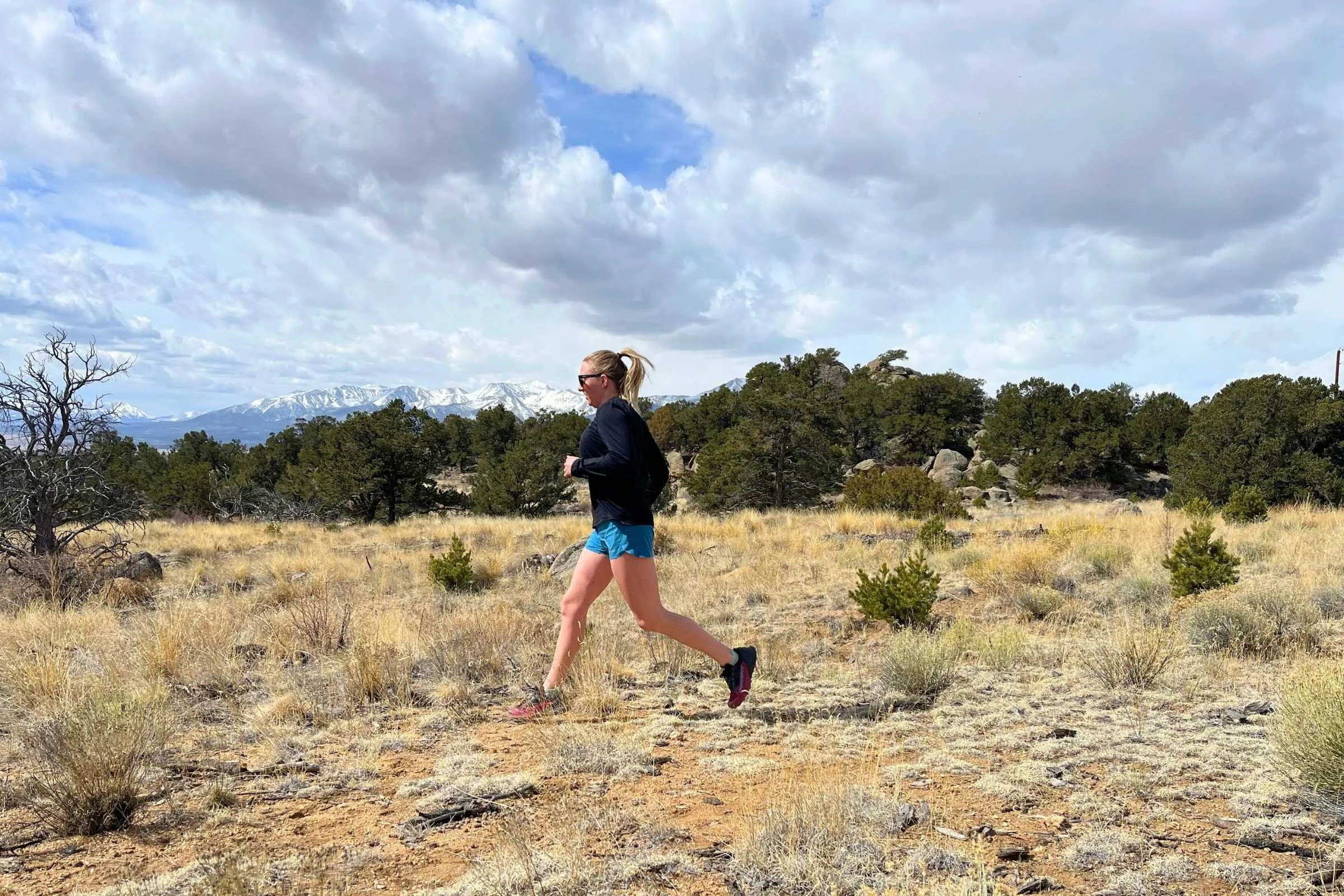
The REI Swiftland 2-in-1 was our standout winner for women after reviewers logged hundreds of miles across road, trail, and gym environments. Its ability to maintain structural integrity and comfort after dozens of wash cycles solidified its place at the top of our 2025 rankings.

Top Performance Picks for Marathon & Speedwork
For high-intensity efforts, every gram counts. Our search for ultra lightweight running shorts for marathon racing led us to models that prioritize evaporative cooling and a split-leg design. A split-leg construction allows for an unrestricted range of motion, which is essential when you are pushing into your terminal velocity during a 5k or maintaining a high cadence during the closing miles of a marathon.
The Janji AFO Middle is a standout in this category, weighing just 4.3 ounces. It utilizes a highly breathable shell that feels almost non-existent against the skin. We specifically targeted these for training in high-humidity environments. Finding breathable running shorts for high humidity summer runs can be the difference between a successful workout and total overheating. The Janji model features perforated waistbands that facilitate vertical airflow, helping to dump heat from the core.
When you are racing, the focus shifts to moisture-wicking synthetic fabrics that won't sag when wet. We looked at how different knit patterns in the liners contributed to airflow. A well-designed brief liner should provide security without the restrictive feel of heavy elastic. For those who prioritize speed, a 3-inch or 5-inch inseam is the industry standard to ensure nothing hampers your stride.

Best Trail Running Shorts with High Utility Storage
Running in the backcountry requires more than just a place for a house key. We looked for durable trail running shorts with multiple utility pockets that could handle the weight of a smartphone, energy gels, and even a 500ml soft flask without the annoying "bounce" that ruins a rhythm.
The Patagonia Strider Pro set the gold standard here, achieving an impressive 8.5 out of 10 score in our pocket utility and comfort categories. We identified it as the lightest lined men's model in our 2025 testing, weighing only 3.40 ounces. Despite its featherweight status, it manages to offer five pockets integrated into the waistband. The rear pocket is centrally located and zippered, which is the most stable position for carrying a phone.
The key to a good trail short is the combination of storage and stability. If the waistband is too thin, it will roll under the weight of a phone; if it’s too thick, it traps heat. The Strider Pro hits the sweet spot.
For technical descents where you are jumping over roots and rocks, having running shorts with secure phone storage that doesn't bounce is paramount. High-performance models often use a wide, yoga-style waistband or internal drawcords to distribute weight. Some specialized trail running shorts even include a DWR coating on the exterior to shed light rain and mud, keeping the shorts from becoming heavy and waterlogged during ultramarathon training sessions.

Budget-Friendly Picks for Daily Training
You don't need a triple-digit budget to find high-quality gear. Our testing revealed that there are excellent options for those seeking the best budget friendly running shorts for daily training. The Adidas Own the Run series consistently outperformed boutique brands that cost twice as much. These shorts use a robust polyester-elastane blend that survives 100+ wash cycles without losing elasticity in the waistband.
Functionality in a budget short often centers on the liner and basic storage. While they might lack the 5-pocket array of an elite trail short, the Adidas model includes a sweat-guard pocket that keeps mobile devices dry and secure. Even at a lower price point, features like flatlock seams are essential. Flatlock seams lay flat against the skin to reduce friction, which is a key component of chafing prevention during long training blocks.
The Decathlon Kiprun 900 is another favorite for value-seekers. It provides a surprisingly technical feel with lightweight fabrics and a comfortable liner. For runners who put in high volume, having three or four pairs of affordable, reliable shorts is often more practical than owning a single pair of luxury shorts.

Comprehensive Buying Guide: Material Science & Fit
Choosing the right pair of shorts involves balancing your physiological needs with the environmental conditions you face. Understanding the technical jargon of modern running apparel will help you make a more informed choice.
Inseam Options: 3, 5, or 7 Inches?
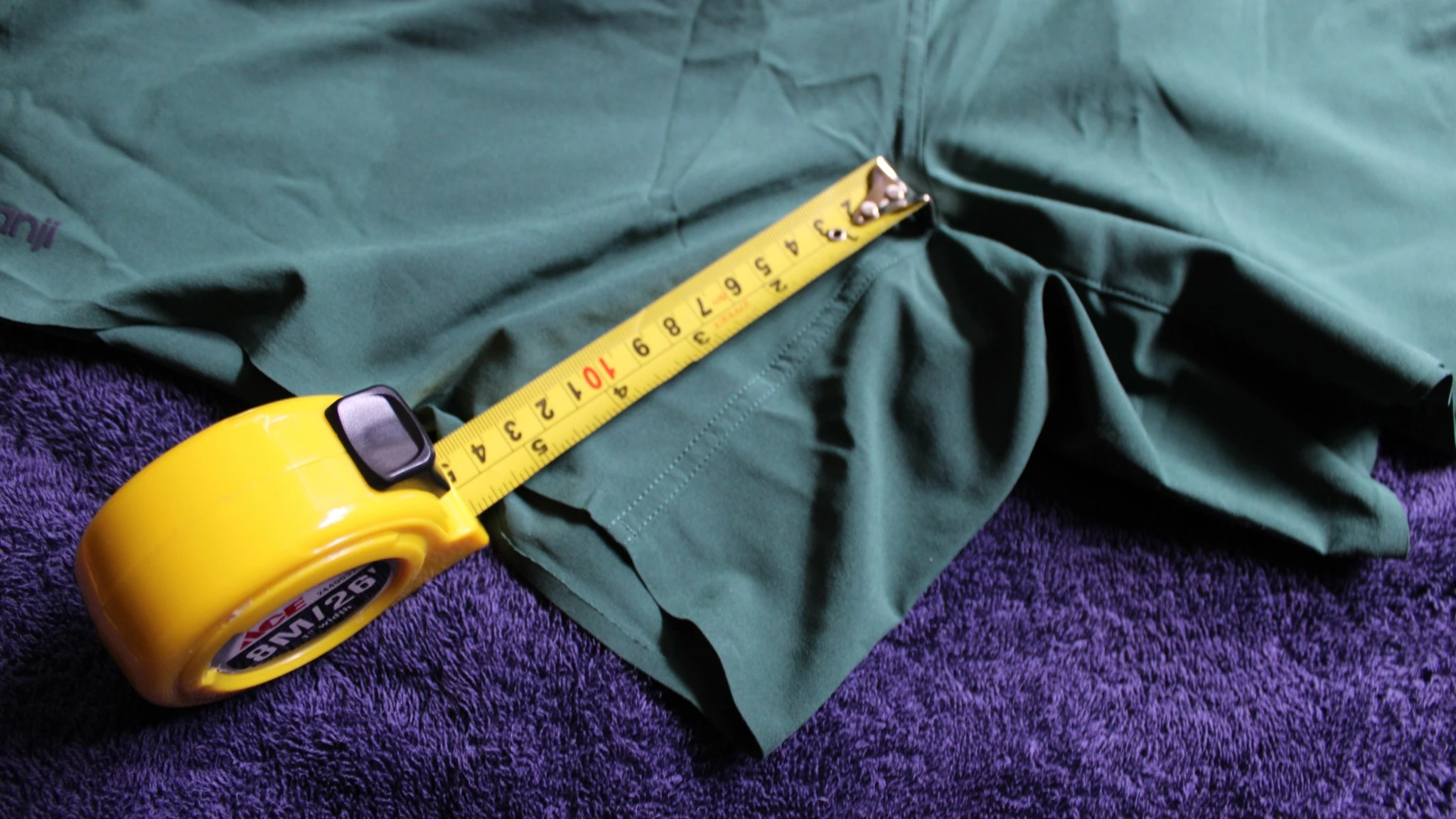
The inseam length significantly impacts both range of motion and environmental protection. Shorter inseams, typically 3 to 5 inches, offer superior airflow and unrestricted mobility, making them the standard choice for marathon racing and high-humidity training. Longer 7 to 9-inch shorts provide enhanced coverage against cold weather and trail vegetation while reducing inner-thigh chafing. Selecting the right length involves balancing your preference for skin exposure with the demands of your running terrain.
Liner Types: Brief vs. 2-in-1
Most dedicated running shorts come with a built-in liner. The primary benefit of running shorts with liner is that they eliminate the need for separate underwear, reducing the number of fabric layers that can cause friction.
- Brief liners: These look like traditional swimsuit liners and offer the most breathability.
- Compression liners (2-in-1): These extend down the thigh. They are popular for those who struggle with thigh-on-thigh friction or those looking for women's high rise running shorts for stomach support and a more locked-in feel.
Specialized Features
High-performance running shorts now feature specialized storage solutions designed to minimize bounce. Look for models with secure zippered rear pockets centered on the waistband to stabilize a smartphone during movement. Hip pockets with elastic closures are ideal for energy gels and small essentials, while internal keyhole pockets provide safe storage for identification or card. Designs with wide, yoga-style waistbands often improve stability when carrying these items.
FAQ
What is the ideal length for running shorts?
The ideal length depends on your running goals. For speedwork and racing, 3-inch or 5-inch inseams are preferred because they allow for maximum leg movement and airflow. For trail running or those who prefer more coverage, 7-inch shorts provide protection against brush and reduce the risk of saddle-style chafing.
Do you wear underwear with lined running shorts?
No, most running shorts are designed to be worn without additional underwear. The built-in liner is specifically engineered to provide support and manage moisture. Adding a second layer of underwear often leads to more heat buildup and increases the likelihood of chafing.
What are the benefits of 2-in-1 running shorts?
The 2-in-1 design features an outer shell paired with an inner compression liner. This provides the support of a compression short with the aesthetic and storage of a standard running short. They are excellent for preventing thigh-on-thigh chafing and often offer more storage pockets on the compression layer itself.
How can I prevent thigh chafing while running in shorts?
The best way to prevent chafing is to choose shorts made from moisture-wicking synthetic fabrics that dry quickly. Look for flatlock seams and consider a 2-in-1 liner or a longer inseam if skin-on-skin contact is your primary issue. Anti-chafe balms can also be used in conjunction with high-quality technical shorts for added protection.
What features should I look for in marathon running shorts?
For marathons, focus on ultra lightweight fabrics and specialized storage. You need enough pocket space for 4-6 energy gels and potentially your phone without the weight causing the shorts to sag. A comfortable, breathable liner is essential since any small irritation will be magnified over 26.2 miles.