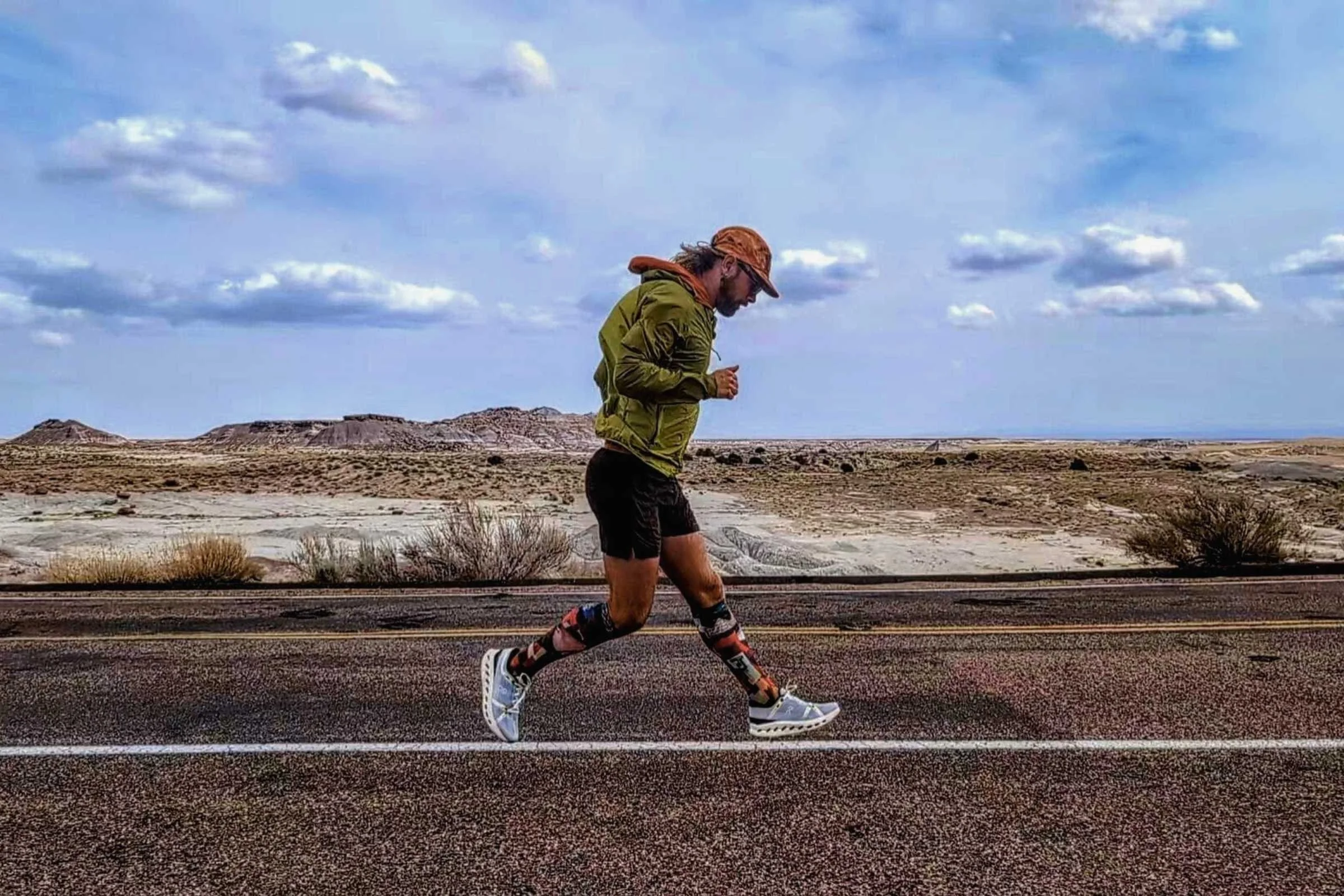
Quick Facts
- Top Overall: Arc’teryx Squamish Hoody ($260, 5.3 oz) providing the best balance of protection and breathability.
- Best Ultralight: Enlightened Equipment Copperfield ($110, 2.3 oz) for gram-counting backpackers.
- Highly Breathable: Montbell Tachyon utilizing a 7-denier fabric for maximum air permeability during high-output activities.
- Durability King: Black Diamond Distance Wind Shell, featuring a specialized finish for high-friction environments.
- Core Purpose: Designed to stop convective heat loss while remaining significantly more packable than traditional rain gear.
- Market Insight: Hooded models currently dominate the industry with a 58.3% market share due to their versatility in shifting mountain weather.
Men's windbreaker jackets are essential for managing convective heat loss. This guide compares wind shells vs hardshells to find your ideal layer for high-output activities, ensuring you stay protected without overheating. These garments are primarily designed to prevent convective heat loss during high-output activities like trail running, cycling, and hiking. Unlike rain jackets or hardshells, windbreakers are typically constructed from a single layer of breathable nylon, making them significantly lighter and more packable. While they lack a waterproof membrane, most include a Durable Water Repellent (DWR) coating that manages light mist and brief showers while maintaining superior air permeability.
| Jacket Model | MSRP | Measured Weight | Fabric Denier | Primary Use Case |
|---|---|---|---|---|
| Arc’teryx Squamish | $260 | 5.3 oz | 30D | Alpine Climbing / Hiking |
| EE Copperfield | $110 | 2.3 oz | 10D | Ultralight Backpacking |
| Montbell Tachyon | $130 | 1.6 oz | 7D | Trail Running |
| BD Distance Shell | $145 | 3.5 oz | 15D | Technical Scrambling |
| Patagonia Houdini | $109 | 3.7 oz | 12D | General Outdoor Utility |
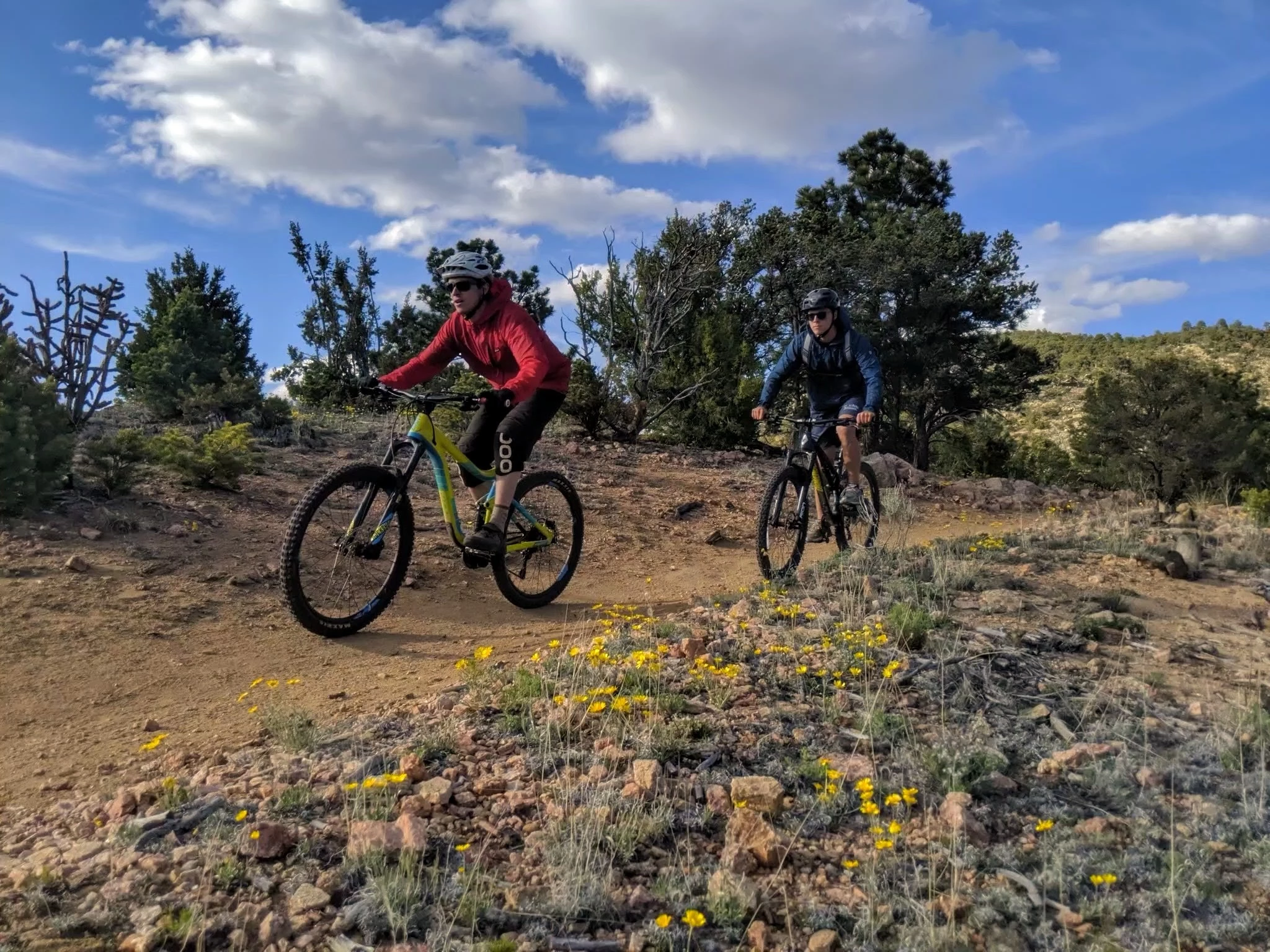
Wind Shell vs. Hardshell: Choosing Your Protection
The distinction between a wind shell vs hardshell is often the most confusing hurdle for newcomers to technical outerwear. When you are looking at men's windbreaker jackets, you are looking at a tool for movement. A wind shell is the preferred choice for alpine climbing and backpacking in fair weather due to its minimal weight and ability to vent sweat during exertion. These jackets serve as a protective barrier against the biting chill of the wind, yet they allow just enough air to move through the fabric to keep your base layers dry.
In contrast, a hardshell used for severe weather or ice climbing utilizes a three-layer construction with a waterproof membrane, offering maximum protection against heavy rain and snow but with reduced breathability and increased bulk. If you are debating a windbreaker vs rain jacket for hiking, consider the forecast. If the day calls for intermittent gusts and high humidity, the windbreaker wins. If you expect a sustained downpour, the hardshell is your only safe bet.
The utility of a wind shell vs hardshell for alpine climbing specifically comes down to the weight-to-warmth ratio. Carrying a 12-ounce hardshell when a 3-ounce wind shell would suffice is energy wasted. Most modern men's windbreaker jackets provide enough atmospheric protection to handle 90% of fair-weather mountain conditions, making them the most versatile piece in a modern layering system.
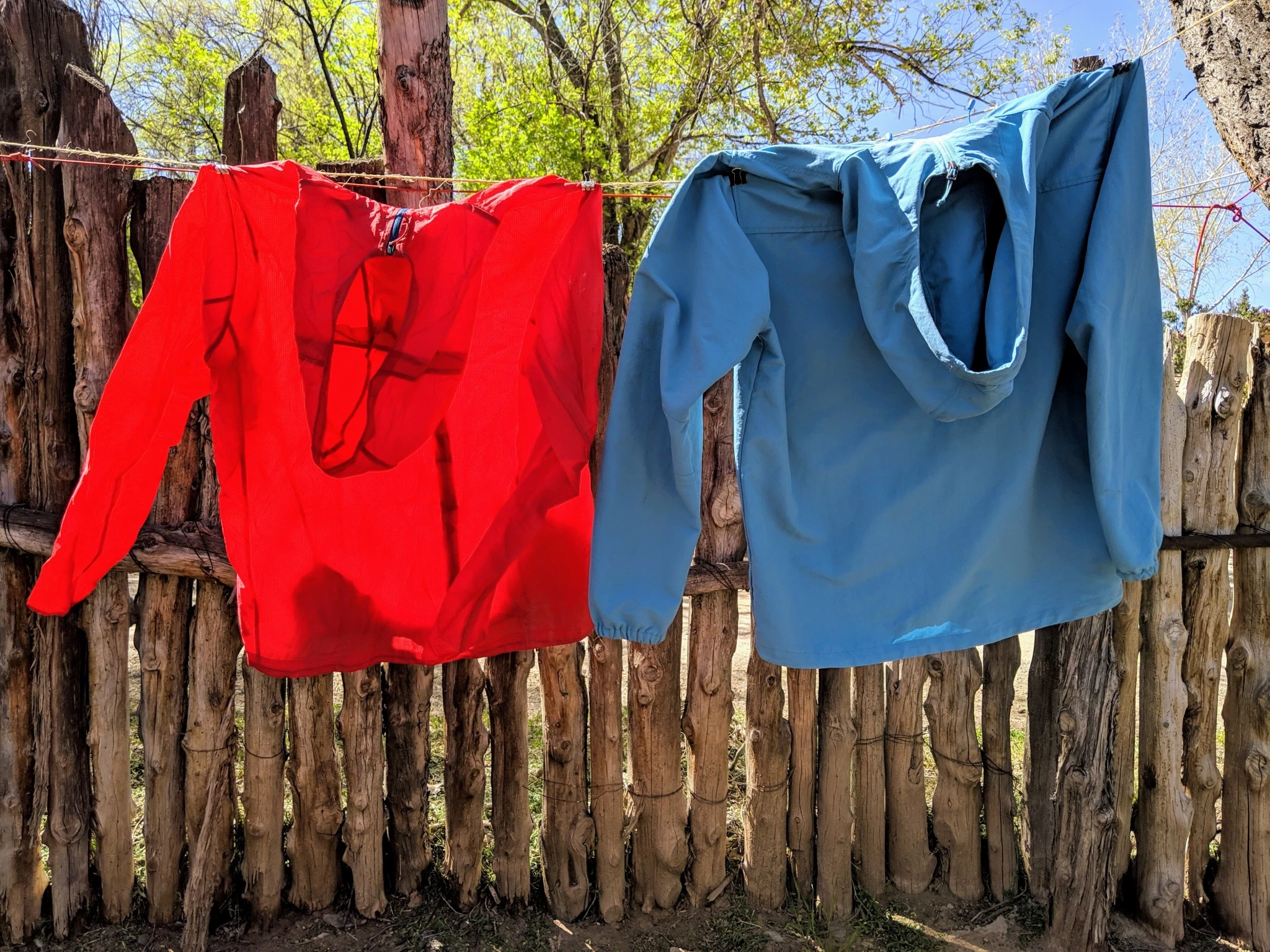
Best Trail Running Windbreakers for Maximum Breathability
For those moving fast through the backcountry, managing internal moisture is just as important as blocking external wind. A breathable windbreaker for trail running needs to strike a delicate balance. If the fabric is too tight, you will end up soaked in sweat; if it is too loose, the wind will cut right through you. High-quality options for trail running frequently feature mechanical venting mechanics, such as laser-cut perforations under the arms or along the spine, to dump heat rapidly.
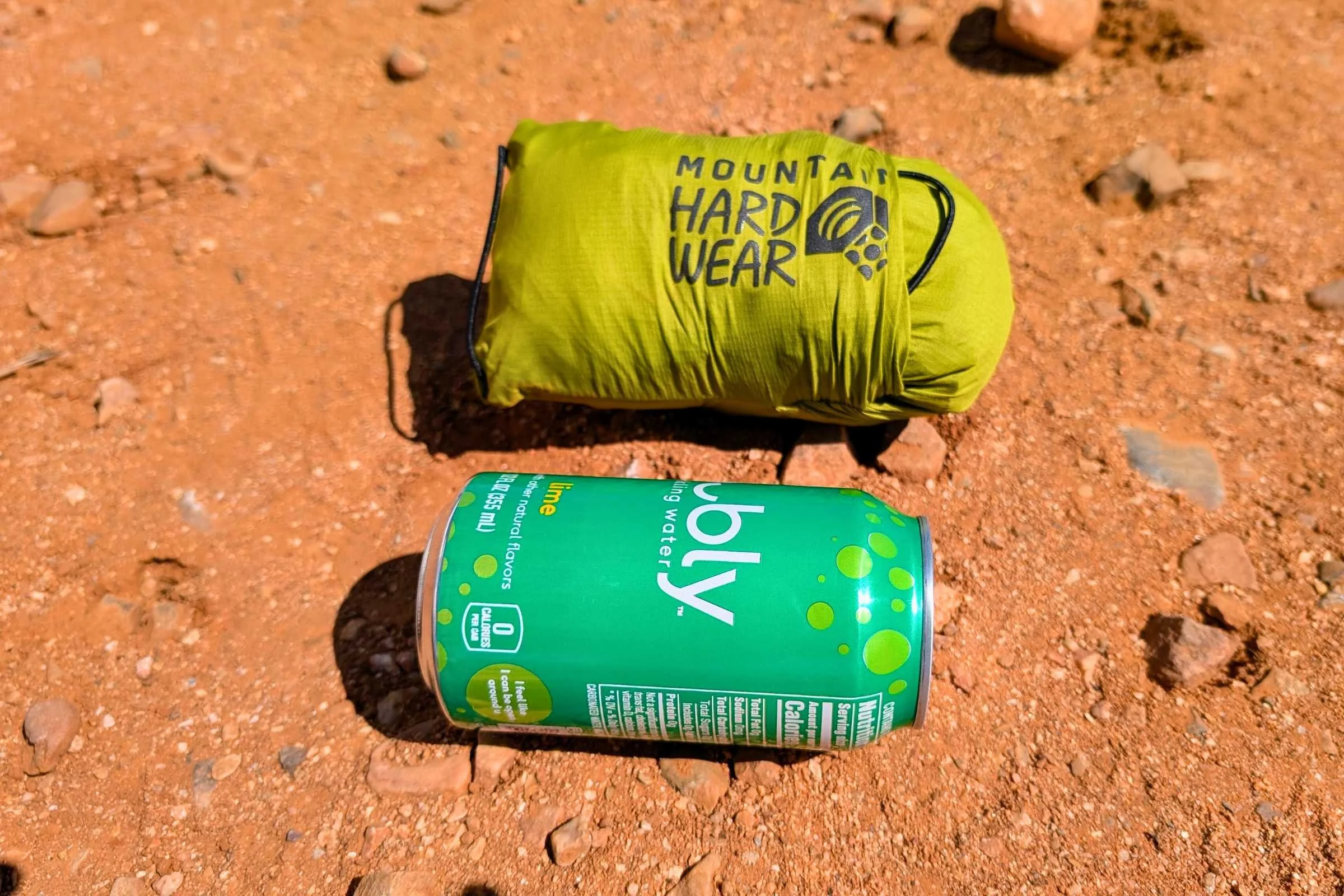
When selecting a breathable windbreaker for trail running men, look for materials like ripstop nylon with a lower denier count. A 7D or 10D fabric offers incredible air permeability, which is the measure of how much air can pass through the material. This allows for excellent moisture-wicking properties, moving the vapor from your skin to the outside world before it can condense. High-mileage runners often prioritize shirts that can compress into their own pocket, frequently no larger than a granola bar, allowing them to stow the jacket mid-stride without breaking their rhythm.

Technical Shells for Climbing and Backpacking
Climbing and backcountry travel demand a higher level of durability. While a trail runner might prioritize weight, a climber needs a jacket that can survive a scrape against sharp granite. Many technical men's windbreaker jackets now integrate a higher-denier ripstop nylon into high-wear areas or use a denser weave throughout. One feature that distinguishes a climbing windbreaker with harness clip loop is its ability to be secured to your gear rack. This allows a climber to quickly pull the shell on while at a belay station without digging into a pack.
For the long-distance traveler, finding the best ultralight windbreaker for backpacking means looking at the total weight and compressibility. Jackets like the Enlightened Equipment Copperfield are designed with a minimalistic approach, removing unnecessary zippers and adjustment cords to save weight. These shells typically weigh less than 3 ounces and offer an incredible weight-to-warmth ratio when paired with a light fleece. The goal in the backcountry utility mindset is to have a layer that provides immediate relief from convective heat loss during rest breaks or on exposed ridgelines.
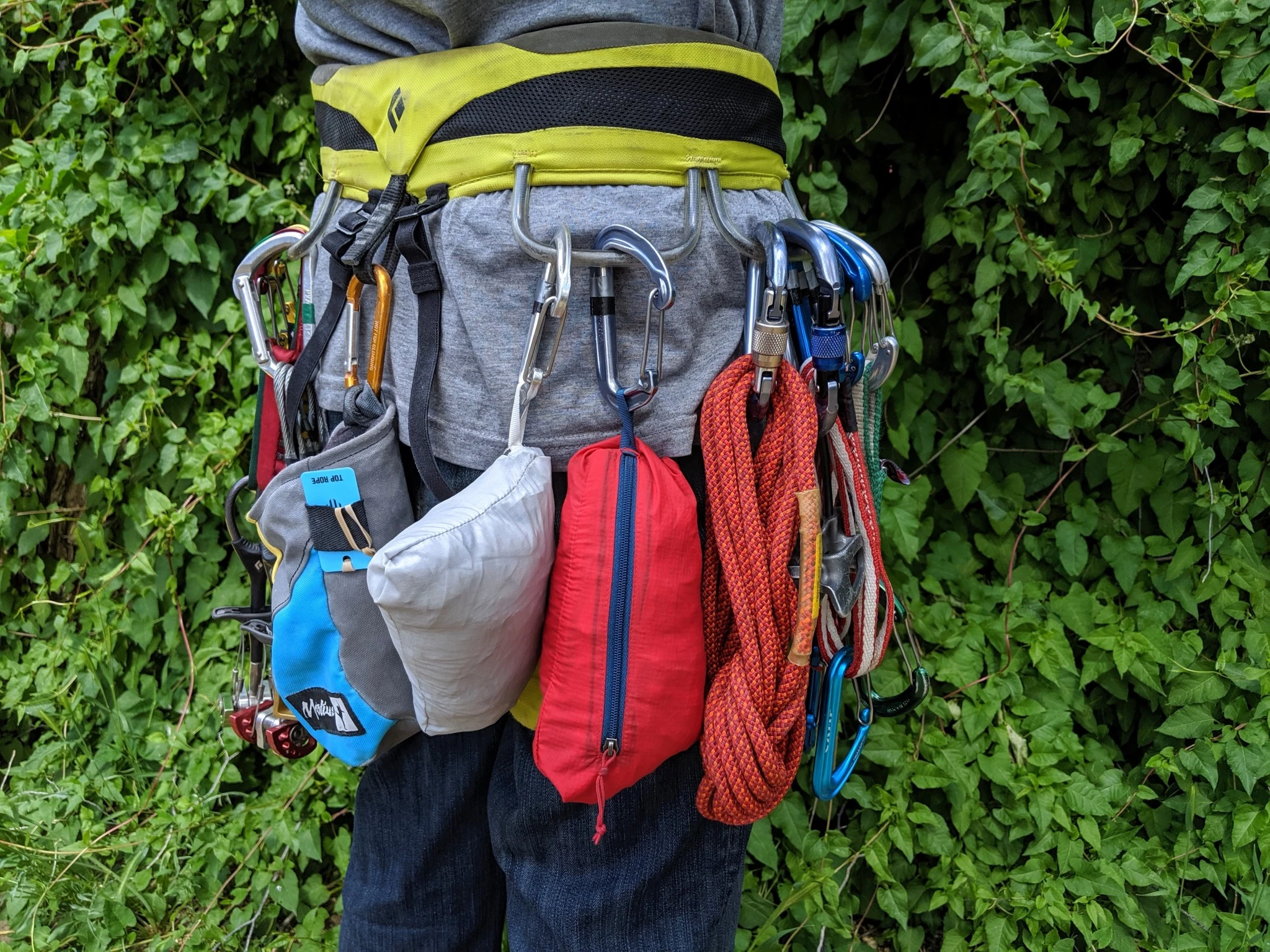
Modern designs have pushed the limits of how small these layers can go. Some of the best technical shells now achieve a packed volume of roughly 5.75 x 3.75 inches. This extreme compressibility ensures that the jacket is never left behind, fitting easily into the smallest running vest or a crowded climbing pack.
Material Science: Denier, DWR, and Sustainability
The performance of men's windbreaker jackets is rooted in the quality of the nylon and the finish applied to it. Fabric density is measured in denier (D), with lower numbers indicating thinner, lighter fibers. A 7D fabric is gossamer-thin and highly breathable, while a 40D or 50D fabric feels more like a traditional jacket and offers significantly more abrasion resistance. The global windbreaker jacket market was valued at approximately USD 4.2 billion in 2024 and is projected to reach USD 7.3 billion by 2033, growing at a compound annual growth rate (CAGR) of 6.7%. Growth is largely driven by these technical advancements in textile durability.
Currently, men's windbreakers represent the largest end-user segment of the industry, accounting for approximately 47.8% of total global market revenue. This massive footprint is pushing manufacturers toward more sustainable practices, including the shift to PFAS-free treatments.
However, even the best Durable Water Repellent (DWR) coatings on windbreaker jackets wear off over time due to dirt, body oils, and abrasion from backpack straps. If your jacket starts absorbing water rather than shedding it, you need to know how to reapply dwr to windbreaker jacket. You can restore water resistance by cleaning the garment with a technical wash and reapplying a spray-on or wash-in DWR treatment. Most treatments require heat-setting in a dryer on a low or medium setting to reactivate the protective polymer chain, ensuring water beads off the fabric rather than saturating the fibers.
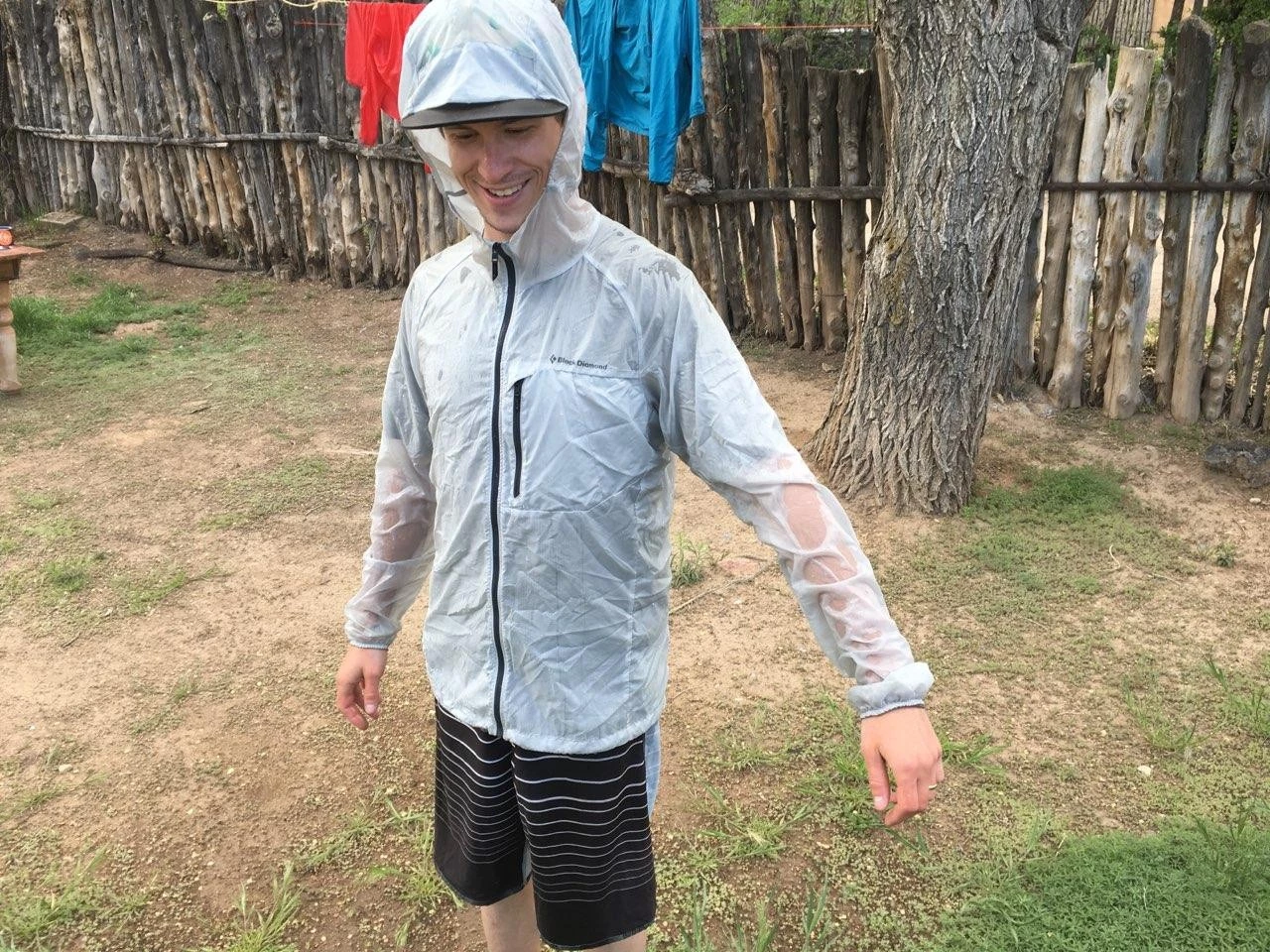
As of 2026, many brands have moved to more environmentally friendly, hooded designs. Hooded windbreakers are the dominant product type in the market, holding a 58.3% share as consumers increasingly prioritize head and face protection during outdoor activities. The integrated hood provides an extra layer of warmth by protecting the neck and ears, which is vital when moving through high-wind environments like mountain passes.
FAQ
What is the purpose of a windbreaker jacket?
A windbreaker is designed to block wind and prevent convective heat loss from your body during active movement. By creating a thin, protective barrier of air, it keeps you warm without the bulk or lack of breathability found in rain jackets. It is an essential layer for high-output activities where you need protection from the elements but are generating a lot of internal body heat.
Is a windbreaker the same as a rain jacket?
No, they are distinct tools. A windbreaker is a single-layer nylon shell that lacks a waterproof membrane, prioritizing breathability and low weight. A rain jacket, or hardshell, features a multi-layer construction with a waterproof/breathable membrane like Gore-Tex. While a windbreaker can handle light mist thanks to its DWR coating, it will eventually soak through in a real rainstorm, whereas a rain jacket is designed for total water protection.
How should a windbreaker fit a man?
A windbreaker should have an athletic but functional fit. It should be roomy enough to fit over a base layer or a light mid-layer fleece, but not so baggy that the fabric flaps excessively in the wind. Ensure the sleeves are long enough to cover your wrists when reaching forward, and check that the hem stays down when you raise your arms, which is particularly important for climbing and cycling.
What is the best material for a windbreaker?
The gold standard for technical windbreakers is ripstop nylon. This material is incredibly lightweight and features a reinforced grid pattern that prevents small snags from turning into large tears. For maximum breathability, look for fabrics with a low denier count (under 20D), while those seeking more durability for rock climbing should look for 40D or higher.
Can you wear a windbreaker in the rain?
You can wear a windbreaker in light rain, mist, or fog. The DWR coating on the outside of the fabric will cause water to bead up and roll off for a limited time. However, because these jackets do not have taped seams or a waterproof membrane, they are not intended for sustained rain. In a downpour, the fabric will eventually saturate, and you will get wet.