Quick Facts
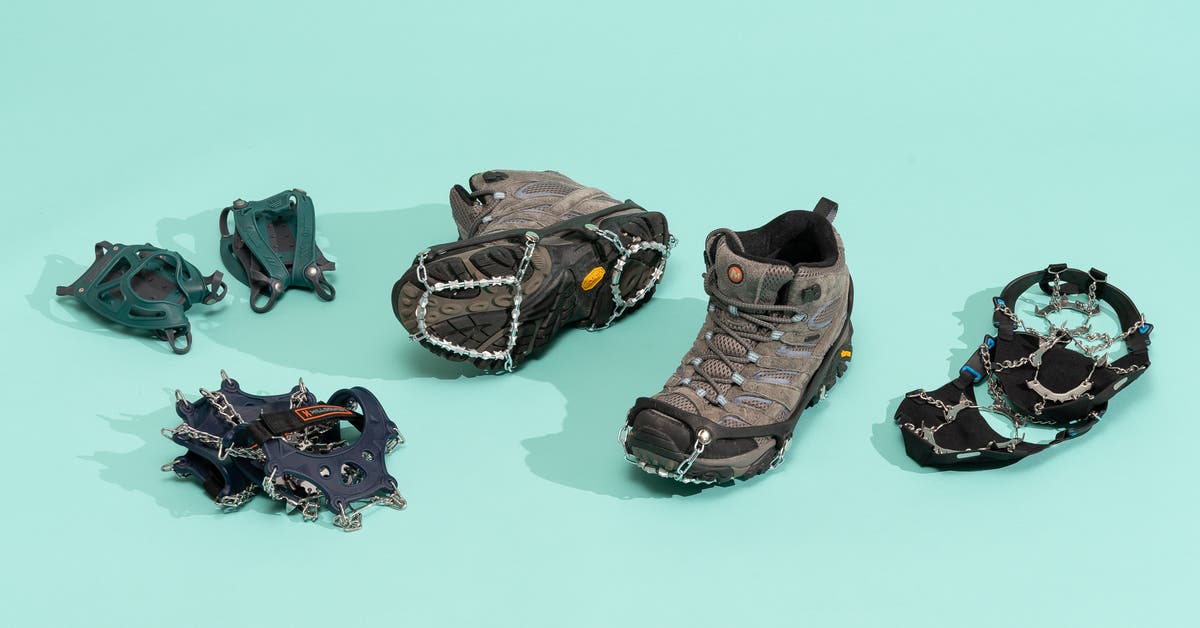
- Top Overall: Unigear Traction Cleats for general versatility and multi-directional grip.
- Best for Hiking: Kahtoola MICROspikes with durable stainless steel spikes for steep slopes.
- Best for Runners: Kahtoola NANOspikes featuring low-profile tungsten carbide studs.
- Budget Pick: Yaktrax Walk utilizing lightweight zinc-coated coils for urban safety.
- Pro Pick: K1 Mid-Sole for industrial workers needing an adjustable mid-sole design.
- Safety Stat: Proper traction gear can decrease the risk of slip and fall accidents by an estimated 50% to 75%.
- Material Focus: High-quality frames use Thermoplastic Elastomer (TPE) to maintain flexibility in extreme cold.
The best ice cleats for 2026 include the Unigear Traction Cleats for overall versatility and the Kahtoola MICROspikes for heavy-duty winter hiking. For those on a budget, the Yaktrax Walk provides effective traction with zinc-coated coils, while the K1 Mid-Sole cleats are ideal for workers who need a rotating design to transition between indoor and outdoor environments. Selecting the right best ice cleats requires balancing the need for slip and fall prevention with the specific terrain you intend to navigate, whether it is a suburban sidewalk or a frozen mountain trail.
As winter sets in, slipping on black ice becomes a major safety risk. According to the CDC, weather-related falls account for a massive portion of winter injuries. Finding the best ice cleats is essential for a safe winter commute or a mountain hike. In this 2026 guide, we test the leading traction devices for shoes to ensure maximum grip on every surface. Statistics show that approximately 97% of all injuries caused by weather conditions are related to slipping on ice.
Understanding the Basics: Ice Cleats vs. Crampons
Before investing in winter gear, it is critical to understand the difference between ice cleats and crampons for winter walking. While both categories are designed to keep you upright, they serve vastly different purposes and vary greatly in weight and construction.
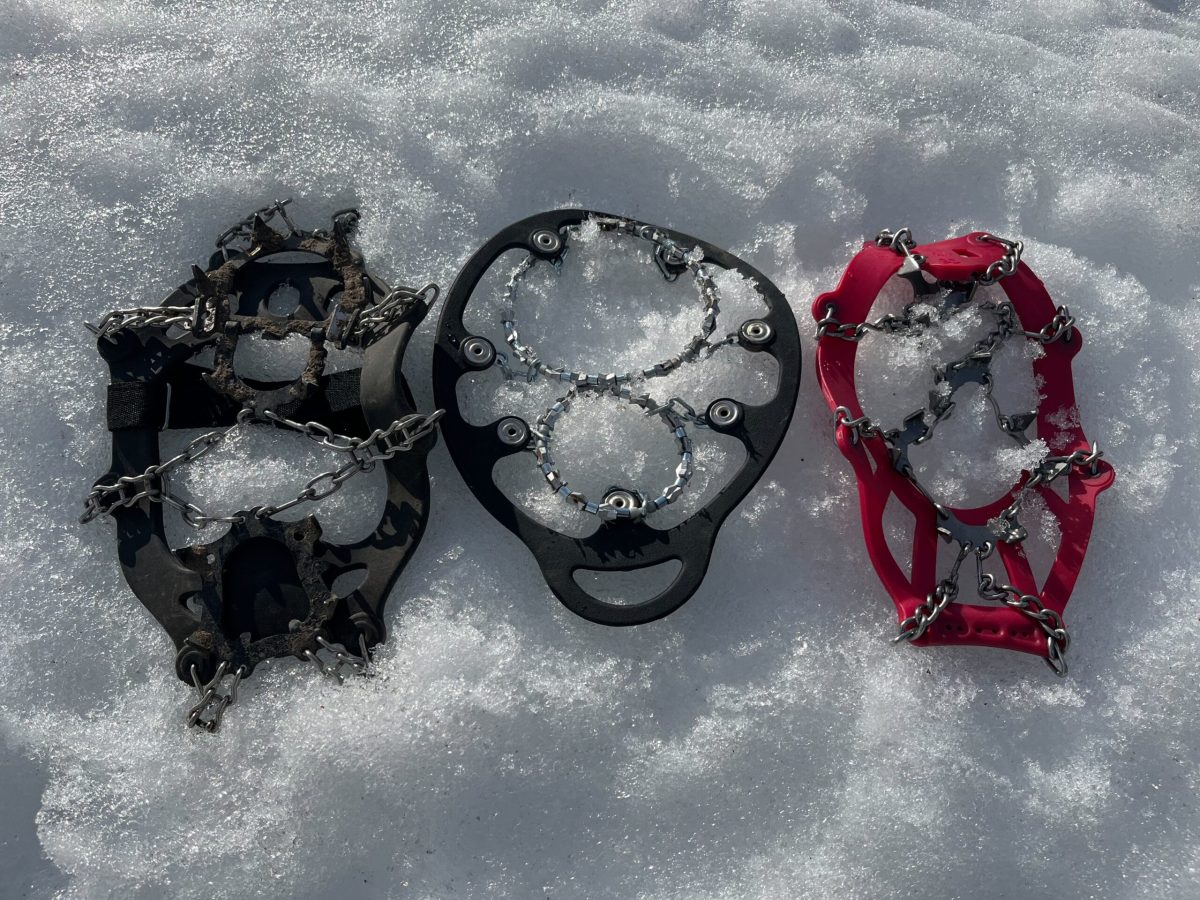
Ice cleats and general traction devices for shoes are designed for flat or moderately rolling terrain. They typically feature small stainless steel spikes, tungsten carbide studs, or zinc-coated coils. These accessories are lightweight and meant to be stretched over standard winter boots or running shoes. They provide excellent security on black ice safety and packed snow without adding significant bulk to your stride.
In contrast, crampons are specialized mountaineering gear. They feature long, sharp steel teeth—often 10 to 12 in number—designed for technical ice climbing and steep alpine ascents. These are much heavier, require specific stiff-soled boots, and would be highly uncomfortable (and potentially dangerous) for walking on a paved city street. For the average user looking for anti-slip footwear for daily activities, best ice cleats are the appropriate choice.
| Model | Spike Material | Weight (per pair) | Best Use Case |
|---|---|---|---|
| Unigear Traction Cleats | Stainless Steel | 1.1 lbs | General Winter Walking |
| Kahtoola MICROspikes | Stainless Steel | 11-14 oz | Winter Hiking/Trail Running |
| Kahtoola NANOspikes | Tungsten Carbide | 8 oz | Road Running |
| Yaktrax Walk | Zinc-Coated Coils | 2-4 oz | Budget/City Commute |
| K1 Mid-Sole | Tungsten Carbide | 6 oz | Industrial/Workplace |
Best Ice Cleats for Every Activity
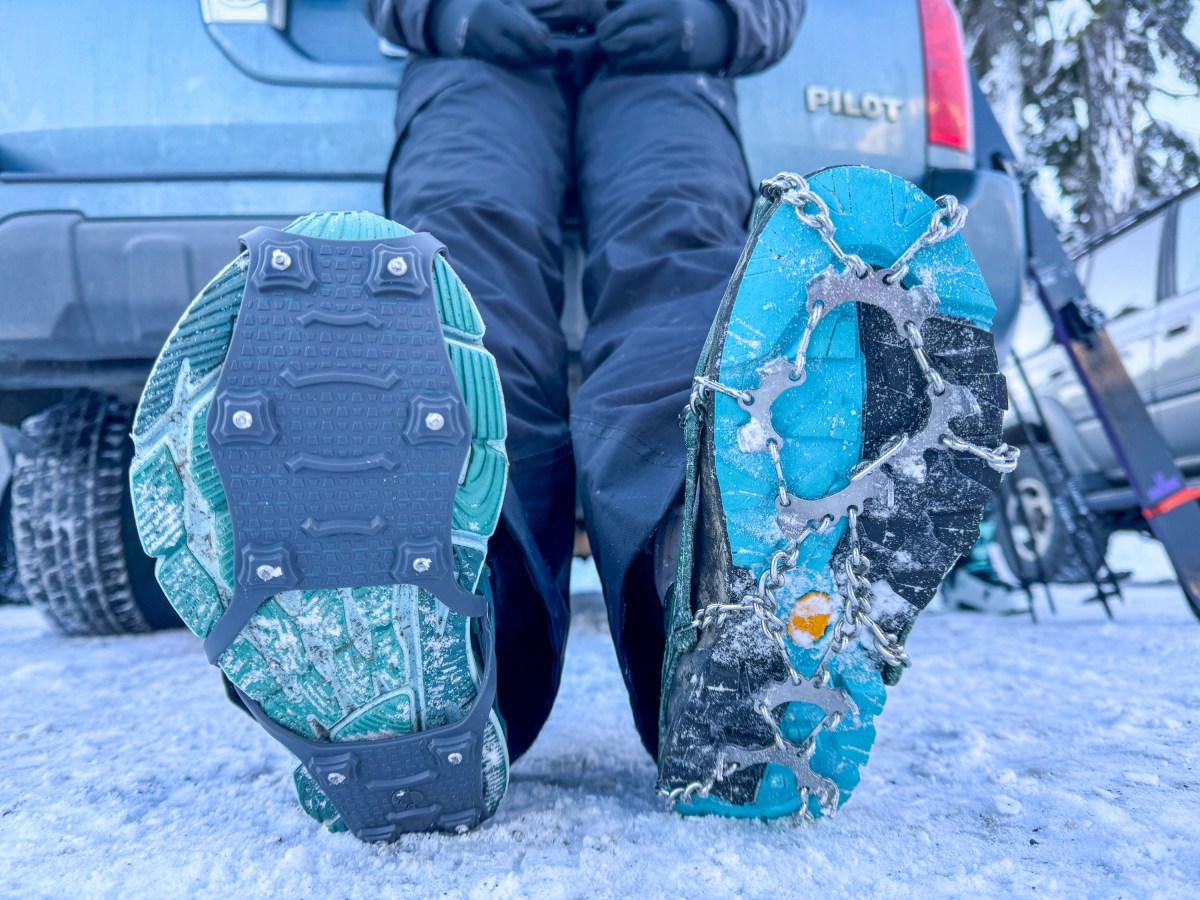
Selecting the right shoe spikes for ice depends entirely on what you plan to do once you step out the door. A hiker needs deep penetration into frozen soil, while a commuter needs something that can be easily removed before entering an office building.
The Winter Adventurer
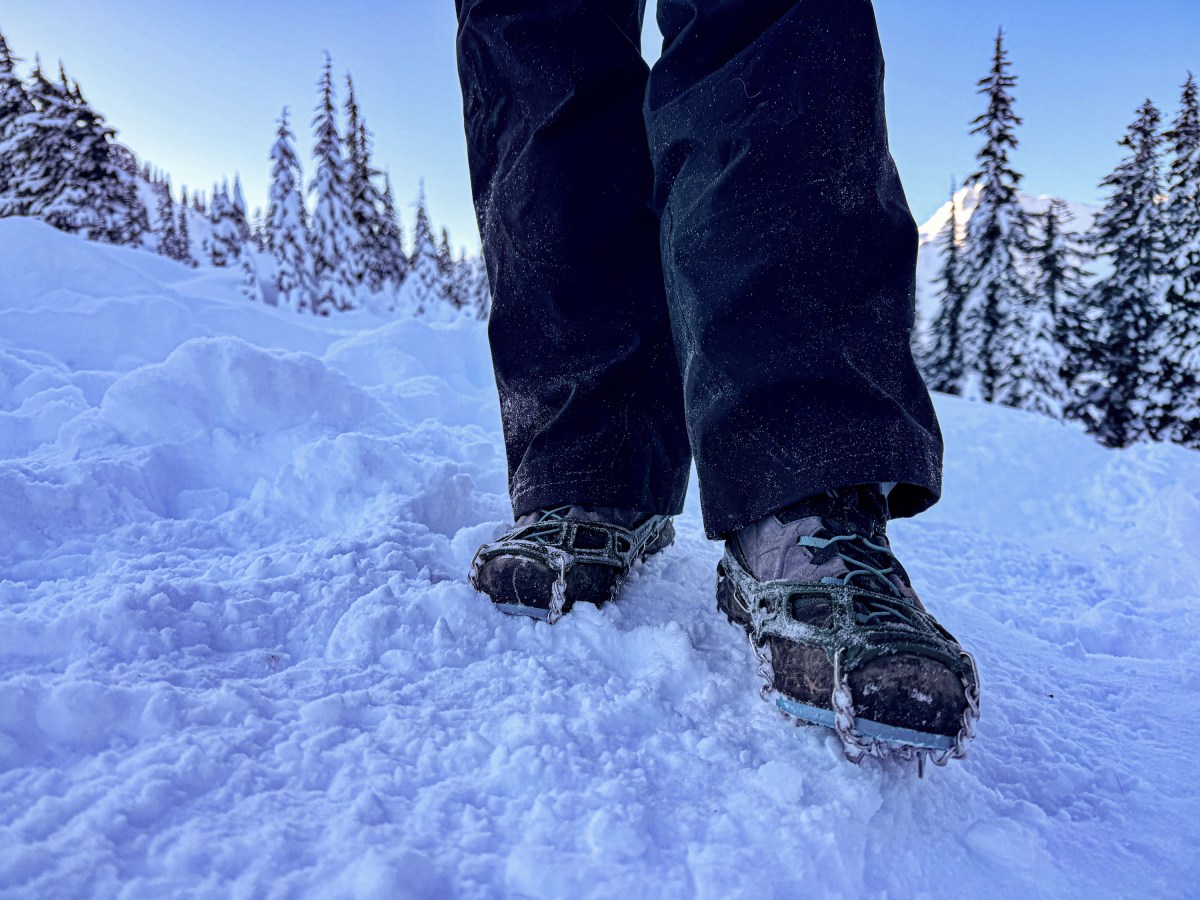
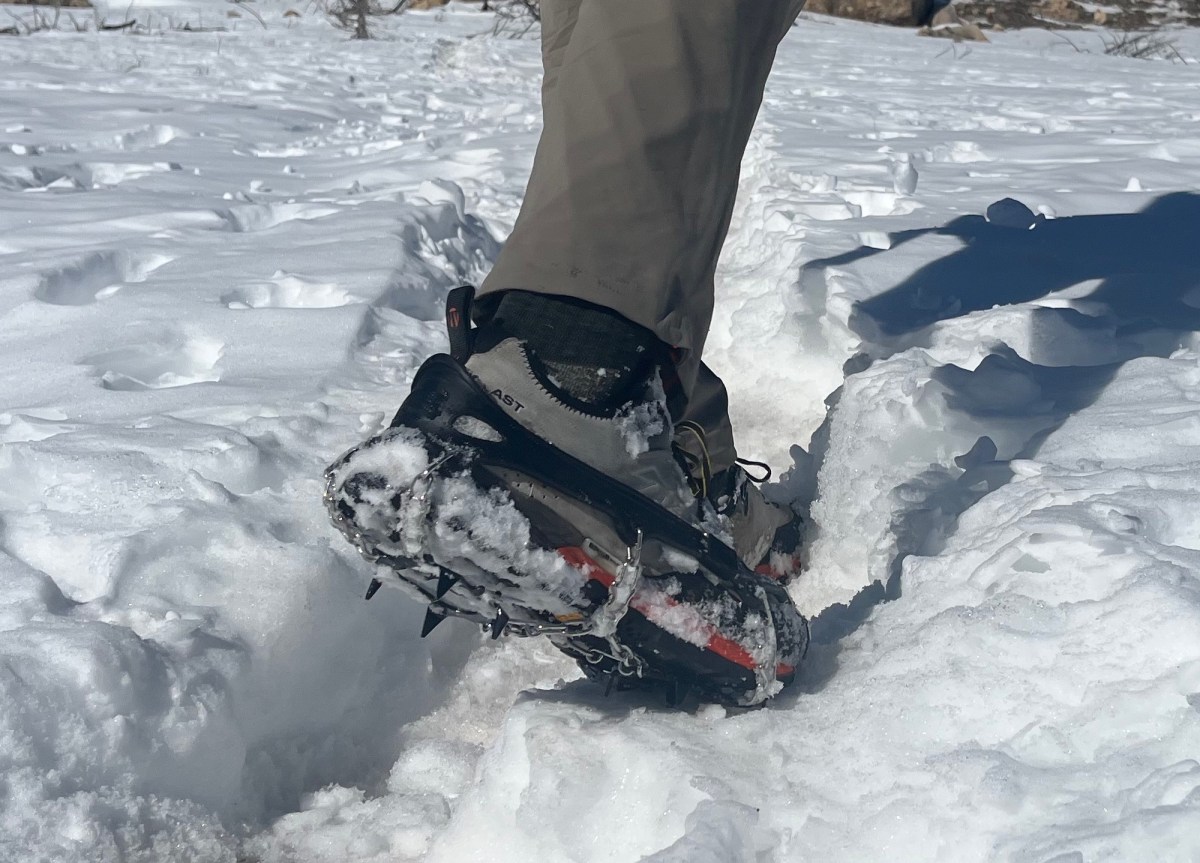
For those who do not let the snow stop their elevation gain, the Kahtoola MICROspikes are the gold standard. In comparative performance testing, these achieved a perfect traction score of 10.0 for their grip on icy paths and packed snow. They utilize thick durable chain links that connect 12 aggressive spikes to a flexible harness. This design ensures that snow does not ball up under your foot, maintaining a consistent heel and forefoot grip even in deep powder.
When selecting best ice cleats for hiking and frozen trails, look for durable materials like stainless steel spikes and thermoplastic elastomer frames that remain flexible in sub-zero temperatures. High-traction models often feature multi-directional spikes or aggressive chains to prevent slips on frozen trails. Ensure a secure fit by choosing a size compatible with your specific winter boots and look for adjustable straps for added stability.
The Ultra-Runner
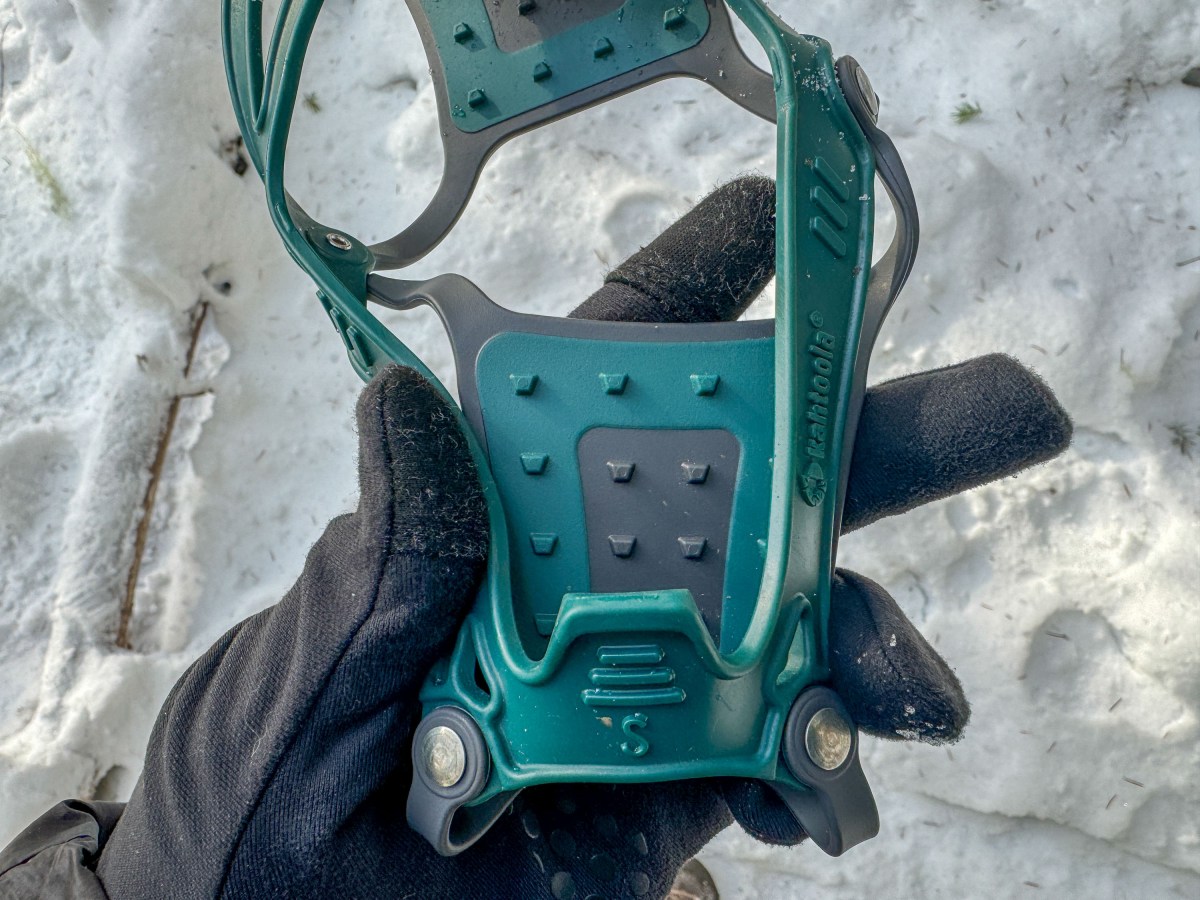
Winter trail running Requires gear that provides traction without altering your natural gait. The Kahtoola NANOspikes are specifically designed for this purpose. Instead of long spikes that might create pressure points on the bottom of a thin-soled running shoe, these use low-profile tungsten carbide studs.
These high traction microspikes for running on ice offer enough bite to handle frozen pavement and thin layers of ice while remaining comfortable for miles of high-impact movement. The Thermoplastic Elastomer (TPE) harness is engineered to stay snug against the shoe, preventing the "shifting" feeling often associated with lower-quality traction devices for shoes.
The Daily Commuter
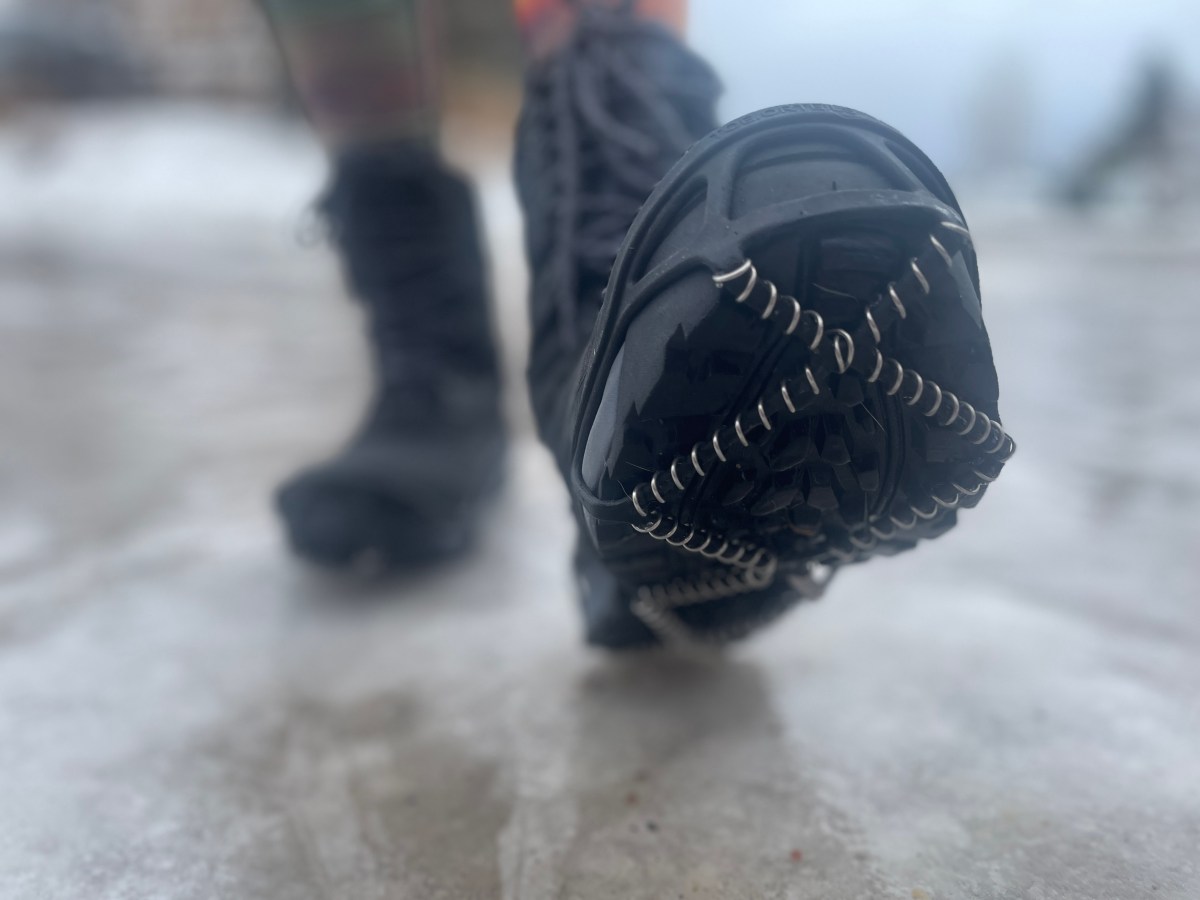
If you are looking for the best budget traction devices for walking on ice and snow, the Yaktrax Walk remains a top recommendation. Rather than using sharp teeth, this model uses zinc-coated coils wrapped around a web of plastic. These slip-on ice cleats for everyday winter commuting are extremely easy to put on and take off, making them perfect for navigating the distance between your car and the office door.
While they may not have the extreme longevity of stainless steel spikes, they provide reliable slip and fall prevention on flat, icy sidewalks. Their lightweight design makes them easy to toss into a bag or glove compartment when not in use.
The Ice Fisher and Industrial Worker
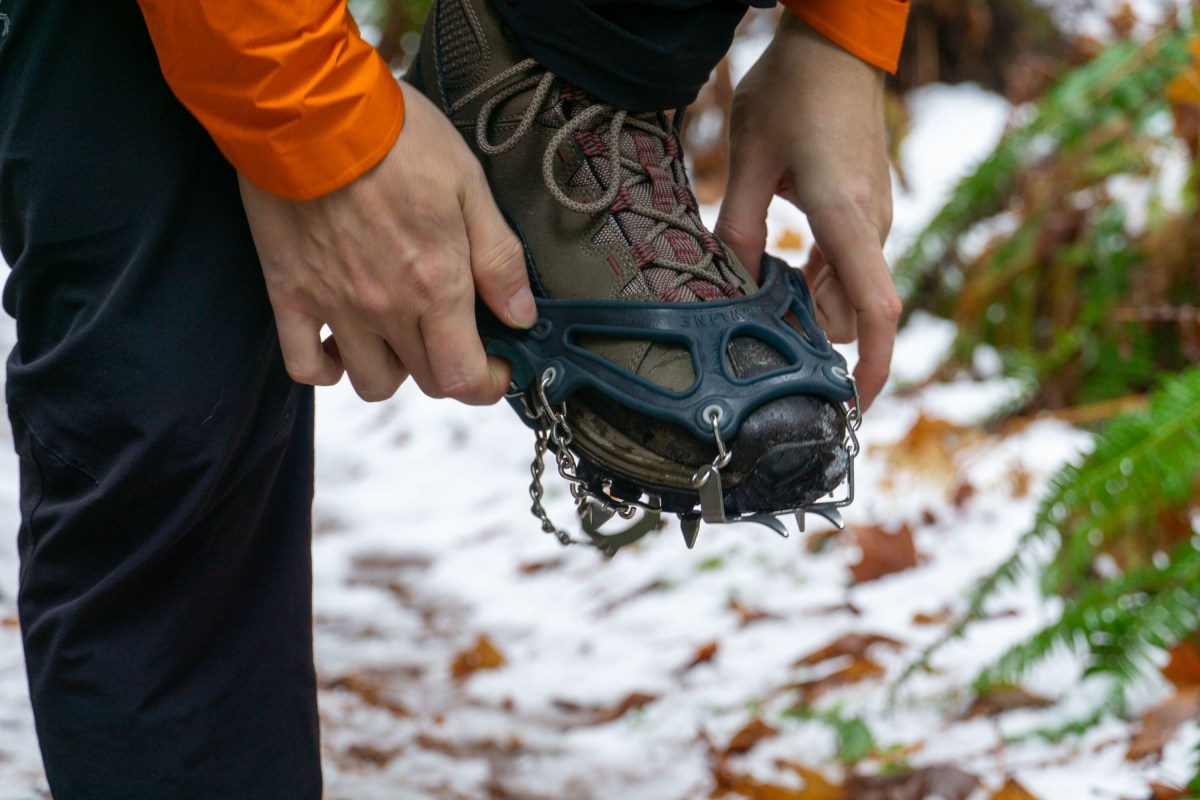
For those spending all day on a frozen lake or a loading dock, heavy duty ice spikes for ice fishing boots are a necessity. Products like the K1 Mid-Sole offer a unique solution: the spikes are located only on the mid-sole. This allows workers to rotate the cleat to the top of the boot when they step inside, avoiding damage to indoor floors or the risk of slipping on smooth surfaces with metal studs.
The use of tungsten carbide studs ensures that the grip remains sharp even after walking on mixed surfaces like gravel or frozen slush. For maximum safety in professional environments, these devices are often color-coded for visibility and feature adjustable straps to fit over heavy-duty work boots.
Testing Methodology: How We Verified Grip
To determine which best ice cleats actually deliver on their promises, our team subjected each model to a series of rigorous tests. We began with a 24-hour cold-soak test, placing the Thermoplastic Elastomer (TPE) harnesses in a commercial freezer set to -30 degrees Fahrenheit. This test is crucial because lower-quality plastics often become brittle and snap when stretched in extreme cold. The top performers remained elastic and resisted tearing even under significant tension.
Field testing took place on a variety of surfaces, including "blue ice," slushy inclines, and deep-packed snow. We paid close attention to spike retention—ensuring that the metal components didn't pop out when walking over hidden rocks—and the durability of durable chain links. Any model that caused the wearer's foot to slide inside the harness was immediately disqualified, as stability is just as important as the traction itself.
Maintenance and Indoor Safety Warning
Owning the best ice cleats is only half the battle; maintaining them ensures they last through multiple winters. After every use, especially in urban areas where road salt is prevalent, rinse your cleats with fresh water. Salt can corrode even stainless steel spikes over time and degrade the elasticity of the TPE frame. Dry them thoroughly before storing them in a cool, dark place away from direct sunlight, which can cause the rubber to crack.
Safety Alert: Never wear metal ice spikes on finished hardwood floors, tile, or polished stone. Not only will the spikes scratch and ruin the flooring, but walking with metal on a hard, smooth surface is incredibly slippery—the spikes act like tiny skates, creating a serious fall hazard. Always remove your traction gear at the door or use a product with a rotating mid-sole design.
By following these simple maintenance steps, you can ensure that your anti-slip footwear remains a reliable partner for many seasons of winter trail running and icy commutes.
FAQ
What is the difference between crampons and ice cleats?
The difference between ice cleats and crampons for winter walking lies in the design and intended terrain. Ice cleats are lightweight accessories with small studs or coils meant for walking on flat or moderately icy terrain like sidewalks and trails. Crampons are specialized mountaineering gear featuring long, sharp steel spikes designed for technical ice climbing and steep alpine ascents where maximum penetration is required.
Are ice cleats worth it for walking on sidewalks?
Yes, ice cleats are highly worth it for city sidewalks, especially when black ice safety is a concern. Sidewalks often have hidden patches of ice under thin layers of snow. Using a lightweight, coil-based or small-stud device provides the necessary grip to prevent a sudden fall without the bulk of heavy hiking gear.
Can you wear ice cleats on concrete or pavement?
While you can wear them on frozen pavement, doing so on dry concrete will accelerate the wear of the spikes or coils. It can also feel unstable, as the metal cannot penetrate the hard surface. If your route is a mix of ice and dry pavement, look for low-profile tungsten carbide studs which handle mixed surfaces better than longer spikes.
What are the best ice cleats for seniors to prevent falls?
For seniors, the best ice cleats are those that are easy to put on and offer a very secure, stable fit. Models with a high-visibility harness and a simple slip-on design, like the Yaktrax Walk or the Unigear models with secondary over-the-foot straps, are excellent. These ensure the device stays centered on the shoe, providing a consistent heel and forefoot grip.
How do you maintain and store ice cleats when they are not in use?
To maintain your gear, rinse them with fresh water after use to remove salt and grit. Dry them completely at room temperature. For long-term storage, keep them in a bag in a cool, dry place out of direct sunlight to prevent the elastomer from becoming brittle or the metal from rusting.