Our Top Picks
- Osprey Atmos AG 65: Best overall comfort for long distances, utilizing a unique suspension design that eliminates pressure points.
- Gregory Baltoro 75: Best for heavy loads, featuring a reinforced frame and customizable fit for expeditions requiring significant gear.
- REI Co-op Flash 22: Best for short excursions, offering a minimalist yet durable solution for those who prioritize speed and agility.
The best hiking backpacks prioritize weight distribution through adjustable suspension systems, padded hip belts, and sternum straps. Advanced models use anti-gravity technology and mesh panels to lift weight off the back or ergonomic foam backings to minimize pressure points. Proper trail ergonomics ensure the pack remains close to the body's center of gravity, which significantly reduces back strain and fatigue during heavy multi-day hauls.
Testing Stats at a Glance
| Model | Measured Weight | Ideal Capacity | Best Use Case | Max Recommended Load |
|---|---|---|---|---|
| Osprey Atmos AG 65 | 4.6 lbs | 65 Liters | Thru-hiking / Week-long trips | 40 lbs |
| Gregory Baltoro 75 | 4.9 lbs | 75 Liters | Multi-day / Heavy gear | 55 lbs |
| Mystery Ranch Glacier | 5.8 lbs | 71 Liters | Expedition / Winter camping | 60 lbs |
| REI Flash 22 | 0.9 lbs | 22 Liters | Peak bagging / Quick ascents | 15 lbs |
| Deuter Aircontact Core | 4.5 lbs | 50+10 Liters | Weekend trips / Versatility | 45 lbs |
Choosing your gear for the trail is a deeply personal decision that balances scientific measurement with the subjective feel of a pack against your spine. In 2024, the industry has shifted away from simply building bigger bags toward building smarter support systems. Whether you are tackling a weekend loop or a thousand-mile thru-hiking journey, the goal remains the same: ensuring that the weight you carry does not become a distraction from the scenery you came to see.
The Science of Comfort: Suspension and Ergonomics
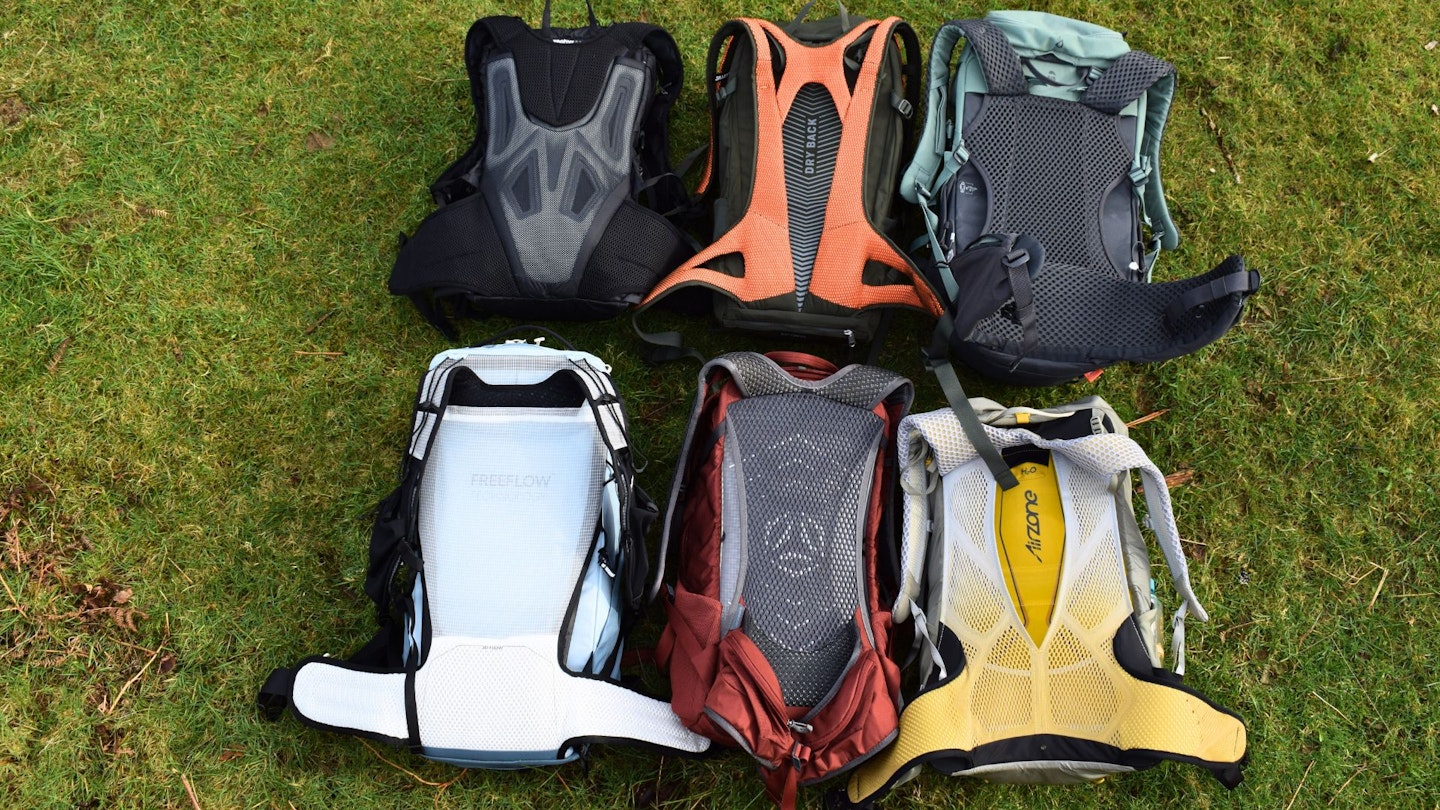
When we talk about comfort in the wilderness, we are really talking about how effectively a pack manages gravity. The traditional approach involved thick foam backings, which offered cushioning but often trapped heat against the skin. Modern trail ergonomics have evolved to offer two distinct paths: tensioned mesh and molded foam. Tensioned mesh, often referred to as a trampoline style backpanel, creates a physical gap between your back and the pack body. This allows for maximum ventilation and creates a "body-hugging" feel that moves with you.
Contrast this with traditional foam frames that rely on internal frame support and contoured channels for airflow. While foam might be slightly warmer, it often provides a more stable carry for extremely heavy loads because it keeps the center of gravity closer to your spine. For those carrying high-volume gear, the Gregory Baltoro 75 is engineered with a FreeFloat A3 suspension system and is specifically rated to support heavy loads of up to 55 pounds while maintaining carrying comfort. This balance between weight distribution and breathability is what separates a premium pack from a budget alternative.
The primary goal of these systems is to transfer approximately 80 percent of the pack's weight to your hips. This is achieved through the use of a load-bearing hip fin and load lifters—the small straps located at the top of the shoulder harness. When tightened, load lifters pull the weight forward, preventing the pack from pulling backward on your shoulders. Without proper weight distribution, even the lightest pack can feel cumbersome and lead to premature fatigue.
Best Multi-Day Packs for Heavy Loads
A typical three-day trek requires a backpack with a capacity of 40 to 60 liters. This range provides enough space for essential gear, food, and extra clothing without encouraging over-packing. Many hikers find that most comfortable multi day hiking backpacks for heavy loads are those that offer a high degree of adjustability. Because no two bodies are shaped the same, the ability to fine-tune the harness height and hip belt width is essential for long-term comfort.
Inclusive design has become a major focus for manufacturers in 2024. We are seeing more women's hiking backpacks with adjustable hip belts specifically contoured to fit a female anatomy, preventing the "digging" sensation that often occurs with unisex models. Furthermore, many brands now offer extended fit options for plus-size hikers, featuring larger harnesses and wider hip belts that accommodate waists up to 52 inches.
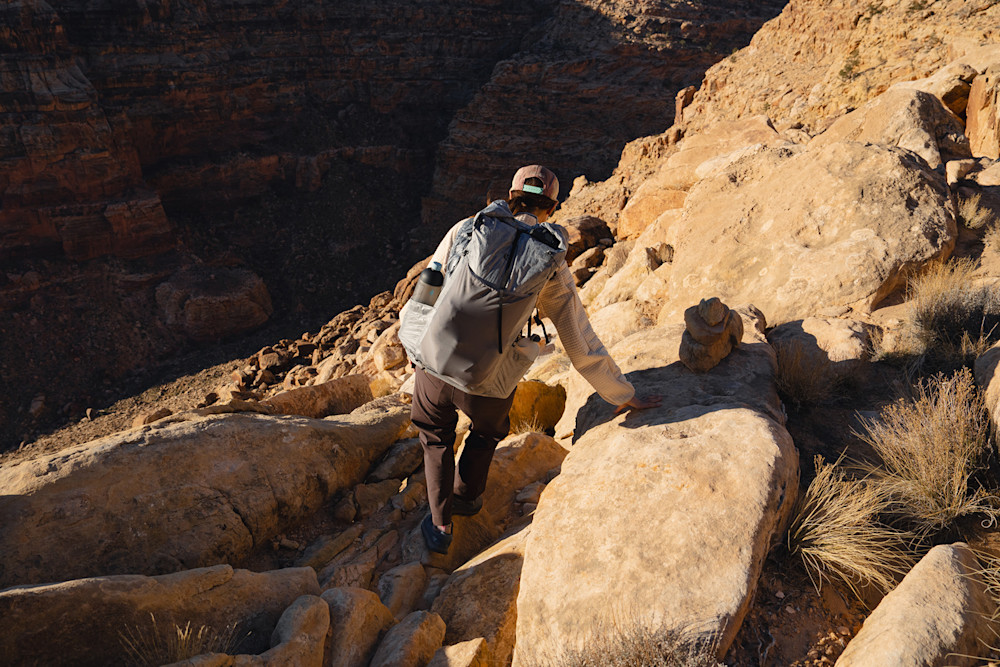
When you are deep into a multi-day trip, the small details of rugged nylon durability and pocket placement become vital. You want a pack that ignores the thorns and rocks of the trail. Using high-denier fabrics on the bottom of the pack ensures it doesn't tear when set down on granite or damp soil. Furthermore, many updated designs include a "shove-it" front pocket, which is a stretchable mesh area perfect for drying out a rain shell or storing a map for quick access. Knowing how to choose a hiking backpack size for a 3 day trip often comes down to evaluating your specific sleep system and kitchen setup; if your tent and sleeping bag are bulky, you may lean toward the 60-liter end of the spectrum.
Lightweight Daypacks for Quick Ascents
Not every adventure requires a week of supplies. For local trail loops or peak bagging where speed and agility are key, lightweight hiking backpacks and daypacks are the tools of choice. High-quality hiking daypacks typically offer between 13 and 25 liters of storage, providing enough room for essentials without adding bulk.
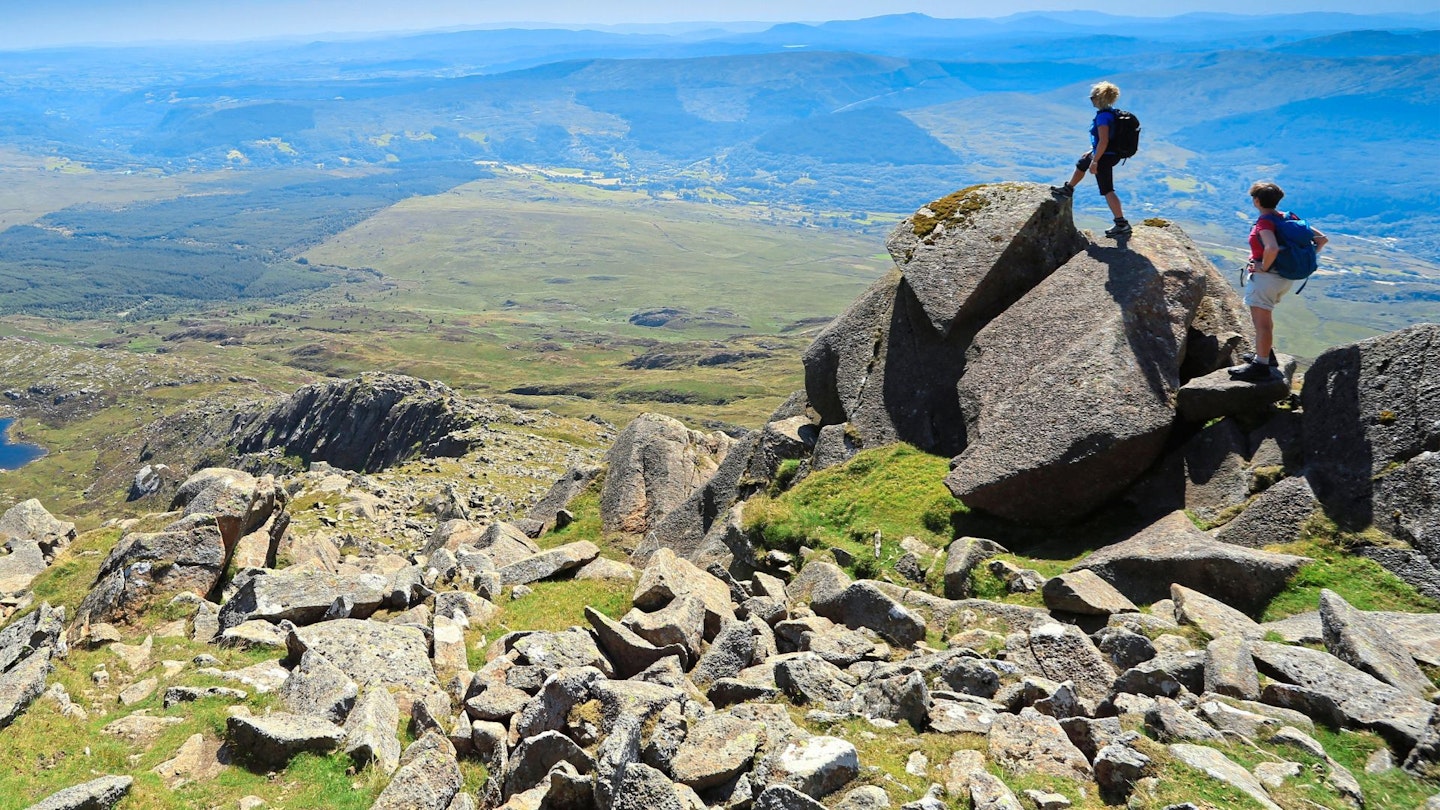
These smaller packs often prioritize features like being hydration bladder compatible and having breathable mesh backpanels. Even on a short four-hour hike, the difference between a soaking wet shirt and a dry back is significant. The best daypacks for hiking use lightweight materials like 70D recycled ripstop nylon, which provides a high strength-to-weight ratio. While they may lack the heavy-duty internal frame support of their larger siblings, they often use a semi-rigid foam sheet to prevent gear from poking into your back.
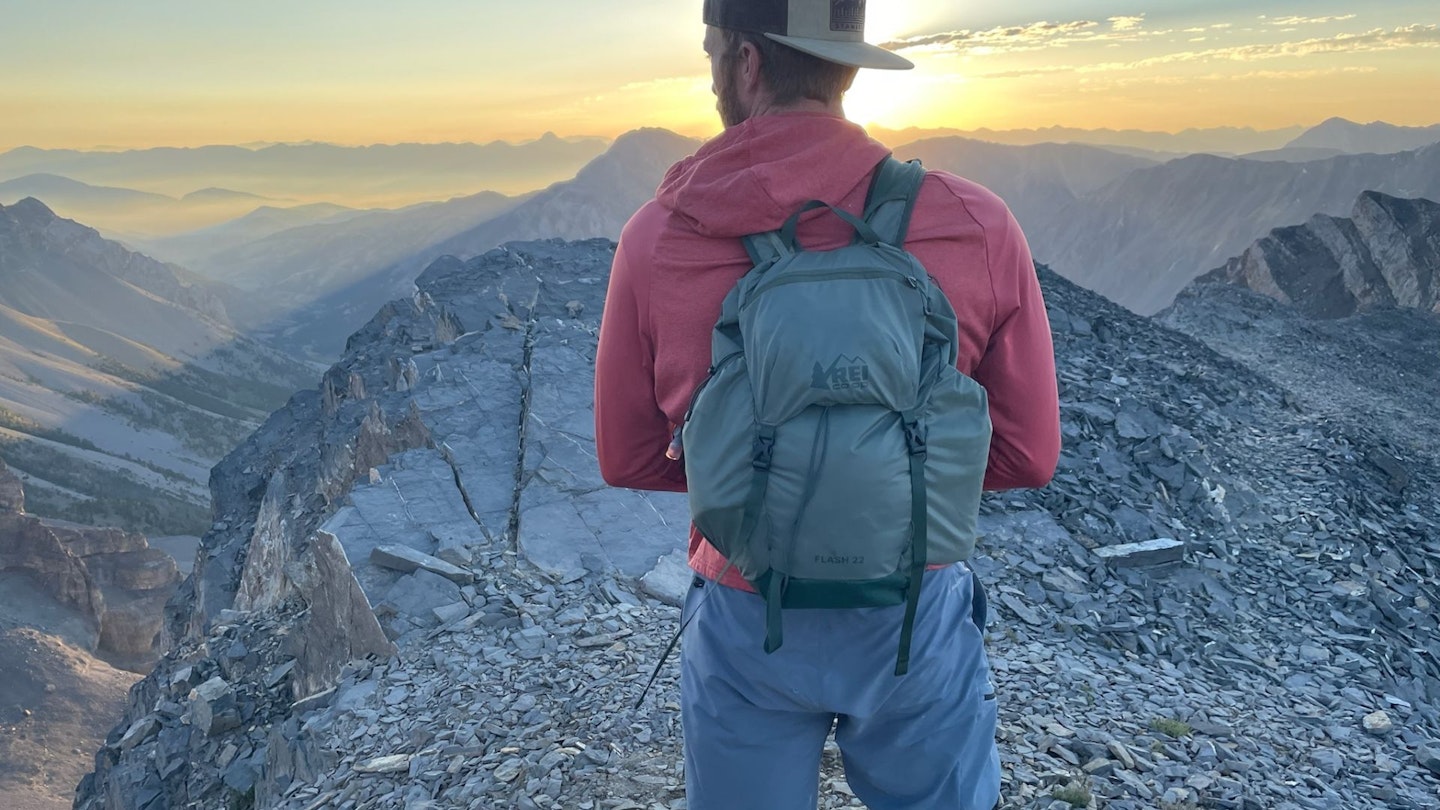
If you are looking for the best lightweight daypacks for hiking with water bottle pockets, pay attention to the depth and elasticity of the side pockets. There is nothing more frustrating than having your water bottle fall out every time you bend over to adjust a boot lace. For those with unique trail needs, specialized options include child carriers with sun protection and specific harnesses designed for carrying four-legged companions.
Backpacking Pack Fit and Adjustment Guide
Finding the right pack is only half the battle; the other half is the backpacking pack fit and adjustment guide that ensures the gear works with your body, not against it. Selecting the right fit requires measuring torso length to ensure the internal frame aligns with the user's anatomy rather than just their height. Two people who are both six feet tall may have vastly different torso measurements, meaning they would require different pack sizes.
Step 1: Measure Your Torso
To find your torso length, have a friend measure along your spine from the C7 vertebra (the bony bump at the base of your neck) down to the iliac crest (the top of your hip bones). This measurement is the most critical factor in determining whether you need a small, medium, or large pack frame.
Step 2: Position the Hip Belt
When putting on the pack, the hip belt should sit squarely on your hip bones, not your waist. The goal is for the padded hip fins to wrap around the "wings" of your pelvis. Once the hip belt is tightened, it should support most of the weight.
Step 3: Adjust the Shoulder Straps
Tighten the shoulder straps so they wrap comfortably over your shoulders, but ensure they are not carrying the bulk of the load. There should be no significant gap between the strap and the top of your shoulder, as this indicates the torso length is too long.
Step 4: Engage the Load Lifters
The load lifters should ideally be at a 45-degree angle from the pack body to the shoulder straps. Pulling these forward will shift the pack's weight toward your center of gravity. Finally, pull the sternum strap across your chest; it should be tight enough to keep the shoulder straps from sliding outward but loose enough to allow for deep breathing during steep climbs. Proper use of this backpacking pack fit guide can make a 30-pound load feel significantly lighter.
FAQ
How do I measure my torso for a proper backpack fit?
To measure your torso, locate the C7 vertebra at the base of your neck and the iliac crest at the top of your hip bones. Use a flexible measuring tape to find the distance between these two points along the curvature of your spine. Most manufacturers provide a size chart that correlates this measurement to a specific pack size. Relying on your total height is a common mistake that leads to poor fit.
How many liters should a backpack be for a multi-day hike?
For a typical 2 to 3-day trip, a capacity of 40 to 60 liters is standard. This provides enough room for a tent, sleeping bag, stove, and several days of food. If you are planning for a week or longer, or if you are carrying bulky winter gear, you may want to look into packs ranging from 65 to 80 liters.
How should a hiking backpack fit on your hips?
A hiking backpack should sit higher than a standard belt. The padded section of the hip belt should wrap around the top of your hip bones, known as the iliac crest. When tightened, the belt should feel secure enough to transfer the weight from your shoulders to your legs without slipping down as you walk.
How much weight can a typical hiking backpack carry comfortably?
The comfort threshold varies by model. Lightweight packs are usually rated for 20 to 30 pounds, while heavy-duty expedition packs like the Gregory Baltoro 75 are rated for up to 55 pounds. Exceeding the manufacturer's recommended weight limit can cause the suspension system to collapse, leading to shoulder pain and back strain.
Is a 40L backpack big enough for a weekend trip?
Yes, a 40L pack is generally sufficient for a weekend trip if you use modern, compact backpacking gear. It requires careful packing and a minimalist approach to clothing. If you have older, bulkier equipment, you might find a 50L or 60L pack more forgiving for a 2-night stay.