Our Top Picks
- Overall Best: La Sportiva TX4 EVO. A durable, resoleable powerhouse that offers the best balance of lateral stability and comfort for those with wider feet.
- Best for Packability: La Sportiva TX2 EVO. Exceptionally lightweight at just over one pound, featuring unique heel pull loops for clipping to a harness on multi-pitch routes.
- Best for Technical Edging: Black Diamond Technician Pro. Features a precise lace-to-toe design and a stiff climbing zone sole for high-angle performance.
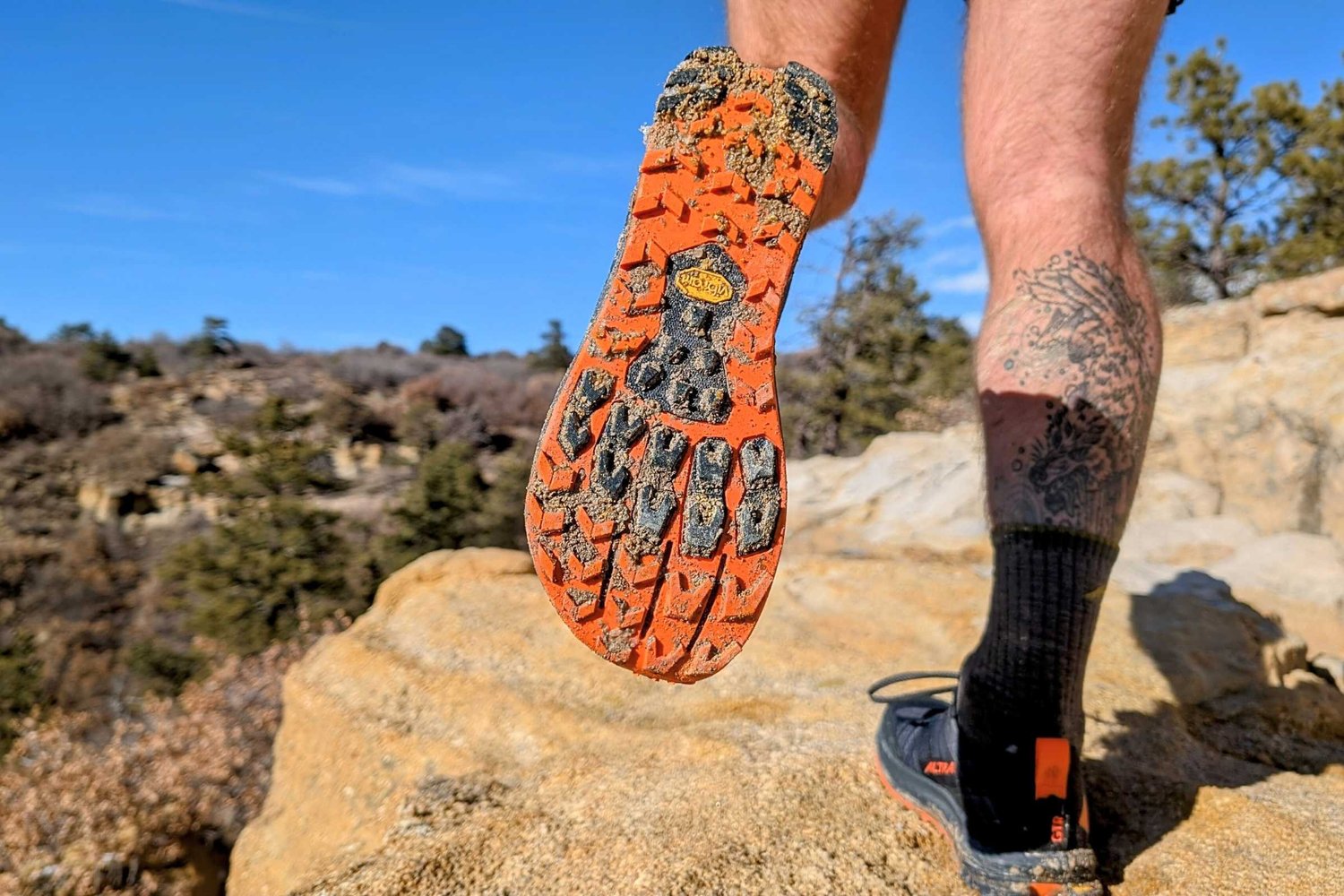
Approach shoes are specialized hybrid footwear designed for the transition between hiking and technical rock climbing. Unlike standard hiking shoes, they feature sticky rubber compounds like Vibram Megagrip and specialized climbing zones at the toe for better friction on rock. These shoes prioritize rock smearing performance and sensitivity, making them essential for technical scrambles and multi-pitch descents where traditional boots lack grip. The best approach shoes for technical terrain are selected based on traction, sensitivity, and packability.
| Model | Best For | Weight (Pair) | Rubber Type | Key Feature |
|---|---|---|---|---|
| La Sportiva TX4 EVO | All-Around/Durability | 1 lb 12.6 oz | Vibram Megagrip | Resoleable platform |
| La Sportiva TX2 EVO | Packability/Sensivity | 1 lb 2.3 oz | Vibram Idrogrip | Integrated harness loops |
| BD Technician Pro | Technical Edging | 1 lb 8 oz | BD BlackLabel Mountain | Narrow precision fit |
| La Sportiva TX Guide | Speed/Precision | 1 lb 8.6 oz | Megagrip/Idrogrip Mix | Running shoe feel |
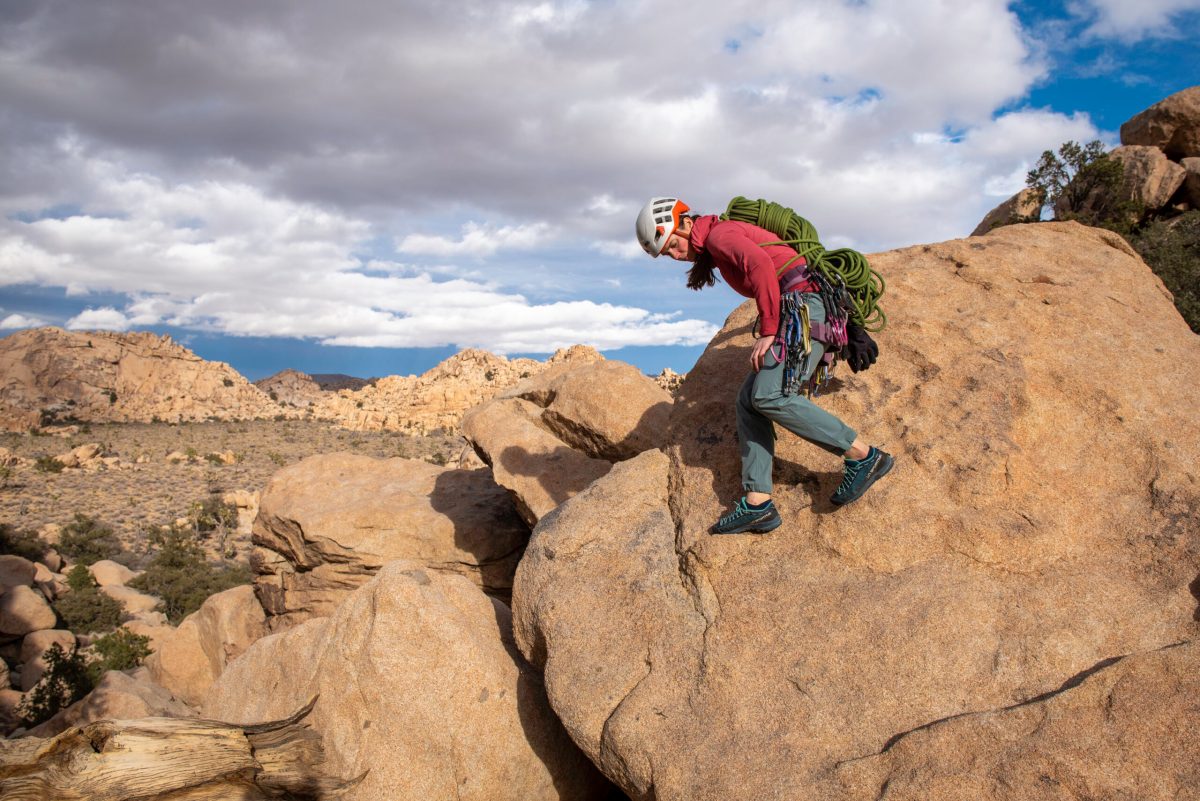
Technical Scrambling vs. Hiking: Why Specialized Footwear Matters
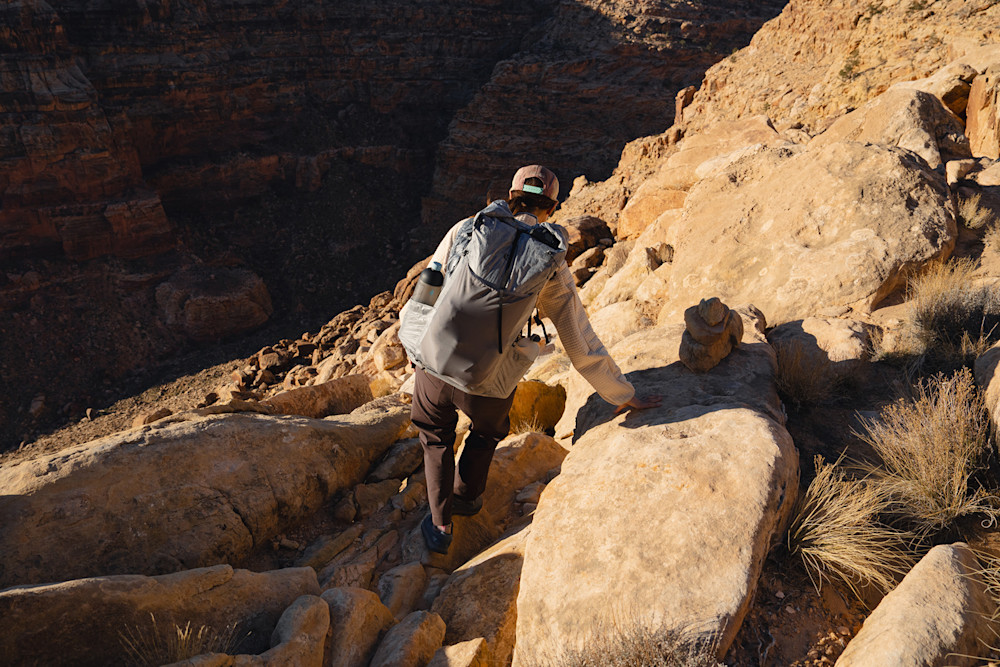
When we head into the mountains, the choice of footwear often dictates where we can safely go. In our testing across the High Sierra and the Tetons, we found that a standard hiking boot often feels like a liability once the trail ends and the granite begins. This shift in terrain is why the global climbing footwear market was valued at $581.80 million in 2023 and is projected to reach $830.18 million by 2030. As more hikers venture into class 3 and 4 scrambles, the demand for specialized performance gear has skyrocketed.
When comparing approach shoes vs hiking shoes, the primary difference lies in the rubber compound and sole design. Most hiking shoes use harder rubber intended for longevity and traction in mud or loose soil. In contrast, scrambling shoes utilize sticky rubber compounds optimized for friction on granite slab traction. Furthermore, approach shoes often feature a lace-to-toe design to provide a secure, restrictive fit that prevents the foot from shifting during technical moves. While you sacrifice total comfort on long, flat trail miles, you gain the rock smearing performance necessary for steep terrain.
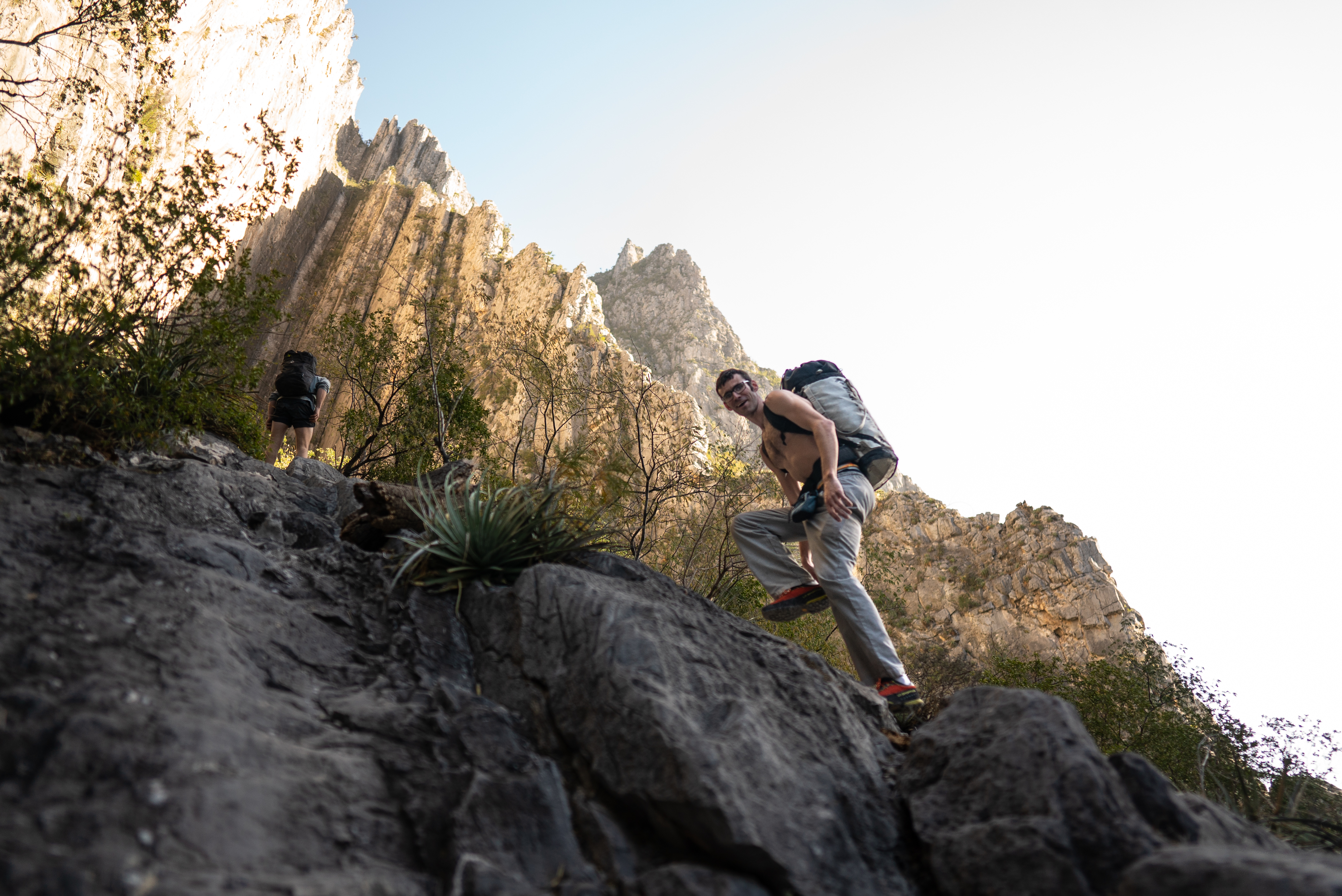
The Best All-Around: La Sportiva TX4 EVO Review
The TX4 has long been a staple in the climbing community, and the EVO version cements its status as one of the best approach shoes ever made. In our performance testing, we were impressed by the massive toe rand protection, which shields the leather upper from abrasive cracks. What sets this shoe apart is its wider platform, making it the best approach shoes for wide feet and comfort during long approaches.
The standout feature of the EVO model is the resoleable nature of the platform. By using a specialized insert, a cobbler can easily replace the sole, making these resoleable approach shoes for long term use. For technical scrambles, the TX4 EVO provides excellent lateral stability, ensuring your foot doesn't roll when you are standing on small edges. While it is heavier than some ultralight models, the durability and support make it our top choice for big days in rugged terrain.
Pros
- Outstanding grip on both wet and dry rock.
- More comfortable for wide feet than most technical models.
- Highly durable leather construction with a wrap-around rand.
Cons
- Heavier than mesh-based alternatives.
- Can feel bulky on smaller rock features.
Best for Multi-Pitch & Packability: La Sportiva TX2 EVO
If your goal is to climb a multi-pitch route and carry your shoes on your harness for the descent, the TX2 EVO is unbeatable. Weighing in at approximately 1 pound 2.3 ounces per pair, it is one of the lightest technical models on the market. We found it offers incredible sensitivity, making it one of the best sensitive approach shoes for technical rock feel currently available.
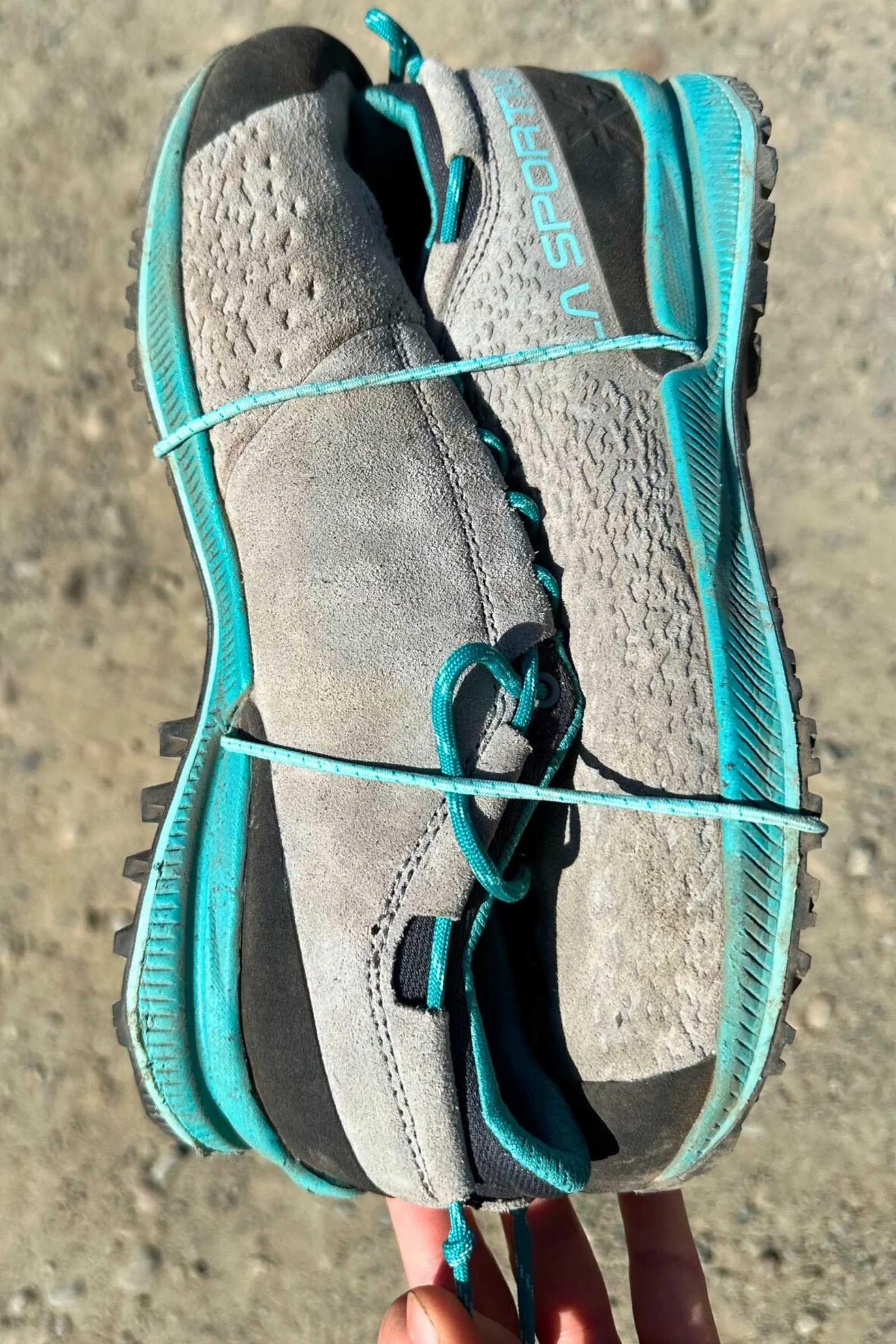
The TX2 EVO is specifically designed for technical descents and low-class technical climbing terrain. It features a unique C2 ComboCord system—elasticated heel pull loops that allow you to clip the pair together tightly so they don't dangle awkwardly while you are climbing. While the mesh upper is breathable, keep in mind it doesn't offer the same level of protection as leather when jamming your feet into sharp cracks. This model is perfect for those seeking lightweight packable approach shoes for multi-pitch climbing where every gram counts.
Pros
- Incredible packability with integrated heel loops.
- Exceptional smearing capability due to a flexible sole.
- Highly breathable for summer approaches.
Cons
- Minimal cushioning for long walks with a heavy pack.
- Upper material is less durable than leather.
High-Performance Edging: Black Diamond Technician Pro
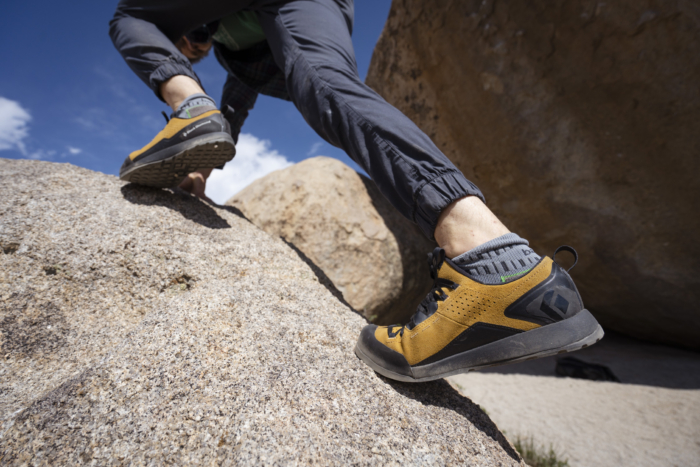
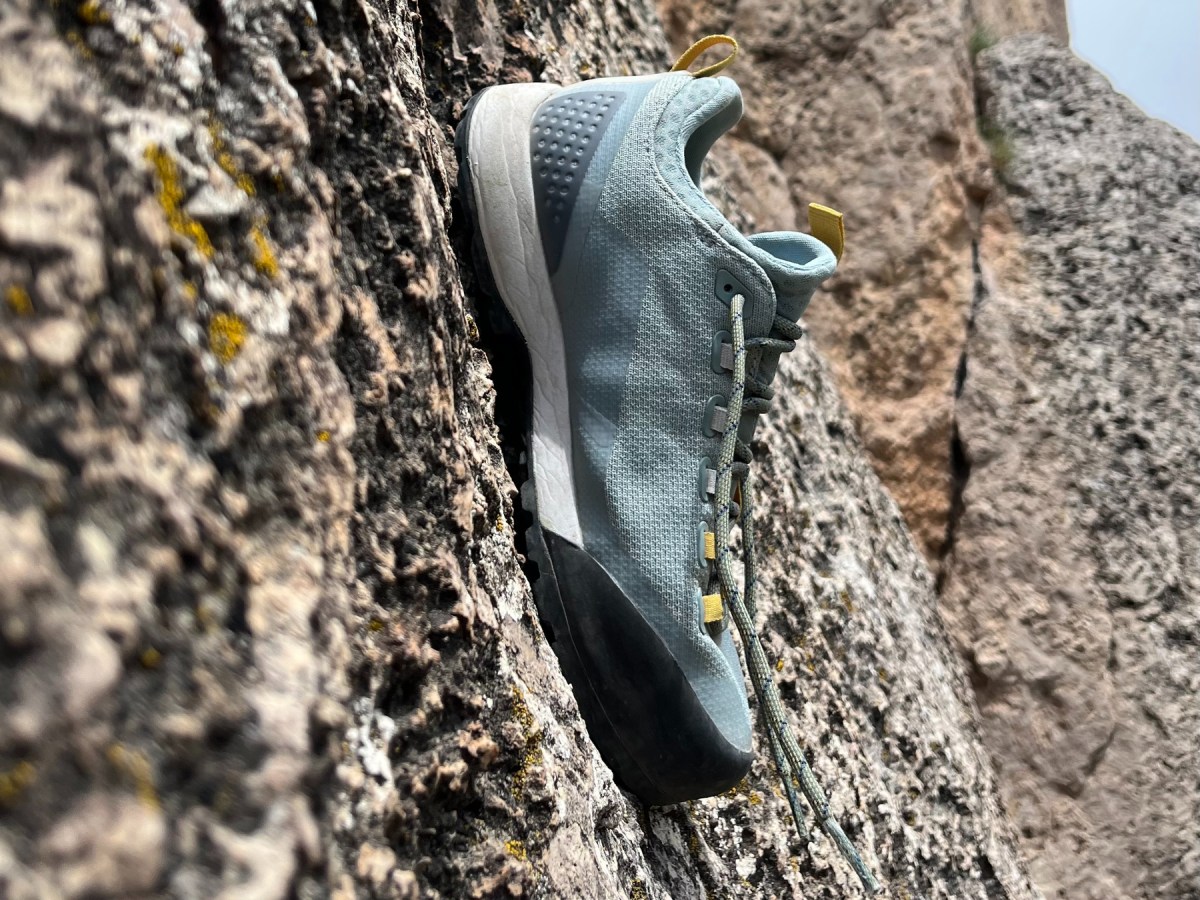
For scramblers who spend more time on vertical rock than on the trail, the Black Diamond Technician Pro is a precision instrument. It features an aggressive lace-to-toe design that allows you to cinch the front of the shoe down for a climbing shoe-like fit. This makes it one of the best transition shoes for technical edging on steep, high-consequence terrain.
During our testing, we found the Technician Pro to be quite stiff compared to the TX2. This stiffness is a benefit when you need to stand on tiny granite crystals or perform aid climbing maneuvers. The climbing zone sole is optimized for maximum surface contact at the big toe. It is certainly a more sensitive approach shoes for technical rock feel than a traditional hiker, but its narrow last means it may not be the best choice for those with wide feet.
Pros
- Excellent edging power on vertical faces.
- Very secure fit thanks to the wrap-around lacing.
- Slim profile fits well into narrow cracks.
Cons
- Very narrow fit may cause hotspots for some users.
- Stiffer sole can feel "clunky" on flat miles.
The Scrambler’s Buying Guide: Choosing Your Mission Profile
Choosing the best approach shoes for technical scrambling depends entirely on your mission profile. If you are hiking ten miles to reach a class 4 ridge, support and durability are your priorities. If you are climbing a vertical face and need something for the walk down, weight and packability win every time.
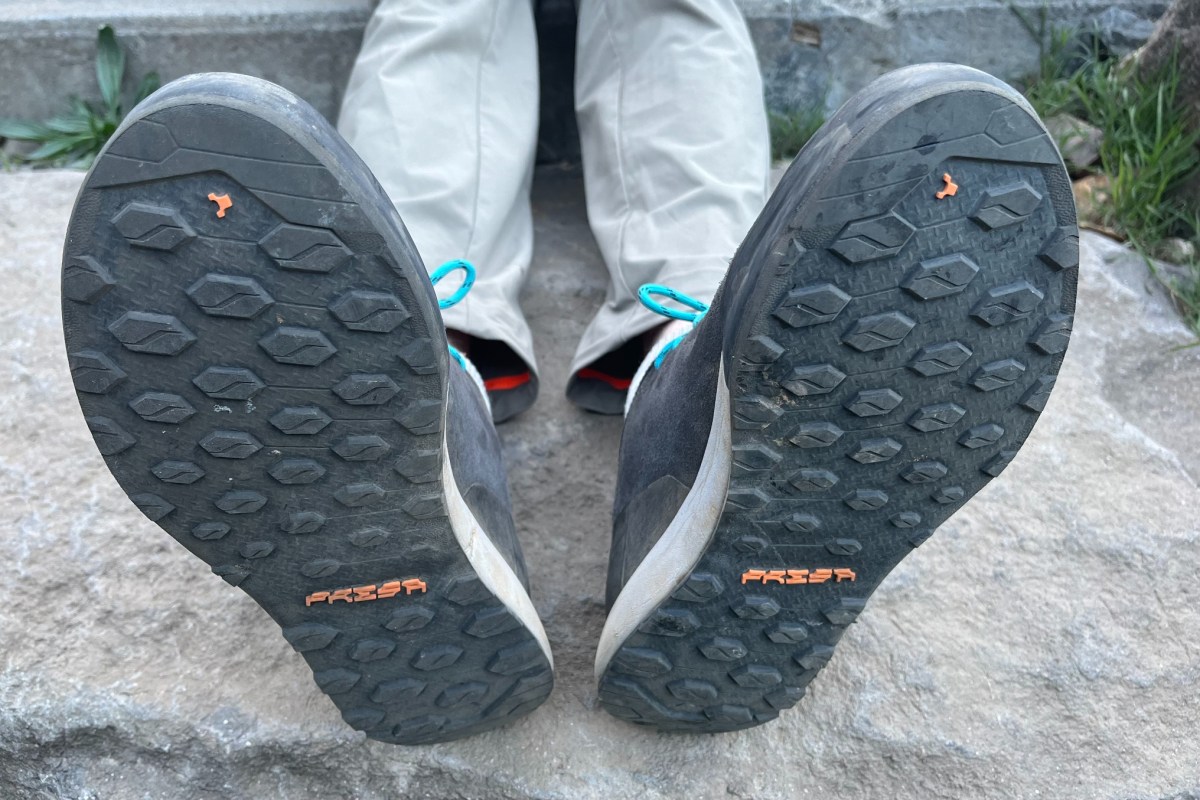
Rubber Compounds: Megagrip vs. Idrogrip
Not all sticky rubber is the same. Vibram Megagrip is the industry standard because it balances durability with incredible friction. However, if you are looking for waterproof approach shoes for wet scrambles, look for models utilizing Vibram Idrogrip. This compound is softer and specifically engineered to stick to submerged or damp rock, often found in canyoning or wet mountain approaches.
Expert Tip: The Two-Shoe Strategy Serious scramblers often own two pairs of approach shoes. Buy your "all-around" pair (like the TX4) in your standard street shoe size for all-day comfort. Buy a "performance" pair (like the TX Guide or Technician Pro) a half-size smaller for a tight, precise fit on technical terrain.
Fit and Sensitivity
A proper fit is crucial for technical rock feel. For scrambling, you want your toes to be close to the end of the shoe without being painfully curled. High-performance models like the La Sportiva TX Guide received a score of 9.0 out of 10 for climbing ability precisely because their narrow, low-profile design allows for incredible precision on technical edging.
FAQ
What are approach shoes used for?
Approach shoes are designed for the "approach" to a rock climb, which often involves hiking on trails followed by scrambling over talus, boulders, or low-grade technical rock. They provide the grip of a climbing shoe with the walking comfort of a hiker.
What is the difference between approach shoes and hiking shoes?
The main difference is the rubber. Approach shoes use soft, sticky rubber that grabs rock surfaces but wears down faster. Hiking shoes use harder rubber for durability and deep lugs for traction in dirt or mud. Additionally, approach shoes have a flat climbing zone at the toe for better friction on small edges.
Should approach shoes be tight or loose?
It depends on the usage. For technical scrambling and climbing, they should be relatively tight to prevent your foot from sliding inside the shoe. For long approaches with a heavy backpack and only mild scrambling, a slightly looser fit—similar to a standard hiking shoe—will prevent blisters and toe pain.
Can you go rock climbing in approach shoes?
Yes, you can go rock climbing in approach shoes, especially on lower-grade routes (up to roughly 5.7 or 5.8 depending on the shoe). Many guides use them for all-day moderate climbs because they are much more comfortable than tight, downturned climbing slippers.
Do approach shoes have good grip on wet rock?
Approach shoes generally have much better grip on wet rock than standard hiking boots because of their specialized rubber compounds. However, their performance decreases on slimy or mossy surfaces. Models using Vibram Idrogrip are specifically designed to maximize safety in wet conditions.
Selecting Your Path
Whether you are bagging peaks in the Cascades or navigating the complex descents of Yosemite, your footwear is your most important piece of safety gear. For most users, the La Sportiva TX4 EVO remains the best approach shoes choice due to its longevity and supportive platform. If agility and weight are your primary concerns for technical downclimbing, the TX2 EVO is the ultimate tool. Choose based on your foot shape and the technicality of your terrain, and always prioritize the sticky rubber that keeps you glued to the mountain.