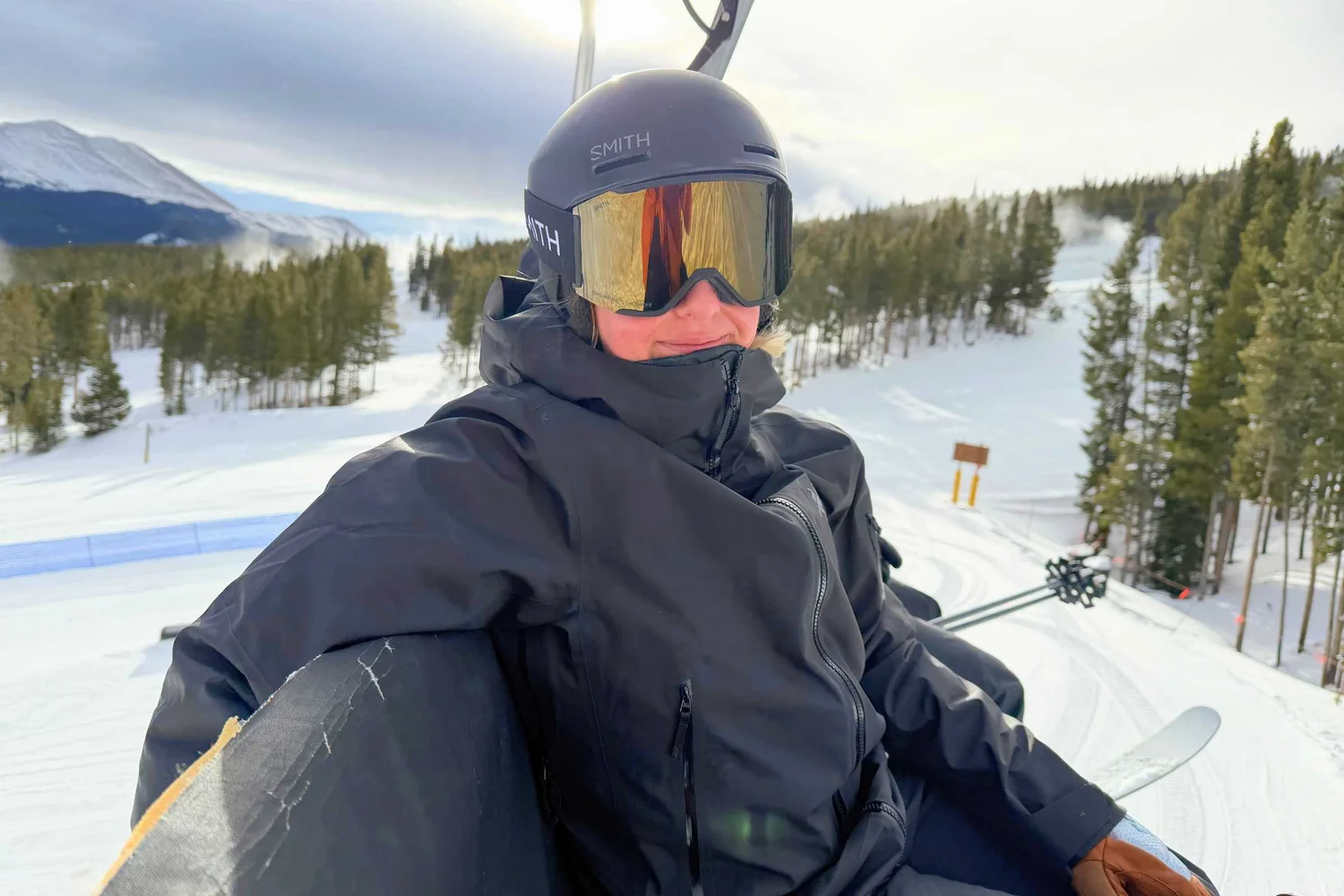
Our Top Picks
The Arc'teryx Sentinel is our top recommendation for a high-performance women's GORE-TEX ski jacket review because it manages to bridge the gap between technical back-country capability and resort-focused features. If you are looking for a singular shell that can handle 100+ days of abuse without showing its age, this is it. We found it to be the most versatile shell for skiers who split their time between the lifts and the sidecountry hiking gates.
After testing the Arc'teryx Sentinel across 100+ days from Alaska to Utah, we’ve found it to be the gold standard for women's GORE-TEX ski jacket performance. It balances a rugged 80-denier face fabric with the new sustainable ePE membrane, offering exceptional protection for resort and sidecountry skiing.
| Feature | Specification |
|---|---|
| MSRP | $750 |
| Weight | 590g - 640g (Size dependent) |
| Shell Membrane | 3-layer GORE-TEX ePE |
| Waterproof Rating | 28,000mm |
| Face Fabric | 80-Denier |
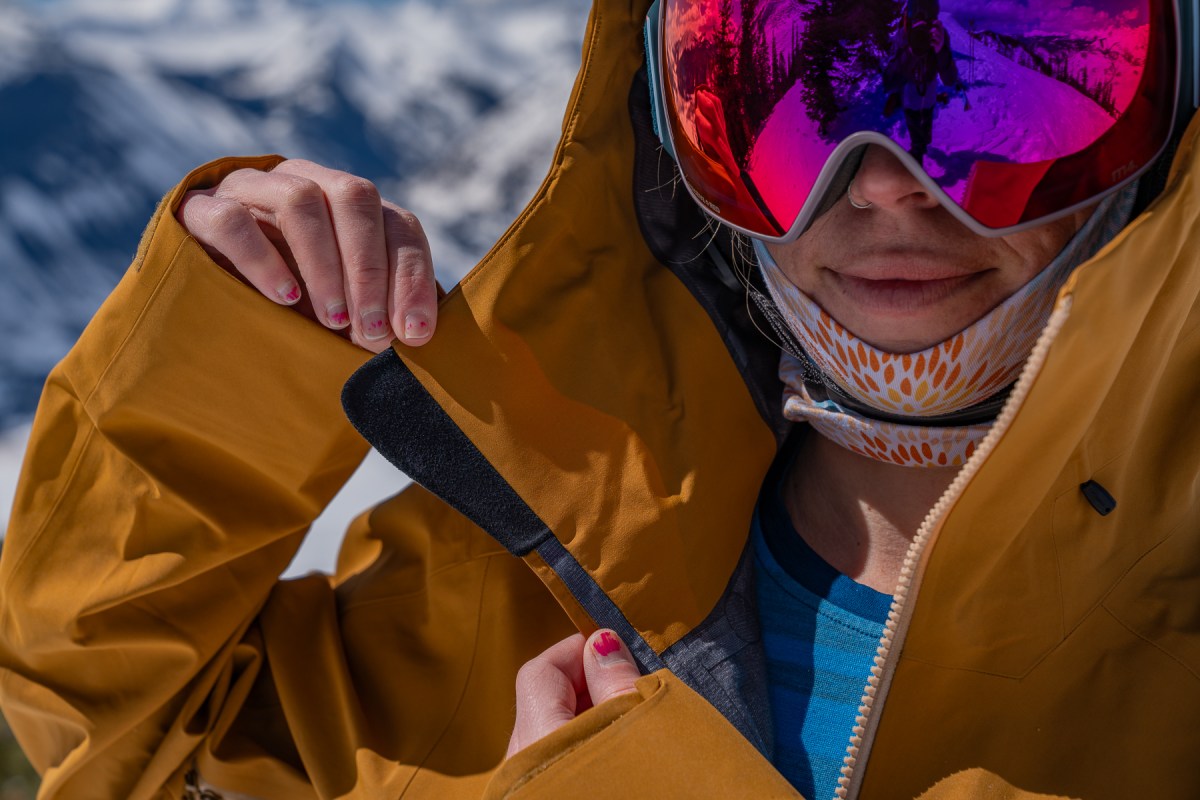
Material Science: The ePE Membrane & 80D Durability
One of the biggest shifts in recent technical outerwear has been the move toward more sustainable materials. The latest iteration of the Sentinel has transitioned to a robust 80-denier face fabric and a PFAS-free Gore-Tex ePE membrane to reduce environmental impact. For those who aren't gear junkies, ePE stands for expanded Polyethylene. It is lighter and thinner than the older ePTFE membranes but maintains that essential 28,000mm waterproof rating to maintain protection in extreme conditions.
When we first touched the new fabric, we noticed it felt slightly less crunchy than previous generations. The 80-denier face fabric is heavy-duty; to put that in perspective, many lightweight touring shells use 40-denier. This higher density means you can brush against Alaskan alders or sit on a snowy chairlift without worrying about tears or immediate soak-through.
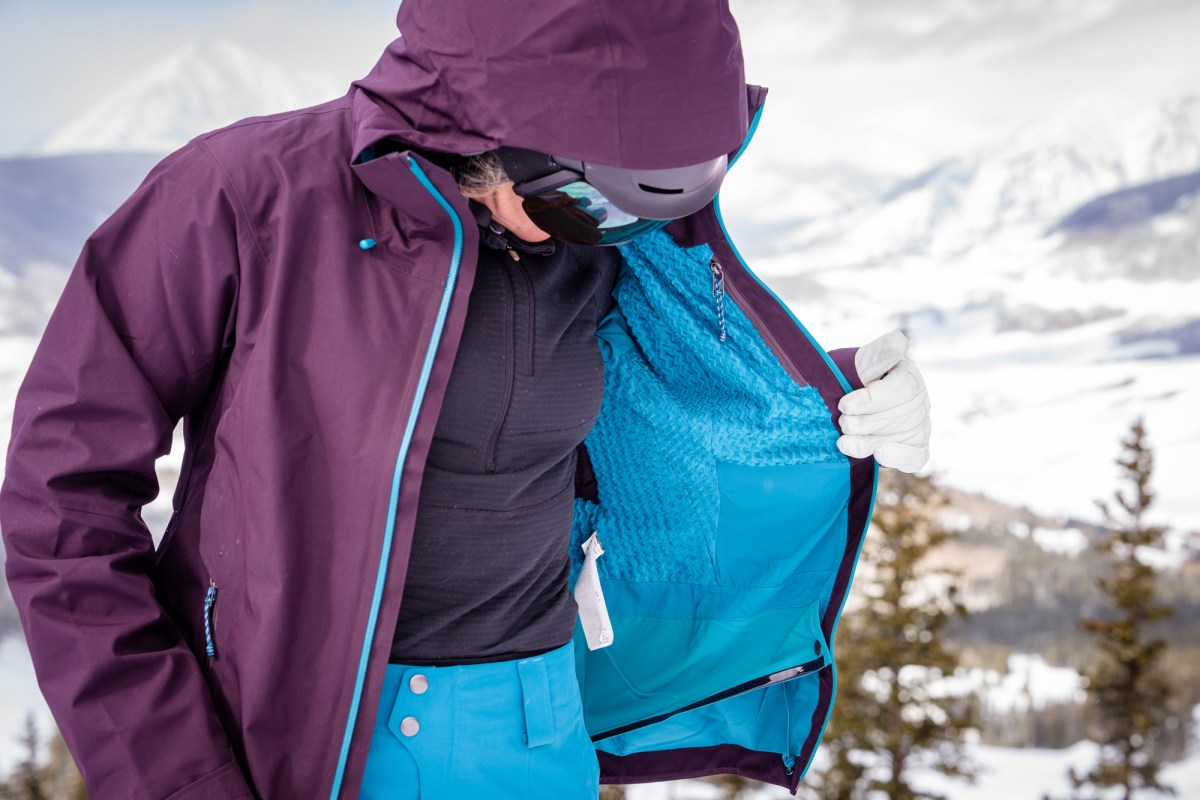
Inside, the jacket features a brushed flannel backer. This isn't insulation in the traditional sense, but it does add a tiny bit of warmth and, more importantly, a much softer feel against your skin if you are wearing a short-sleeve base layer. It also aids in moisture management by creating a small gap between the membrane and your body, which prevents that clammy hardshell feeling during a hard hike.
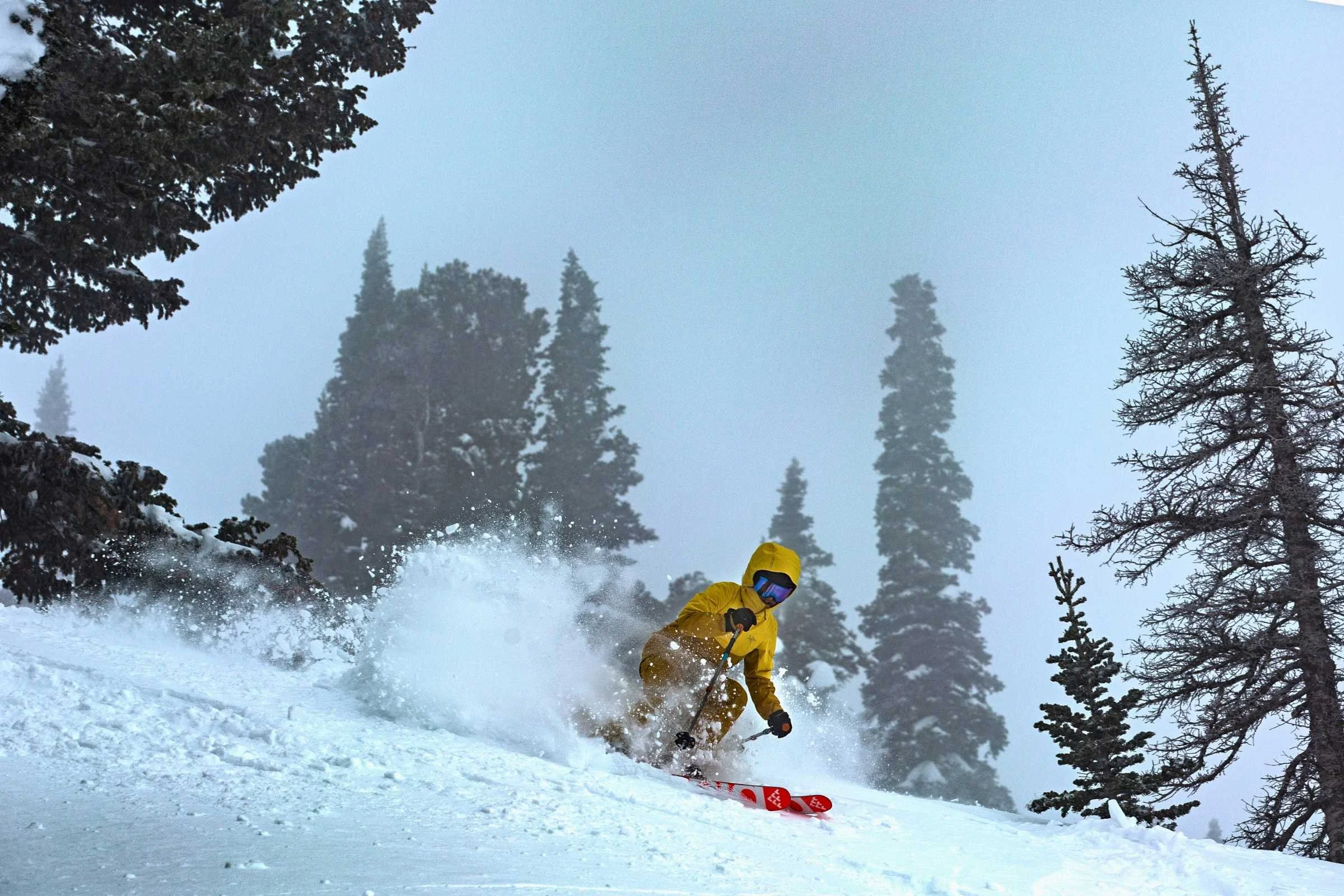
Field Test Results: Mobility and Storm Protection
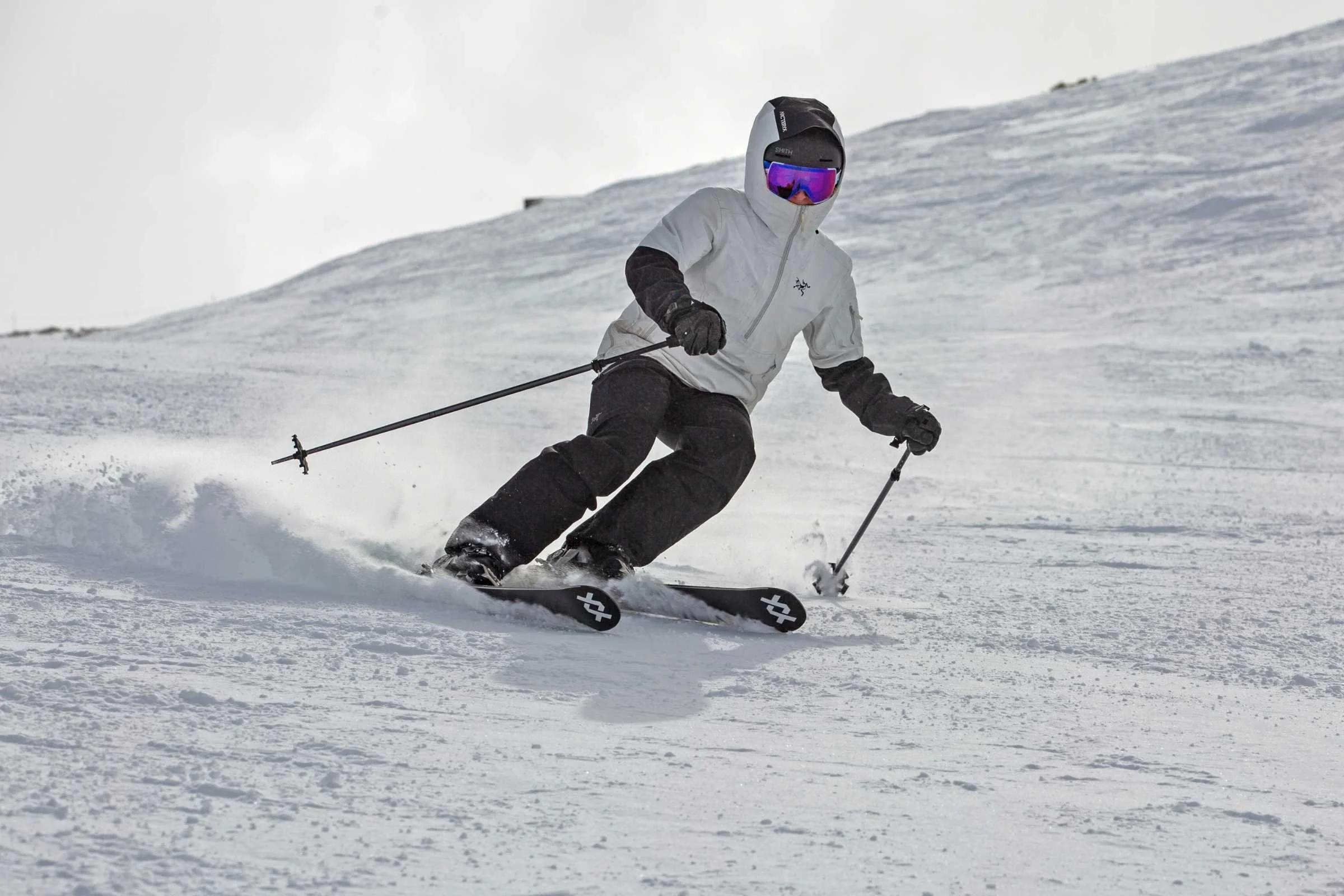
We took this jacket through the wringer, from the damp, heavy snow of British Columbia to the bone-dry cold of the Utah Wasatch. The windproof performance is where the Sentinel truly shines. Standing on a ridgeline with 40mph gusts, the shell acts as a complete block, allowing your midlayers to do their job of retaining heat.
The mobility of this jacket comes down to its articulated construction. Arc'teryx uses complex patterning so that when you reach up to adjust your goggles or pole plant on a steep face, the hem of the jacket doesn't lift up. This is a critical detail for keeping snow out of your waistband. The freeride silhouette is intentionally longer and roomier than a climbing shell, providing extra coverage over the hips.
Safety features are also well-integrated. There is a built-in RECCO reflector in the right sleeve, which can assist organized rescue teams in locating you in an emergency. For the resort crows, the Slide 'n Loc system allows the powder skirt to snap into compatible ski pants, creating a unified barrier against deep snow.
The helmet-compatible StormHood is another standout. It features a single-pull adjustment at the back that cinches the hood around your helmet without obstructing your peripheral vision. Even in a full-blown whiteout, we were able to tuck our chins behind the tall collar and stay perfectly shielded.

Sizing and Fit Guide: The Freeride Silhouette
When talking about Arc'teryx Sentinel sizing and fit, it is important to understand that this jacket is designed with a relaxed fit. Unlike the trim fit found in the mountain-climbing-focused Alpha series or the slightly more tailored Rush, the Sentinel is built for movement and layering.
We found the Sentinel fits true to size, but "true to size" in this context means "roomy." If you are between sizes, we recommend sticking with your usual size to ensure you have space for Arc'teryx Sentinel ski jacket layering advice for cold days. On a typical 15-degree Fahrenheit day, we easily fit a heavy weight merino base layer and a midweight down puffer underneath without feeling restricted.
The back length of the jacket sits around 83-85cm, providing significant coverage. If you are a shorter skier, the jacket might feel quite long, almost reaching mid-thigh, which is a popular freeride style but something to be aware of if you prefer a shorter technical cut. The sleeves are also cut generously with large Velcro cuffs, making it easy to fit even the bulkiest over-the-cuff mittens underneath.
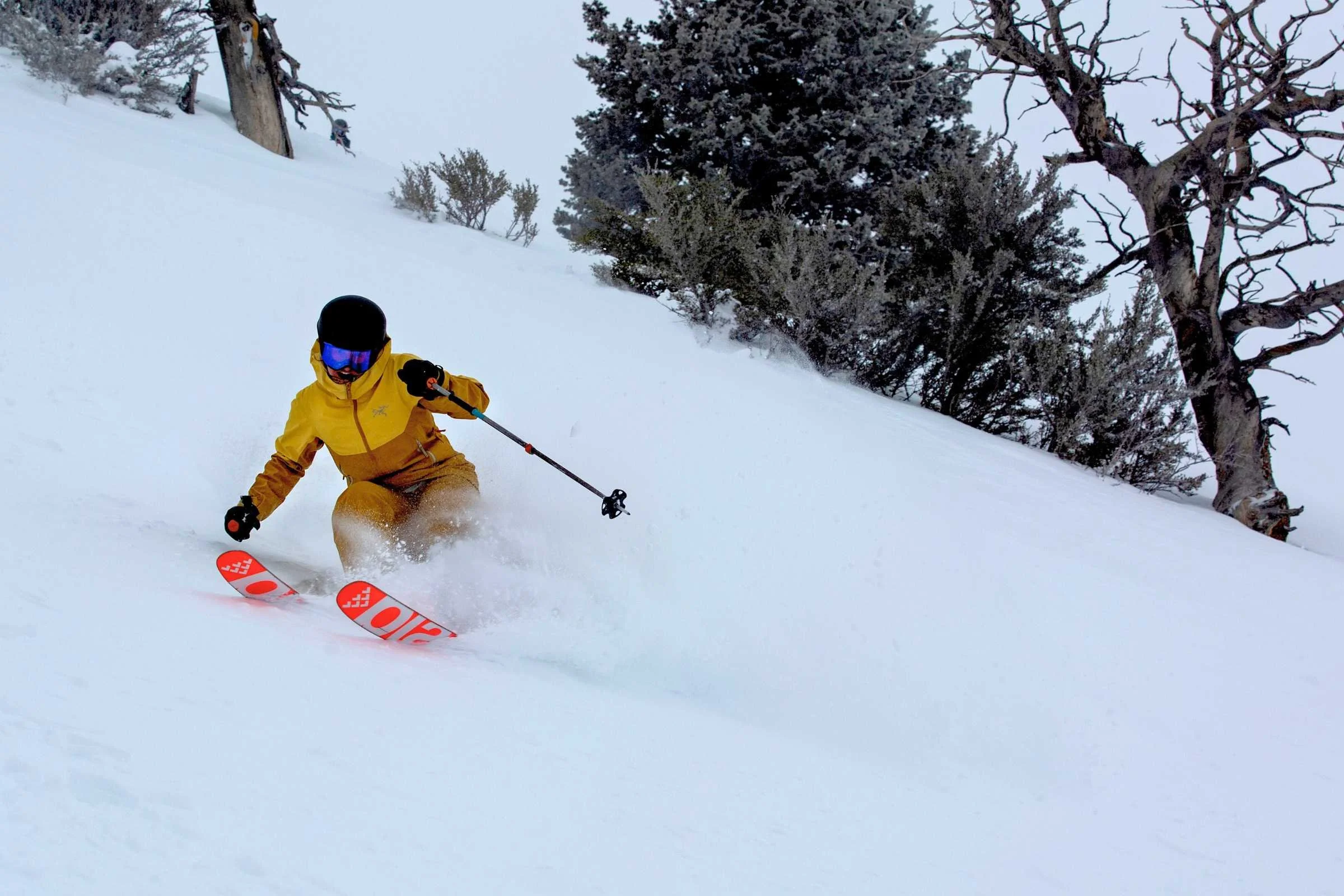
Sentinel vs. Sentinel Insulated: Which is for You?
One of the most common questions we get is whether to go with the shell or the insulated version. Choosing between the Arc'teryx Sentinel and the Sentinel Insulated depends on your local climate and activity level.
The standard Sentinel is far more versatile. By using a layering system, you can wear this shell on a 40-degree spring day with just a base layer or a -10-degree January day with a heavy puffy. The Sentinel Insulated, however, uses Coreloft synthetic insulation. While it is incredibly warm and convenient for resort skiing in places like Quebec or the Northeast, it can be too hot for hiking the headwall or skiing in warmer coastal climates.
| Comparison Factor | Sentinel Shell | Sentinel Insulated |
|---|---|---|
| Best Use | Resort, Sidecountry, Backcountry | Cold Resort Days |
| Warmth | Minimal (Flannel backer only) | High (Coreloft Synthetic) |
| Versatility | Excellent (Layering required) | Moderate (Better for stationary/cold) |
| Fit | Relaxed Freeride | Roomy / Longer |
100-Day Performance: Longevity and Maintenance
Long-term performance reviews have documented the Sentinel's durability over hundreds of ski days in diverse climates such as Alaska, British Columbia, and the American Rocky Mountains. After our own 100-day test, the results were impressive. The seam sealing remained perfectly intact, and the RFID pass pocket on the bicep never failed once. We also appreciated the large internal dump pocket, which is the perfect spot to stash skins or a spare pair of goggles.
However, owning a premium GORE-TEX jacket requires maintenance, especially with the newer PFAS-free ePE Sentinel jacket performance. The DWR coating (Durable Water Repellent) on these newer sustainable jackets can sometimes wear off faster than the old chemical versions.
Maintenance Checklist for Peak Performance:
- Wash Frequently: Dirt and skin oils can clog the ePE membrane. Use a technical detergent like Nikwax or Granger's.
- Tumble Dry: After washing, put the jacket in the dryer on medium heat for 20-30 minutes. This reactive-activates the DWR coating.
- Re-apply DWR: If water stops beading on the surface after a wash/dry cycle, it's time to spray on a fresh DWR treatment.
- Check Zippers: Use a damp cloth to wipe salt and dirt from the WaterTight zippers to prevent sticking.
Even on lighter colorways, we found that most lift grease and stains could be lifted with a gentle spot clean. After two full seasons, the jacket still looks remarkably new, which leads us to the big question: Is the Arc'teryx Sentinel worth the money for serious skiers? When you divide the $750 price tag by 200+ days of use across several years, the cost-per-wear becomes much more justifiable than buying a budget jacket every other season.
FAQ
Is the Arc'teryx Sentinel jacket worth the price?
Yes, for serious skiers who spend 30+ days a season on the mountain, the durability and weather protection justify the cost. The 80-denier fabric and GORE-TEX membrane provide a lifespan that often exceeds five to seven years of heavy use.
Is the Arc'teryx Sentinel insulated or just a shell?
The standard Sentinel is a 3-layer hardshell with a thin flannel backer for comfort, but it does not have warmth-giving insulation. There is a separate model called the Sentinel Insulated that features Coreloft synthetic insulation.
How does the Arc'teryx Sentinel fit compared to other ski jackets?
It features a relaxed freeride fit, which is roomier and longer than technical alpine shells. If you are used to a trim, athletic fit, you may find the Sentinel quite baggy, but this extra space is intended for easy layering.
Is the Sentinel jacket suitable for both resort skiing and backcountry?
It is optimized for resort and sidecountry skiing. While it is excellent for short tours and hiking gates, pure backcountry skiers might find it slightly heavy (around 600g) compared to dedicated ultralight touring shells.
What is the difference between the Arc'teryx Sentinel AR and LT versions?
Arc'teryx recently updated their naming conventions. The previous Sentinel AR (All Round) is essentially what the current Sentinel Jacket is today—a versatile, flannel-backed shell. The LT (Lightweight) version was thinner and more packable, but it has mostly been phased out or integrated into other touring-specific lines.
Final Verdict
If you are a dedicated skier looking for a "one-and-done" shell, our Arc'teryx Sentinel review concludes that this remains one of the best investments on the market. It offers a rare combination of rugged toughness and thoughtful ergonomics. Whether you are dropping into a steep chute or waiting for a slow lift in a blizzard, this jacket provides the peace of mind that you will stay dry and protected.