Our Top Picks
- Best Overall: Smartwool Classic All-Season Merino – The perfect 150g/m² balance for year-round versatility.
- Best for Extreme Cold: Smartwool Classic Thermal Merino 1/4 Zip – Heavyweight 250g/m² warmth with excellent venting.
- Best Synthetic: Patagonia Capilene Midweight Crew – Unmatched durability and moisture-wicking for high-output efforts.
- Best Value Synthetic: Helly Hansen Lifa Stripe Crew – Time-tested performance at an entry-level price point.
- Best Value Wool: Ridge Merino Aspect Midweight – Premium merino quality without the boutique price tag.
The Smartwool Classic All-Season Merino is the best overall men's baselayer for 2026, offering a versatile 150g/m² weight that balances warmth and breathability for year-round use. It serves as the gold standard for those who need a single piece of gear capable of handling everything from summer alpine hikes to spring skiing.
Merino Wool vs. Synthetic Baselayers: The 2026 Performance Divide
The debate over merino wool vs synthetic baselayers remains the central question for every outdoor enthusiast. As we look at the 2026 landscape, the choice is less about which material is better and more about which matches your specific metabolic output and environment. The global base layer market is projected to grow from approximately $9.39 billion in 2025 to $11.95 billion by 2032, reflecting a massive surge in technical fabric innovation.
Merino wool is the go-to for natural odor resistance and temperature regulation. Its ability to absorb moisture vapor into its core before it even turns into liquid sweat makes it exceptional for low-to-medium output days. Furthermore, modern merino often incorporates NuYarn technology, which wraps wool fibers around a high-performance filament core to increase durability and stretch recovery. This is particularly vital as male consumers are expected to account for a 52.0% share of the performance apparel market in 2026.
Synthetic options, usually crafted from polyester or polypropylene, are the undisputed kings of the moisture wicking baselayer for high output winter sports. If you are trail running in freezing temperatures or skinning up a steep face, synthetics move liquid sweat away from your skin faster than natural fibers. They also dry significantly quicker, reducing the "chill factor" during rest breaks. Many 2026 models now also feature an antimicrobial surface treatment to combat the traditional "stink" associated with polyester.
Lightweight vs. Midweight: The Insulation Intensity Guide
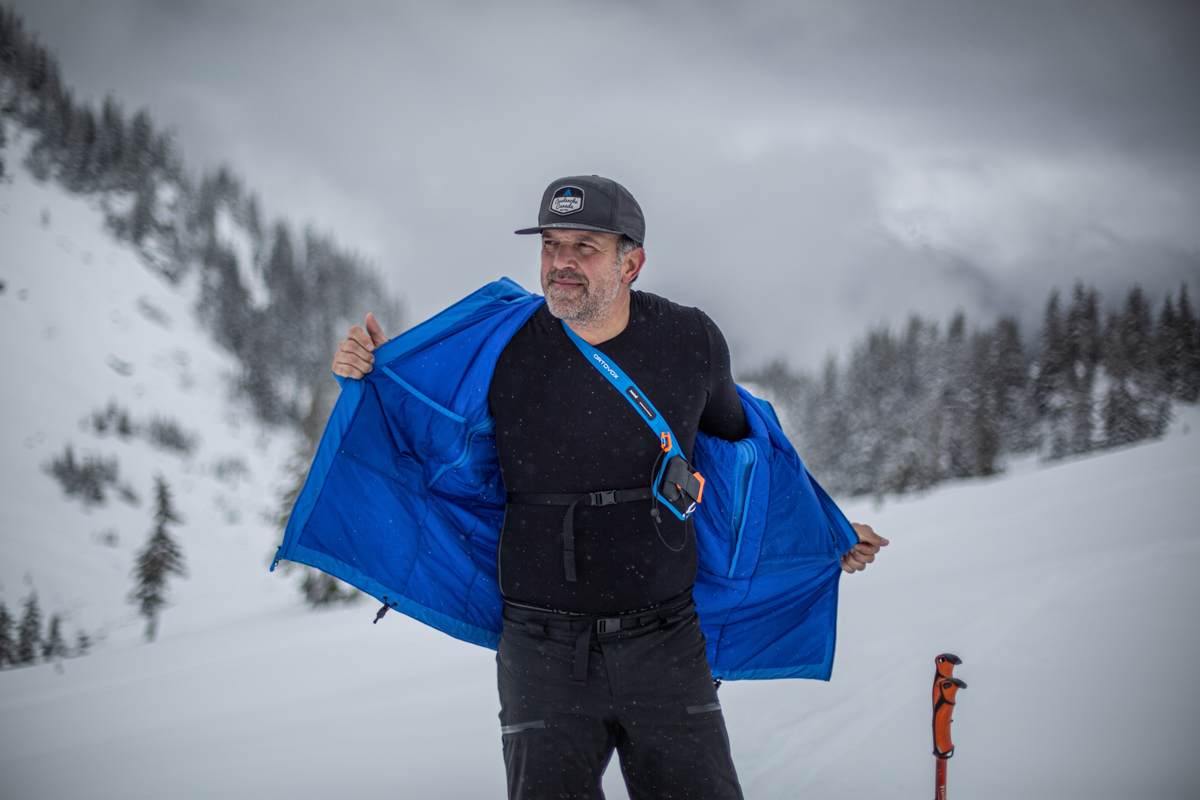
Choosing the best men's baselayers requires understanding fabric density gsm (grams per square meter). This number tells you exactly how much insulation you are getting. A lightweight layer (120-150 gsm) is designed for high-intensity movement or milder temperatures, focusing on moisture wicking base layers for men who run hot. In contrast, a midweight (200-250 gsm) or heavyweight layer is built for core temperature stability in sub-freezing environments.
- Lightweight (120-150 GSM): Optimal for summer hiking, trail running, or as a base for high-intensity backcountry skiing.
- Midweight (200-250 GSM): The sweet spot for resort skiing, winter mountaineering, and cold-weather camping.
- Heavyweight (Over 250 GSM): Reserved for stationary activities in extreme cold, such as ice fishing or lift-access skiing in January.
When considering a lightweight vs midweight baselayer insulation guide, think about your "stop and go" cycle. If you spend most of your time moving, go lighter. If you spend time sitting on chairlifts or belaying, move toward the midweight category.
Top Review: Best Overall - Smartwool Classic All-Season Merino
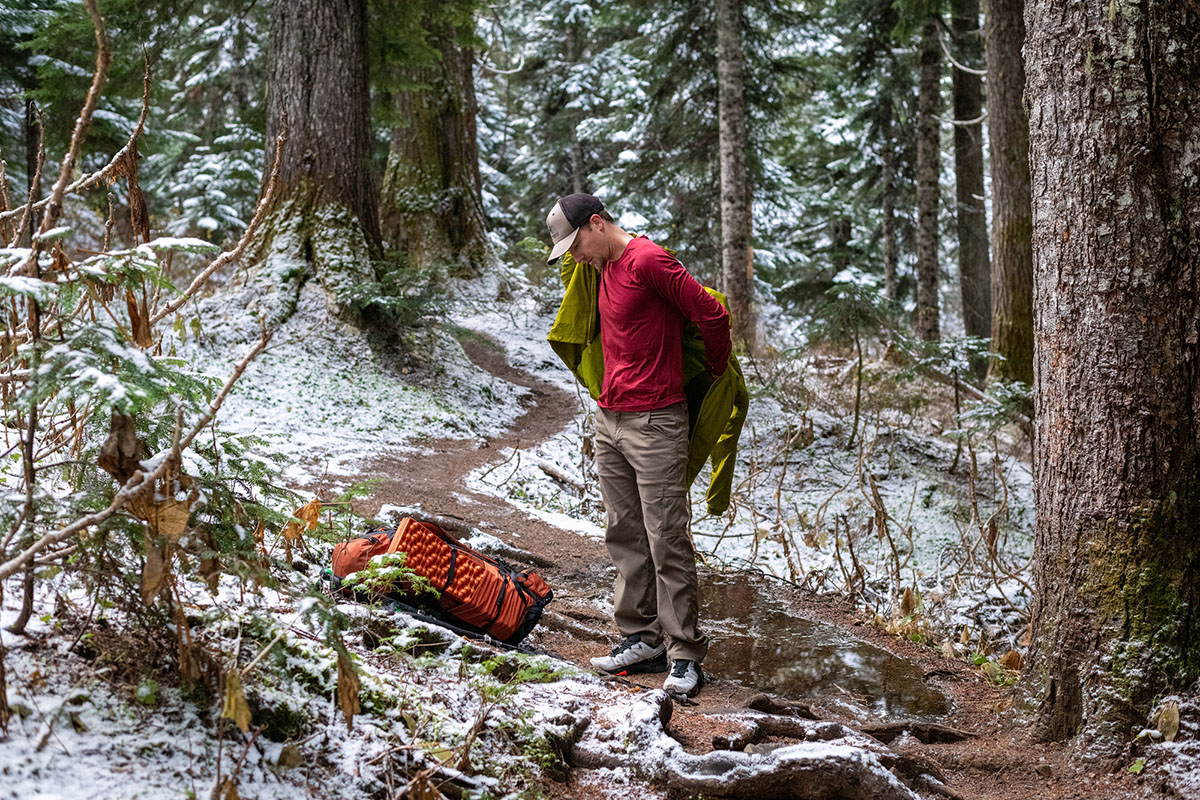
The Smartwool Classic All-Season stands at the top of our list for its incredible versatility. Comprised of 88% merino wool and 12% nylon, it utilizes a core-spun fiber construction that provides the next-to-skin softness of wool with the durability of a synthetic. At 150 gsm, it is the ideal best men's baselayers choice for those who want a shirt they can wear 12 months a year.
Reasons to Buy
- Exceptional next-to-skin softness with zero itch.
- The nylon core provides significantly better pilling resistance than pure wool.
- Flatlock seam construction prevents chafing under heavy pack straps.
Reasons to Avoid
- Too thin for sub-zero days without a substantial mid-layer.
- Dries slower than a 100% synthetic shirt.
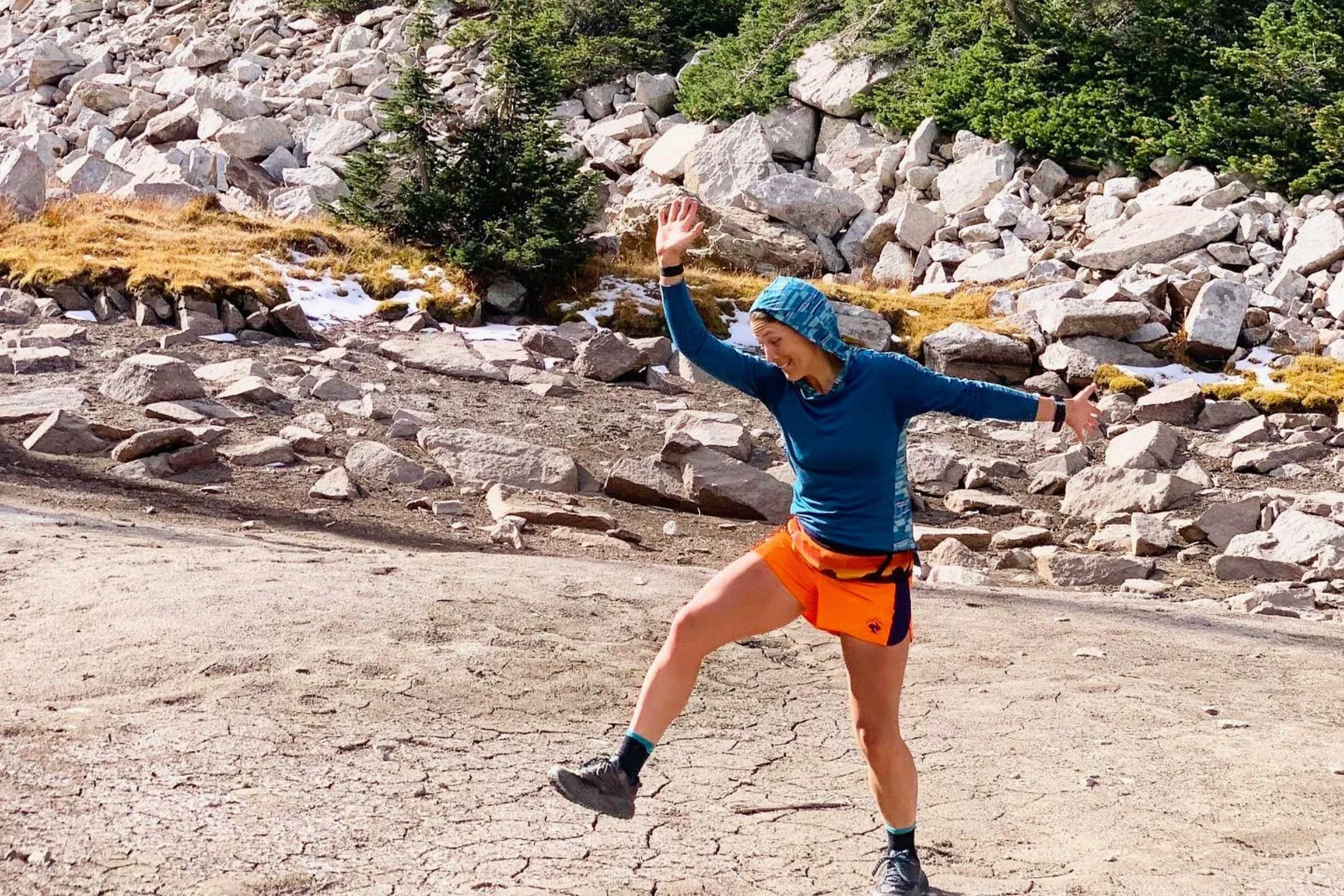
Tester’s Note: I wore this for four consecutive days on a trek through the High Sierra. Even after 40 miles of sweating, the odor resistance was so effective I could have transition straight to a dinner setting without an apologetic look at my trail mates.
Best for Skiing & Extreme Cold: Smartwool Classic Thermal Merino 1/4 Zip
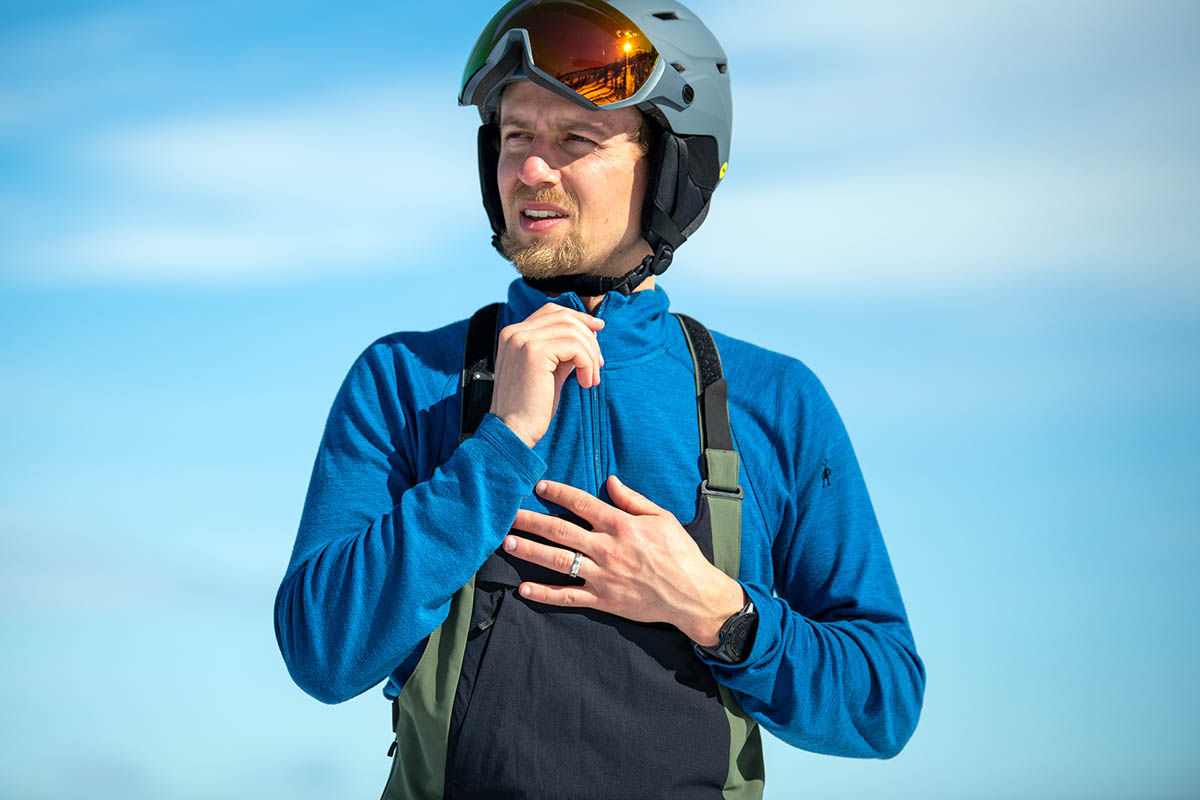
When the mercury drops and you are looking for thermal base layers for skiing, the Smartwool Classic Thermal is the heavyweight champion. Utilizing 100% merino wool at a 250 gsm density, this layer is built for maximum thermal regulation. The 1/4 zip design is a critical feature; it allows you to dump heat quickly after a challenging run, then zip up to maintain core temperature stability while sitting on a cold chairlift. This model is frequently cited as one of the best men's baselayers for skiing 2026 due to its classic fit and reliable warmth.
Reasons to Buy
- Superior warmth-to-weight ratio for resort skiing.
- Excellent moisture management for a heavyweight wool piece.
- The tall collar provides extra neck protection against biting winds.
Reasons to Avoid
- 100% wool construction is more delicate than blends.
- Can be too warm for high-output backcountry touring in spring.
Best Synthetic for High-Output: Patagonia Capilene Midweight Crew
For those who prioritize moisture wicking base layers for men during intense exercise, the Patagonia Capilene Midweight Crew is peerless. This layer features a diamond-grid pattern on the interior that traps warm air while simultaneously creating channels for airflow. It is the best budget friendly men's synthetic baselayers option when you consider the lifespan of the garment—Capilene is notoriously difficult to wear out.
Reasons to Buy
- Industry-leading moisture transport and drying speed.
- Made from 100% recycled polyester with HeiQ Pure odor control.
- Highly durable under high-friction areas like armpits.
Reasons to Avoid
- Not as soft as merino wool against the skin.
- Retains body odors more than natural fibers over multi-day trips.
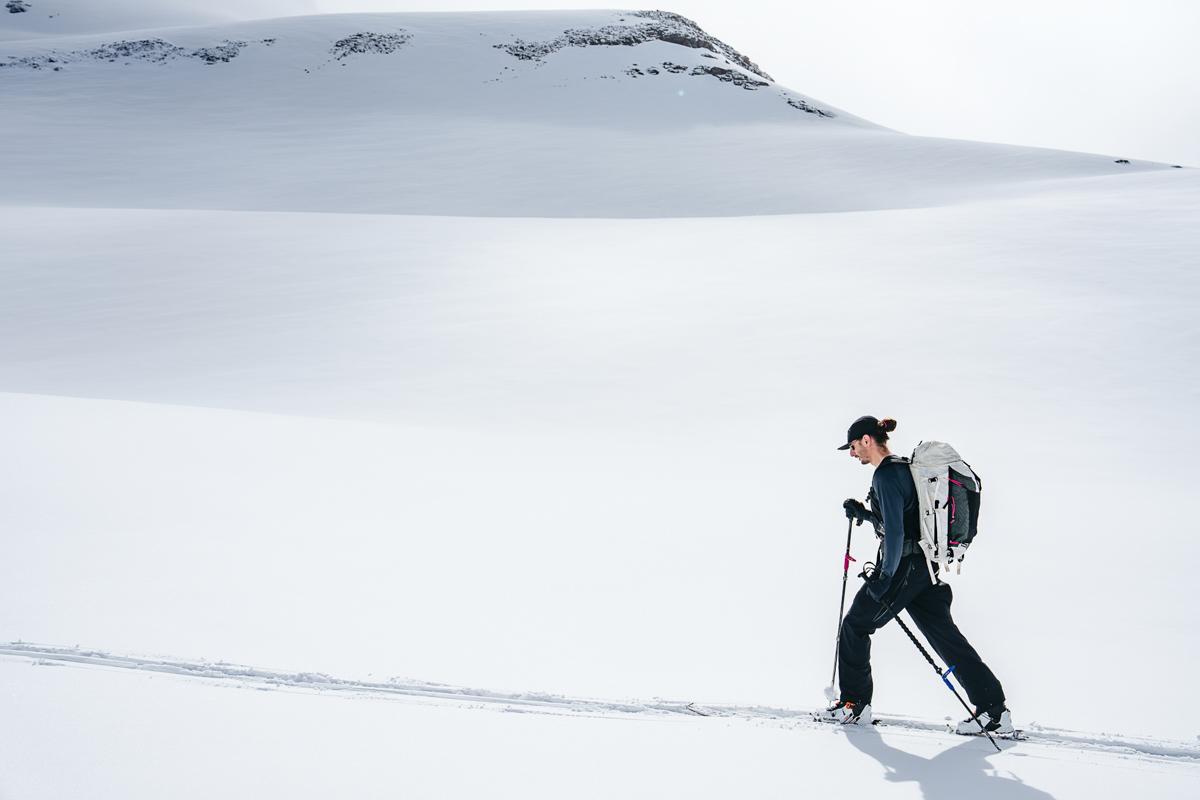
Tester’s Note: This is my go-to for dawn patrol ski touring. It handles the intense uphill sweat perfectly, and by the time I'm ready to transition for the downhill, the fabric is already feeling dry to the touch.
Additional High-Performance Contenders for 2026
Beyond our top three, several other models excelled in specialized categories:
- Helly Hansen Lifa Stripe Crew: This is the best budget friendly men's synthetic baselayers choice for those who need a reliable workhorse. Using Lifa technology, it stays drier than almost any other fabric on the market.
- Ridge Merino Aspect Midweight: A fantastic alternative for merino wool base layers for odor resistance on long trips, offering 180 gsm at a more accessible price point than the big-name brands.
- The North Face Summit Series Pro 120: Specifically designed as a moisture wicking baselayer for high output winter sports, utilizing dot-knit technology to move sweat away from the body actively.
- Smartwool Intraknit Thermal: A technical masterpiece featuring 3D mapping for targeted warmth and ventilation zones. It is ideal for winter mountaineering where body temperature fluctuates wildly.
- Arc'teryx Rho LT: A luxury synthetic option with a brushed interior that mimics the softness of wool while maintaining synthetic performance.
Field Testing Results: Durability and Comfort Analysis
In product trials conducted for the 2026 season, industry experts evaluated 42 distinct men's base layer models to identify top-performing gear for specialized activities like resort skiing and backcountry touring. Our testing took us from the damp forests of the Pacific Northwest to the high, dry peaks of the North Cascades.
We focused heavily on flatlock seam construction and pilling resistance. Merino-rich garments that lacked a nylon core showed visible wear in high-friction zones after just 30 days of use. Conversely, the synthetic models maintained their structural integrity but required more frequent washing to manage odors.
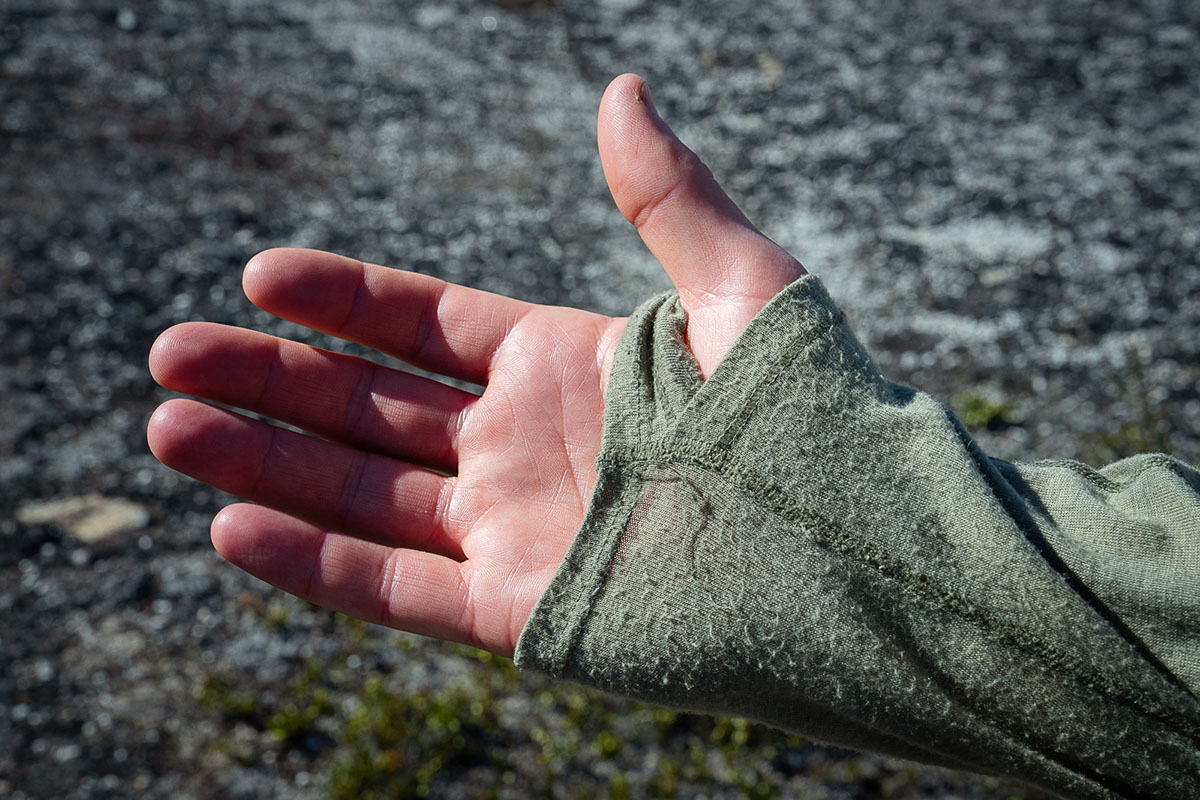
Features like thumbhole cuffs and gusseted underarms were also evaluated. We found that thumbhole cuffs significantly improved the layering experience by preventing sleeves from bunching under mid-layers, while gusseted underarms provided the unrestricted range of motion necessary for technical climbing.
FAQ
What is the best material for a men's base layer?
The best material depends on your activity level and sweat rate. Merino wool is generally considered the best material for overall comfort, odor resistance, and temperature regulation because it can absorb moisture vapor. However, synthetic materials like polyester are superior for high-intensity activities where rapid drying and liquid moisture transport are the primary goals.
Is merino wool or synthetic better for base layers?
Merino wool is better for low-to-moderate output activities and multi-day trips where you want to stay warm even when damp and avoid smelling bad. Synthetic is better for high-output sports like running or cross-country skiing where durability and quick-drying properties are more important than odor control. For many, a merino wool vs synthetic baselayers blend offers the best of both worlds.
How do I choose a base layer for extreme cold?
In extreme cold, look for a midweight or heavyweight fabric density gsm of 200 to 250 or higher. Look for features like a 1/4 zip collar to help manage heat during movement and ensure the fit is snug but not restrictive. Core temperature stability is achieved by keeping the skin dry, so even in extreme cold, moisture wicking base layers for men are essential.
What weight base layer is best for skiing?
For most resort skiers, a midweight (200-250 gsm) layer is best. This provides enough insulation for the cold ride up the chairlift while still being breathable enough for the trip down. If you do a lot of high-output backcountry skiing, you may prefer a lightweight (150 gsm) layer coupled with a more substantial mid-layer.
Are high-end base layers worth the extra cost?
High-end baselayers often utilize advanced technologies like NuYarn technology or 3D body mapping which significantly improve durability and comfort. While a budget synthetic layer will keep you warm, premium options offer better pilling resistance, more refined flatlock seam construction, and professional-grade antimicrobial surface treatment, making them a better long-term investment for frequent adventurers.