Our Top Picks
- Best Overall: Ciele Athletics GOCap – The gold standard for technical fabrics and packability.
- Best for Extreme Heat: Nathan RunCool Ice Hat – Features dedicated ice pockets for cooling.
- Best for Trails: Janji AFO Hyperlite – Minimalist 29g design with headlamp compatibility.
- Best for Road: HOKA Run Hat – Reliable structure and excellent moisture management.
The Ciele Athletics GOCap is the top-rated running hat for its balance of moisture-wicking, breathability, and packability. Other leading options for the 2025 season include the Janji AFO Hyperlite for lightweight comfort and the HOKA Run Hat for road running. These technical caps use specialized polyester blends to manage sweat and maintain structure during high-intensity workouts.
7 Best Running Hats for 2025: Performance Reviews
In 2025, caps are estimated to account for 37.87% of the total revenue in the global headwear industry as they transition from basic sun-protection accessories into performance-oriented products. This shift is driven by a community of runners who demand more than just a shield for the eyes; we want gear that manages thermal regulation and survives the washer three times a week. Performance running accessories, including headwear, are projected to grow at a compound annual growth rate of 7.89% through 2031, fueled by innovations in cooling technology and comfort.
| Category | Product Name | Notable Feature | Weight |
|---|---|---|---|
| Best Overall | Ciele Athletics GOCap | COOLwick Fabric | 62g |
| Best for Trails | Janji AFO Hyperlite | Crushable Brim | 29g |
| Best for Heat | Nathan RunCool | Dual Ice Pockets | 38g |
| Best Minimalist | Brooks Packable | Bungee Adjustment | 18g |
Key features of performance running headwear include technical moisture-wicking fabrics, adjustable rear closures, and UV protection. Breathability is often achieved through laser-cut perforations or mesh side panels, while packable hats utilize pliable foam brims to allow for easy storage without losing shape. Look for reflective details to increase safety during low-light road runs and integrated sweatbands to keep salt out of your eyes.
Testing Methodology: Miles at Elevation
To find the best running hats for this season, our editorial team didn't just look at spec sheets. We took these caps into the wild. Our testing ground included high-altitude trails at 7,000ft and asphalt stretches in temperatures reaching 95°F. We evaluated each piece of breathable running headwear based on a 5-point quantitative scoring system.
Construction quality, comfort over long durations, heat dissipation, and overall value were our primary metrics. We paid close attention to how sweatband liners handled heavy saturation and whether the hats stayed secure during gusty ridge runs. Clinical research indicates that wearing a hat can reduce ultraviolet exposure to the face and neck by as much as 50% compared to remaining uncovered during outdoor exercise, so we also factored in brim coverage and material density.
1. Best Overall: Ciele Athletics GOCap
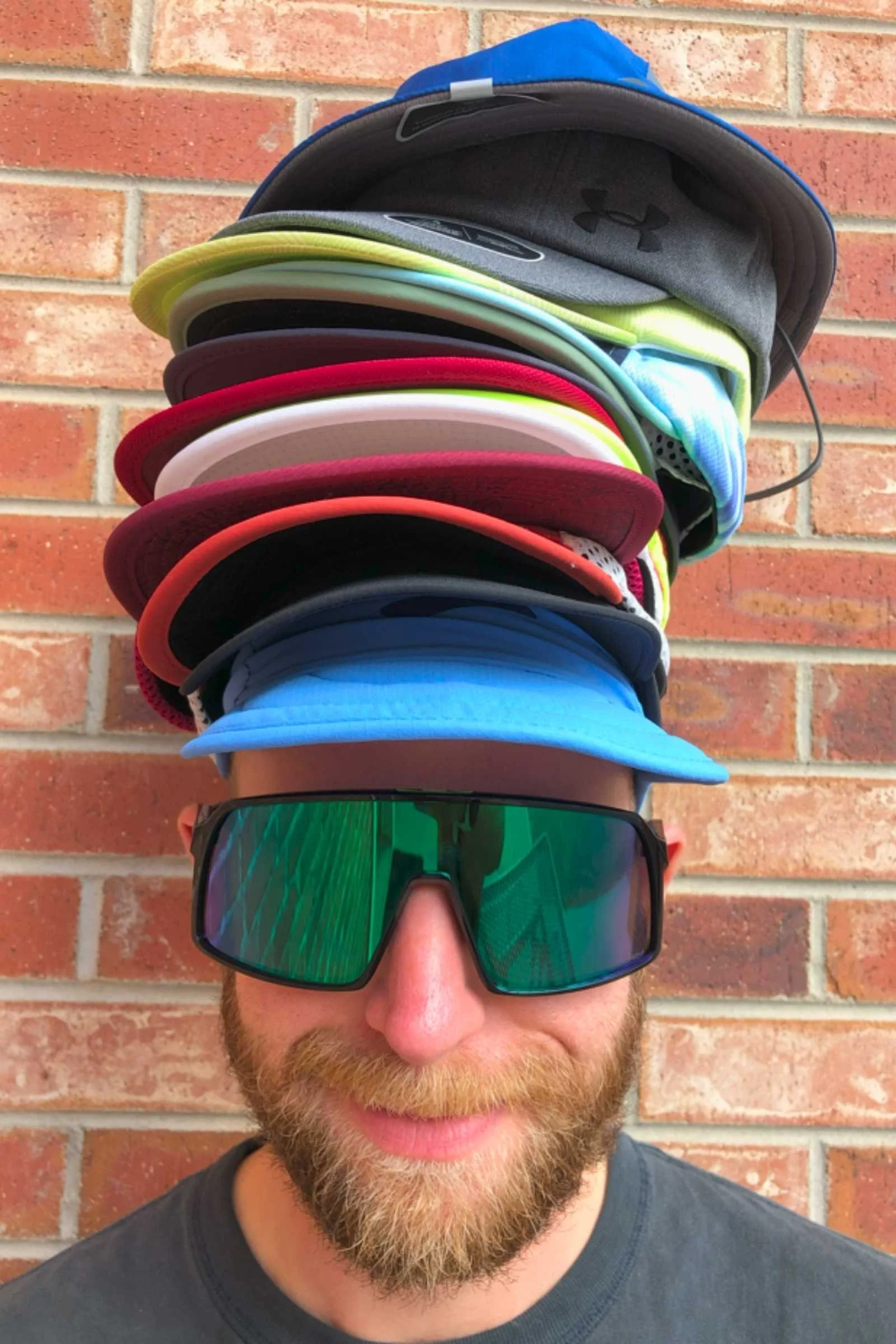
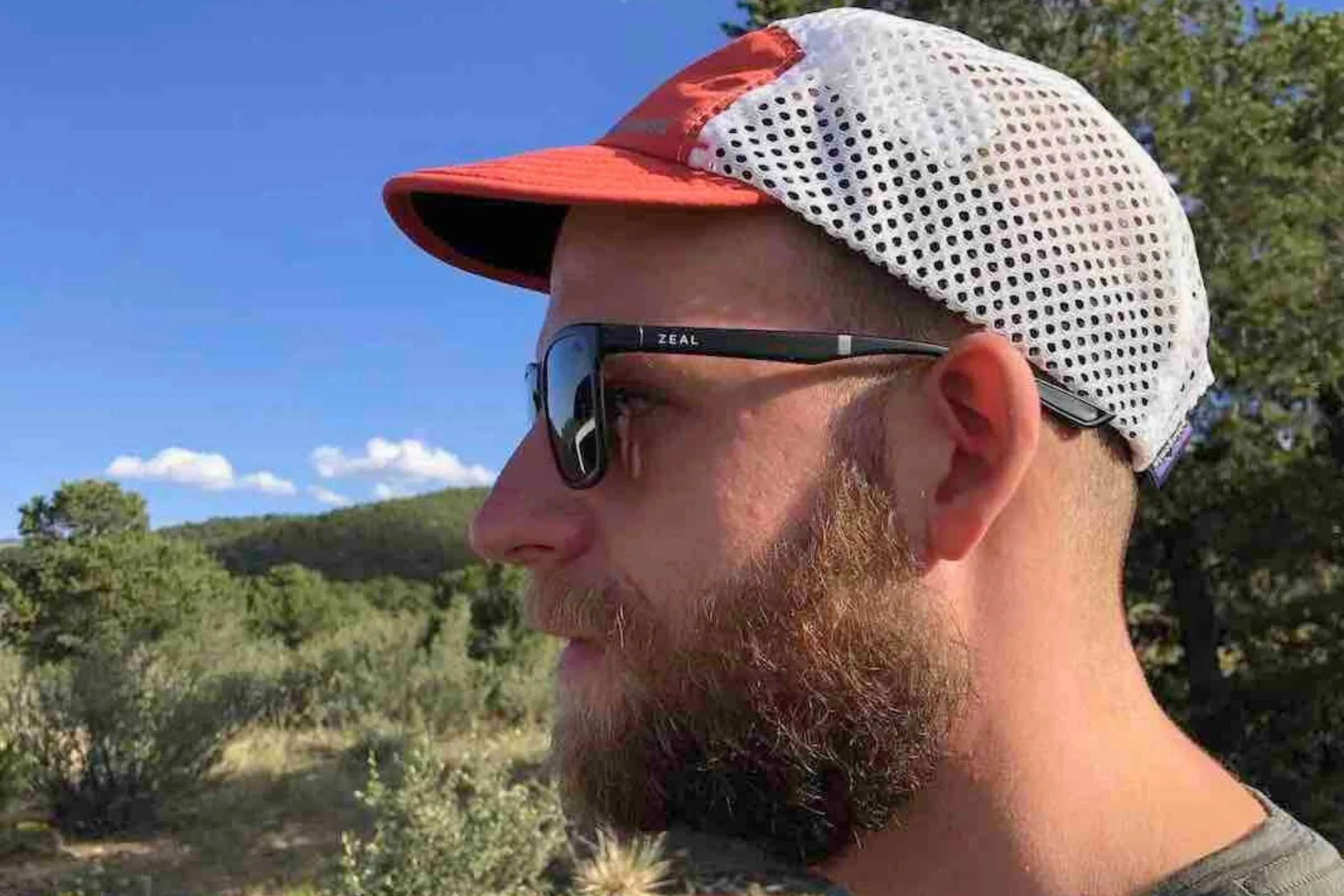
Ciele Athletics has fundamentally changed the landscape of performance headwear. The GOCap remains our top pick because it flawlessly merges style with high-tier technical fabrics. During our testing on midday road runs, the COOLwick mesh performed exceptionally well, moving moisture from the brow to the surface of the fabric for rapid evaporation.
The pliable foam brims are a standout feature. We found we could fold the hat into a hydration vest pocket and have it spring back into its original shape instantly. For runners who value versatility, the range of reflective details and the UPF 40+ protection on the front panels and brim make it a reliable companion for almost any environment.
Technical Specs
- Weight: 62g
- Brim Type: Pliable Foam (Soft)
- Material: Recycled Polyester / COOLwick Mesh
Pros & Cons
- Exceptional moisture-wicking technical fabrics prevent sweat from dripping into eyes.
- Machine-washable durability that holds up over hundreds of cycles.
- Lightweight and easy to pack without losing structural integrity.
- Might feel slightly warmer than ultra-minimalist mesh hats in extreme humidity.

2. Best for Extreme Heat: Nathan RunCool Ice Hat
When the temperature climbs and you are deep into hot weather marathon training, a standard cap isn't enough. The Nathan RunCool Ice Hat offers an active solution for heat dissipation. It features four physical ice pockets—two on the top and two near the temples—specifically designed for evaporative cooling.
By inserting ice cubes into these pockets during long summer runs, we experienced a significant reduction in perceived exertion. This hat is arguably the best moisture wicking running hats for heavy sweat because it combines a large surface area of ultra-lightweight mesh with an aggressive sweatband.
Technical Specs
- Weight: 38g (Dry)
- Brim Type: Semi-Rigid
- Material: Cooling Nylon / Polyester Blend
Pros & Cons
- Innovative ice pockets provide localized cooling during heatwaves.
- Highly breathable running headwear with maximum airflow panels.
- Reflective hits for 360-degree visibility.
- The ice pockets can feel slightly bulky if not used with smoothed ice.
3. Best for Trails: Janji AFO Hyperlite
For those who prefer the dirt to the pavement, the Janji AFO Hyperlite is a revelation. Trail runners benefit from lightweight, packable designs that offer UPF 50 protection at high altitudes. At only 29g, you barely feel it on your head, yet it provides full sun protection on exposed ridgelines.
The AFO (AirFly 60) fabric is incredibly thin and dries faster than almost any other material we tested. It also features headlamp compatibility, as the crushable brim doesn't interfere with the strap or the beam's angle. It is easily one of the premier lightweight packable caps for trail runners who need to transition from dawn to full sun.
Technical Specs
- Weight: 29g
- Brim Type: Crushable / Soft
- Material: AFO Stretch Woven Fabric
Pros & Cons
- Featherweight feel is ideal for high-intensity trail efforts.
- Integrated bungee adjustment for a secure fit in high winds.
- Includes running headwear with UPF 50 sun protection for mountain environments.
- The minimalistic design has less structured front panels than traditional trucker hats.
4. Best Minimalist Pick: Brooks Lightweight Packable Hat
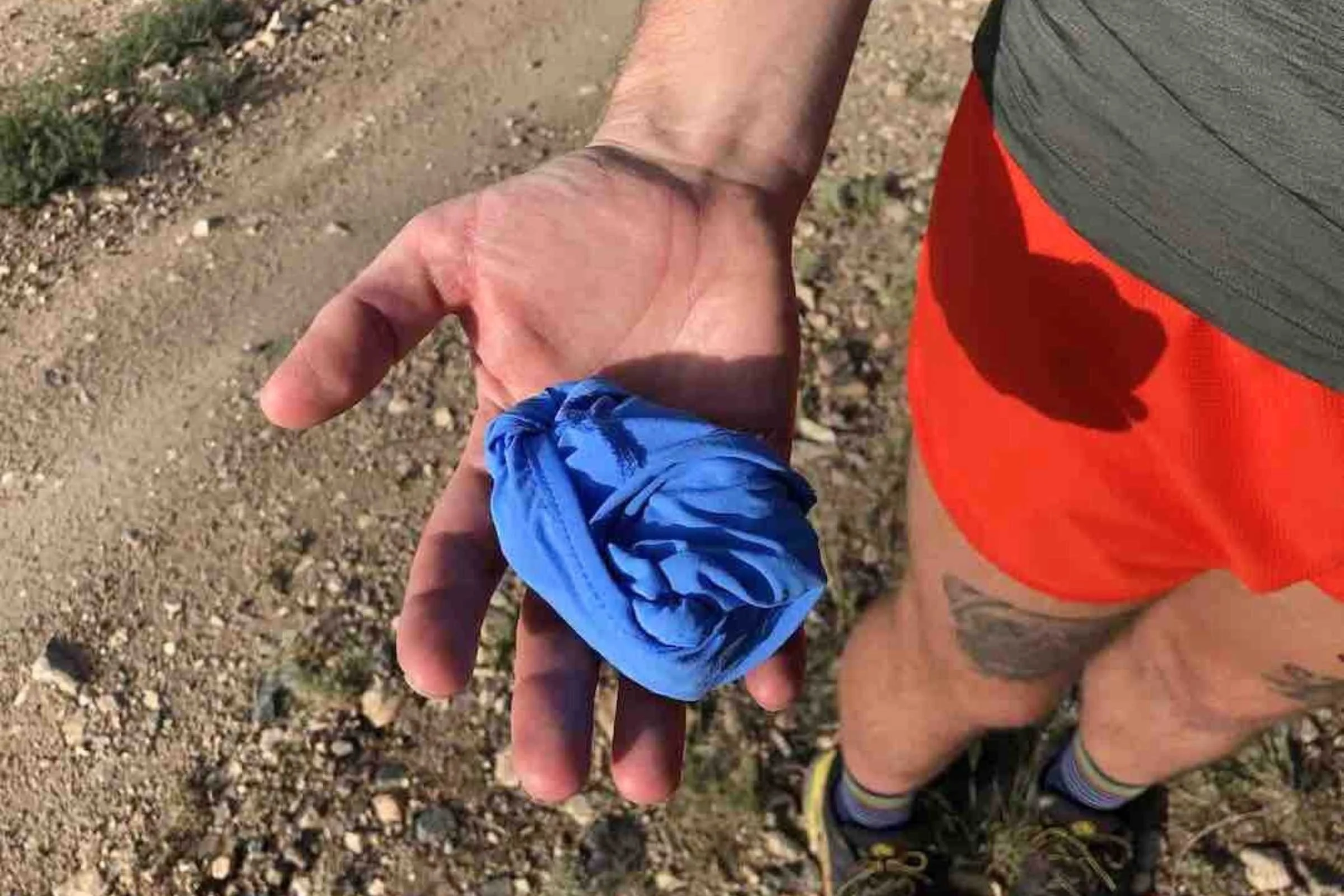
Sometimes, simple is better. Brooks has engineered a hat that disappears on the run. Weighing in at a record-breaking 18g, it utilizes a low-profile silhouette to combat drag and wind resistance. The bungee barrel locks at the back allow for one-handed adjustments on the fly, which we found particularly useful when the wind picks up mid-workout.
While it lacks the heavy-duty sweat management of the Ciele, its packable performance running hats design means it’s the one you’ll always keep in your pocket "just in case." It excels in urban conditions where a slim, understated look is preferred.
Technical Specs
- Weight: 18g
- Brim Type: Short Flexible Brim
- Material: Ripstop Polyester
Pros & Cons
- The lightest option on our list for true minimalist runners.
- Bungee barrel locks provide a custom fit that doesn't slip.
- Takes up almost zero space in a pack or pocket.
- The short brim offers less sun coverage for the cheeks compared to larger caps.
5. Other Notable Mentions: HOKA, Headsweats, and Rnnr
While our top picks cover most bases, several other brands offer specialized features that deserve a spot in your rotation.
HOKA Run Hat: This is a classic choice for road running. It features a traditional five-panel construction but uses modern technical fabrics. It provides a more "standard" hat feel while offering the breathability required for tempo sessions.
Headsweats Performance Race Hat: A staple in the triathlon community, this hat is widely considered the king of visibility. Often available in high-vis neon with reflective running hats for low light visibility features, it is the budget-friendly workhorse for early-morning road runners. Their Eventure knit fabric is famous for taking a beating and coming out of the wash looking brand new.
Rnnr Lightweight Distance Hat: If you struggle with heat trapped at the crown of your head, the Rnnr hat uses unique teardrop ventilation. These horizontal laser cuts allow heat to escape vertically while still protecting the top of the head from direct UV rays. It’s an excellent middle ground between a visor and a full cap.
Buyer's Guide: How to Choose Your Performance Cap
Choosing a running hat depends on the specific environment. For hot weather marathon training, cooling hats with dedicated ice pockets or high-airflow mesh are effective for heat dissipation. In contrast, windy or urban conditions may require hats with secure bungee adjustment systems and low-profile silhouettes to prevent the cap from shifting.
- Closure Systems: Velcro is easy to adjust but can snag long hair. Bungee barrel locks are more durable and provide a more "locked-in" feel.
- UPF Ratings: Not all mesh is created equal. Look for a minimum of UPF 30, though UPF 50 is preferred for high-altitude trail runners to ensure they are getting appropriate running headwear with UPF 50 sun protection.
- Brim Length: Longer brims provide more shade but can catch the wind and obscure your upward vision on steep climbs. Short, "cycling-style" brims are popular for trails as they allow for better peripheral vision while climbing.
Care & Maintenance: Removing Salt Stains
Technical fabrics are designed to pull salt and moisture away from your skin, but over time, that salt can stiffen the fibers and degrade the elastic. Knowing how to wash and care for technical running hats will extend the life of your gear significantly.
- Rinse After Every Run: If you don't have time for a full wash, rinse your hat under cold water to remove the bulk of the salt.
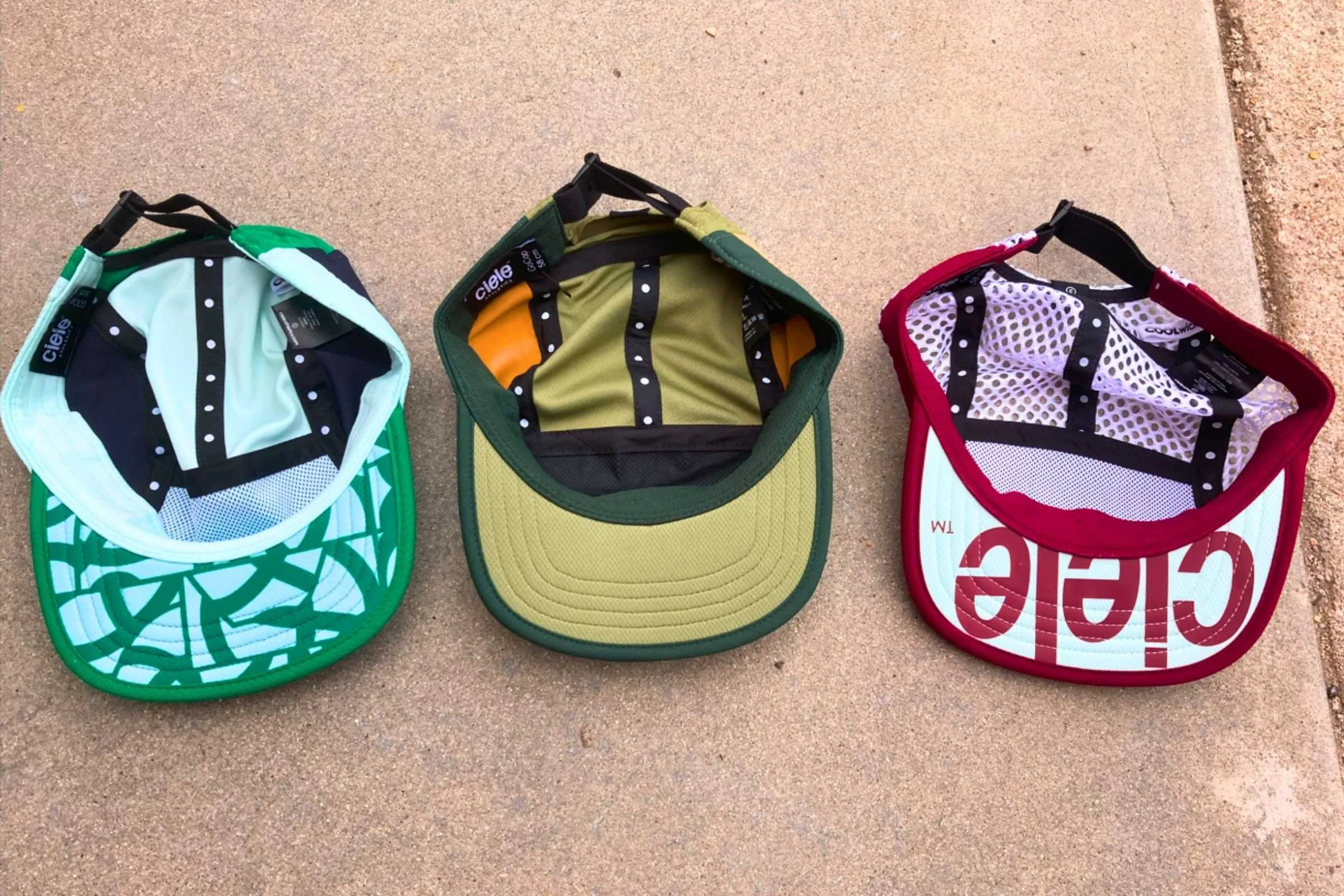
- Machine Washing: Most modern hats like the Ciele GOCap are machine washable. Use a delicate cycle inside a mesh laundry bag to prevent the brim from getting caught in the agitator.
- Salt-Stain Maintenance: For stubborn white salt lines, create a solution of one part distilled white vinegar to four parts water. Gently scrub the brim and sweatband with a soft toothbrush to dissolve the minerals without damaging the antimicrobial properties of the fabric.
- Air Dry Only: Never put your performance hats in the dryer. The high heat can melt the technical fabrics and warp pliable foam brims.
FAQ
What should I look for in a running hat?
Prioritize moisture-wicking materials and a secure, adjustable fit. Look for features that match your typical environment, such as reflective details for road running or high UPF ratings for sun-exposed trails. A pliable or crushable brim is also a major plus for travelers and trail runners.
What is the best material for a sweat-wicking running hat?
Polyester blends and nylon are the industry standards because they do not absorb water like cotton does. Fabrics like COOLwick or AirFly are specifically woven to expand the surface area of the moisture, allowing it to evaporate quickly and providing a cooling effect.
Do running hats actually help keep you cool?
Yes, but the design matters. A hat made of technical mesh facilitates evaporative cooling by pulling moisture away from your skin. However, in extremely humid conditions, some runners prefer a visor to allow for maximum heat escape from the crown of the head. Specialty hats with ice pockets provide even more active cooling.
Do running hats provide UV protection?
Most performance hats provide significant UV protection, often ranging from UPF 30 to UPF 50+. It is important to check the specifications, as very thin mesh panels might offer great breathability but lower sun protection. A quality hat can reduce facial UV exposure by half.
How often should you wash a running hat?
You should ideally rinse your hat after every sweaty run and give it a thorough wash every 3-4 uses. Regular cleaning prevents salt buildup, which can cause skin irritation and break down the technical fibers and elastic components of the cap.