Our Top Picks
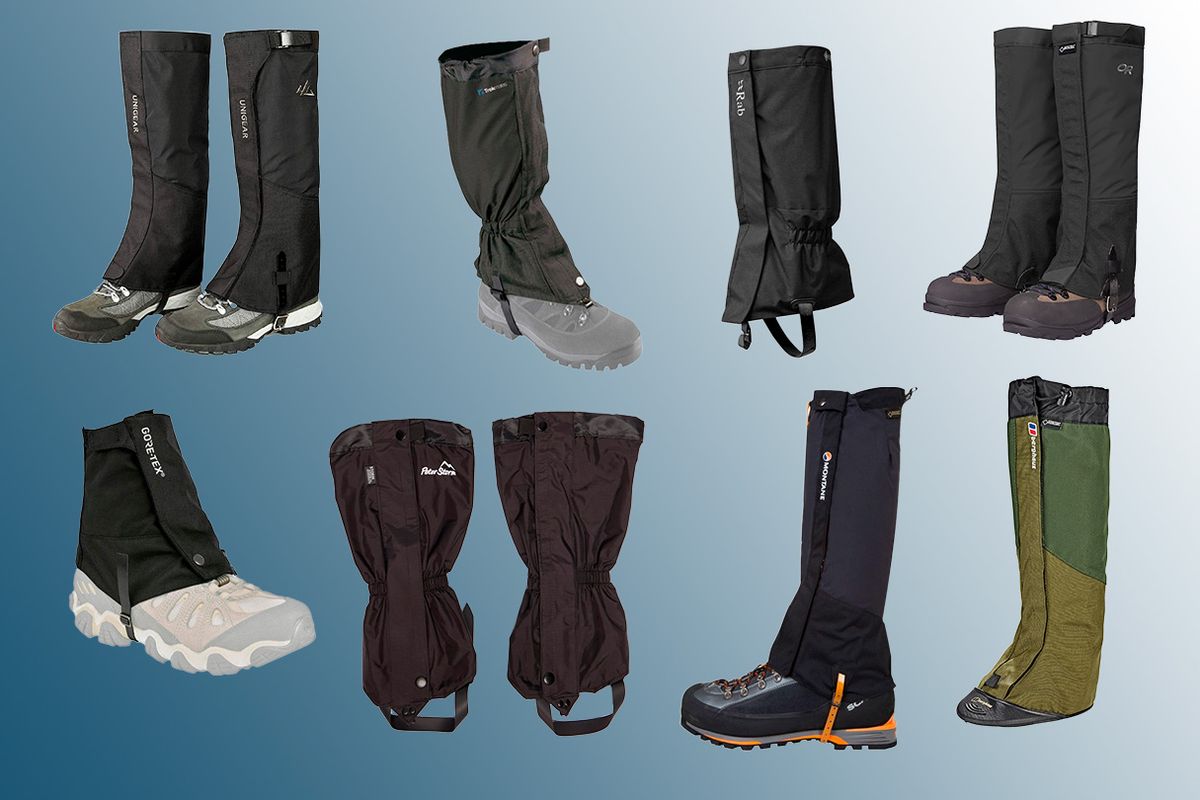
- Best Overall: Outdoor Research Crocodile – The gold standard for durability and protection in harsh, all-season terrain.
- Best for Trail Running: Dirty Girl Gaiters – Lightweight, breathable, and perfect for keeping sand and grit out of your shoes.
- Best for Winter Mountaineering: Black Diamond Frontpoint – A heavy-duty GORE-TEX shield designed for deep snow and ice.
- Best for Thru-Hiking: Outdoor Research Helium – Ultralight, packable, and offers a sleek, minimalist fit for long distances.
- Best Value: Kahtoola INSTAgaiter – A versatile softshell option that balances comfort with solid debris protection.
Choosing the best hiking gaiters depends on your terrain and activity, whether you're navigating deep drifts or sandy trails. After testing dozens of models across 1,500 miles on the Pacific Crest Trail and through slushy Alpine passes, we've selected the top performers for 2025. The best hiking gaiters for most people are mid-length models featuring DWR-treated ripstop nylon, though mountaineers should opt for full-length Gore-Tex. For trail runners, ultralight spandex gaiters are the ideal choice to keep rocks and sand out.
2025 Gaiter Performance Comparison Matrix
| Model | Weight (Pair) | Height | Material | Best For |
|---|---|---|---|---|
| OR Crocodile | 10.2 oz | Knee | GORE-TEX / 1000D Cordura | All-season trekking |
| Dirty Girl | 1.1 oz | Ankle | Spandex / Polyester | Hot weather running |
| BD Frontpoint | 8.8 oz | Knee | GORE-TEX / Ballistic Nylon | Winter peakbagging |
| OR Helium | 2.8 oz | Mid | Pertex Diamond Fuse | Ultralight thru hiking |
| Kahtoola INSTAgaiter | 1.9 oz | Mid | Stretch-woven Nylon | Scree and dust protection |
Best Overall: The All-Terrain Legend
The Outdoor Research Crocodile has been a staple in the backcountry for decades, and the 2025 iteration continues that legacy. During our testing in the North Cascades, these gaiters proved impenetrable against brush and sharp ice. The lower portion is constructed from Abrasion-resistant Cordura, specifically 1000-denier strength, which withstands the occasional accidental kick from a crampon. The upper section utilizes 3-layer GORE-TEX, providing breathability while walking through knee-deep powder.
What sets these apart as the best hiking gaiters is the massive Front hook-and-loop closure. It is over two inches wide, ensuring that even when caked in mud or frozen under a layer of ice, the seal remains tight. We particularly appreciated the triple-bartacked BioThane instep strap. Unlike cheaper rubber versions that snap in rocky terrain, this strap survived 300 miles of jagged granite without a fray.
What We Didn’t Like: They are overkill for summer hiking. The 1000D fabric is heavy and can feel stiff until fully broken in. If you are exclusively a fair-weather hiker, you might find them too bulky. However, for those who need durable gore-tex gaiters for mountaineering, there is simply no better option.
Best for Trail Runners: Ultralight Debris Protection
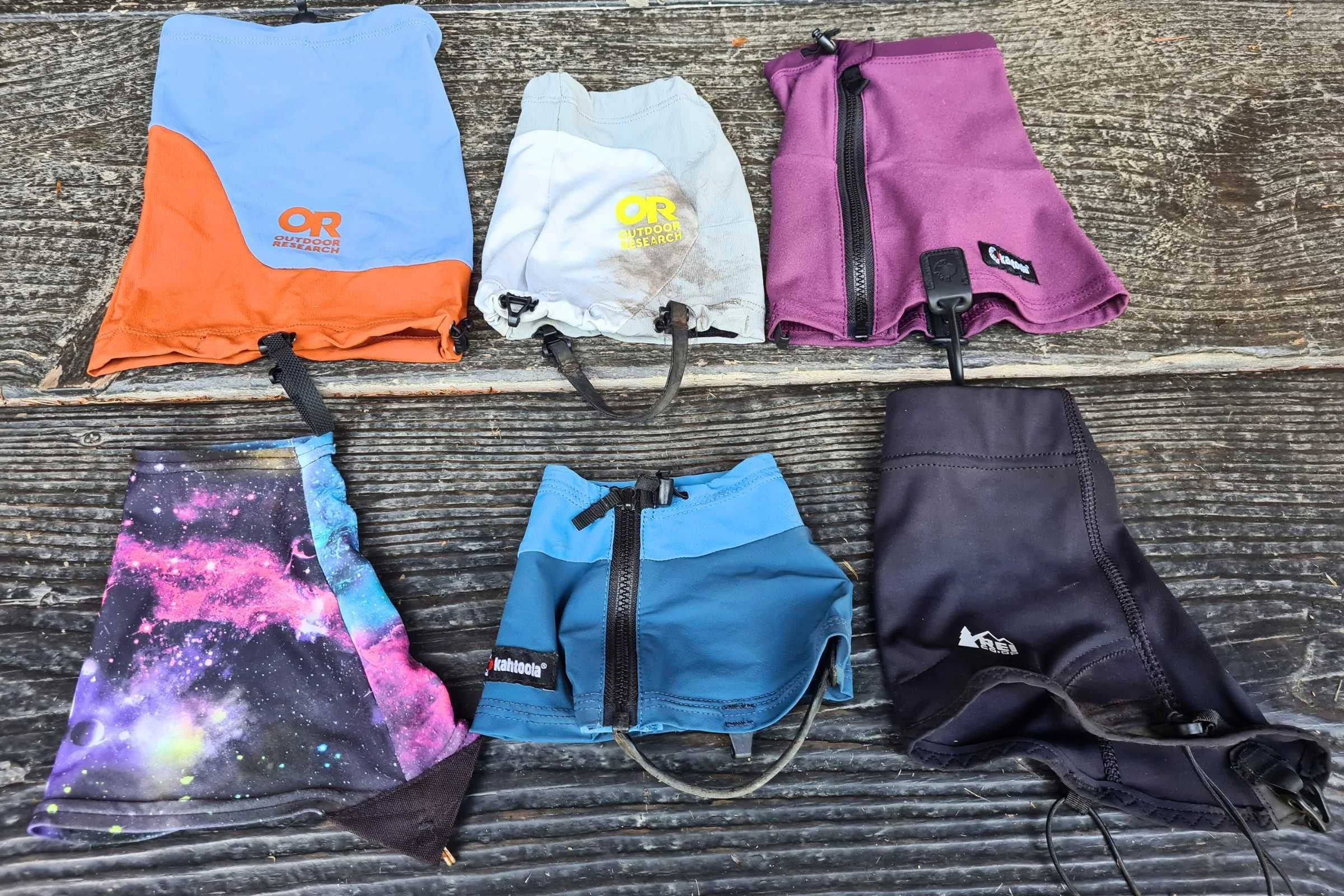
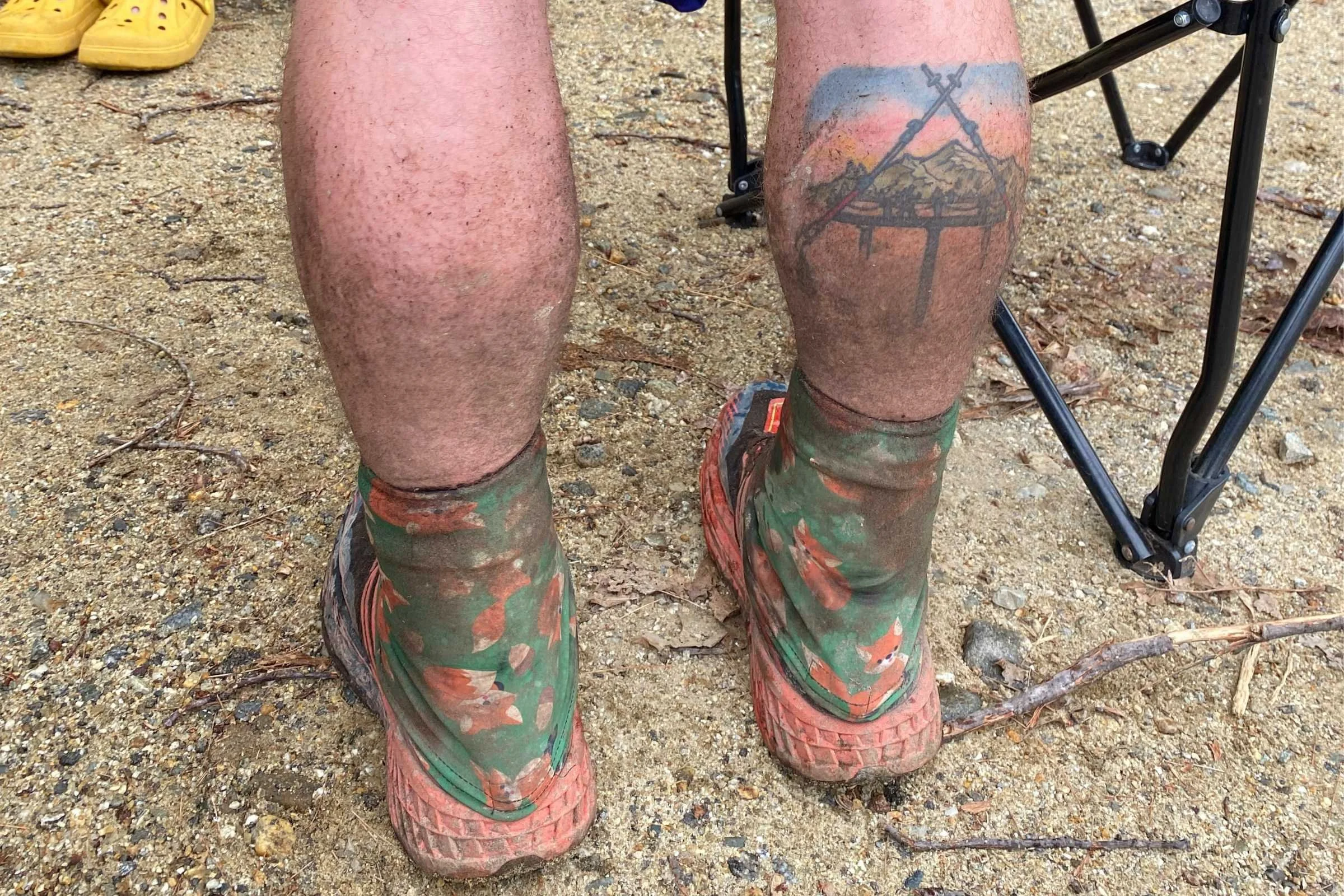
When you move fast, weight is everything. The Dirty Girl Gaiters (and similar spandex-based models) have become the default choice for the trail running community. These trail running shoe gaiters focus almost exclusively on scree and dust protection. During a 50k desert run, they kept every grain of sand out of our shoes, effectively preventing the hot spots and friction that lead to blisters.
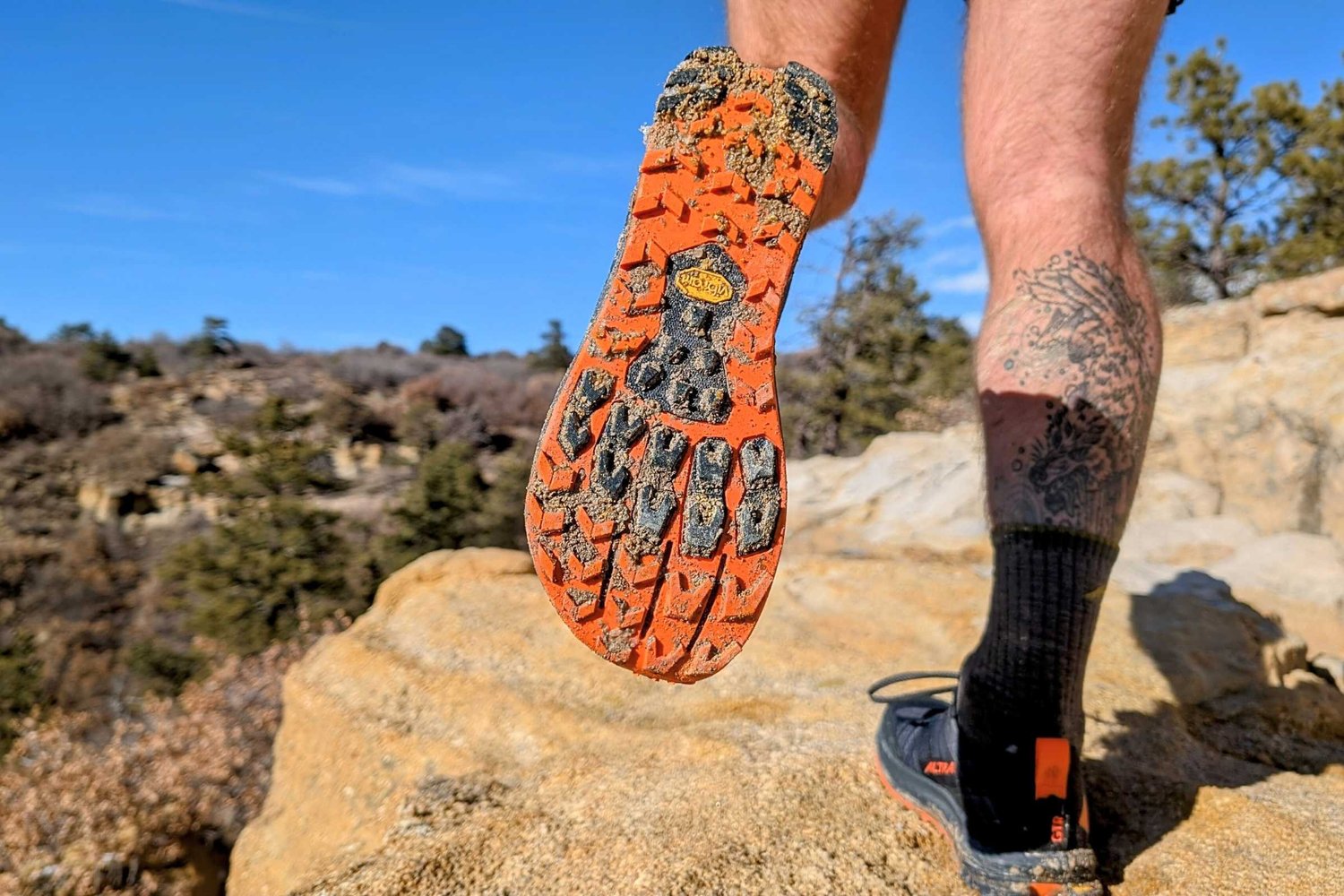
The design relies on a simple hook that attaches to your laces and a Velcro tab that sticks to the heel of your shoe. Many modern shoes like Altra now include a built-in gaiter trap, making this connection even more seamless. The polyester/spandex blend is incredibly breathable, which is essential for hot weather hiking where traditional waterproof snow gaiters would cause your feet to overheat and sweat excessively.
What We Didn’t Like: These offer zero water resistance. If it rains, they will get heavy and stay wet longer than synthetic nylon. Additionally, the thin material provides no protection against heavy brush or thorns; they are purely for keeping out fine debris.
Best for Deep Snow & Winter Mountaineering
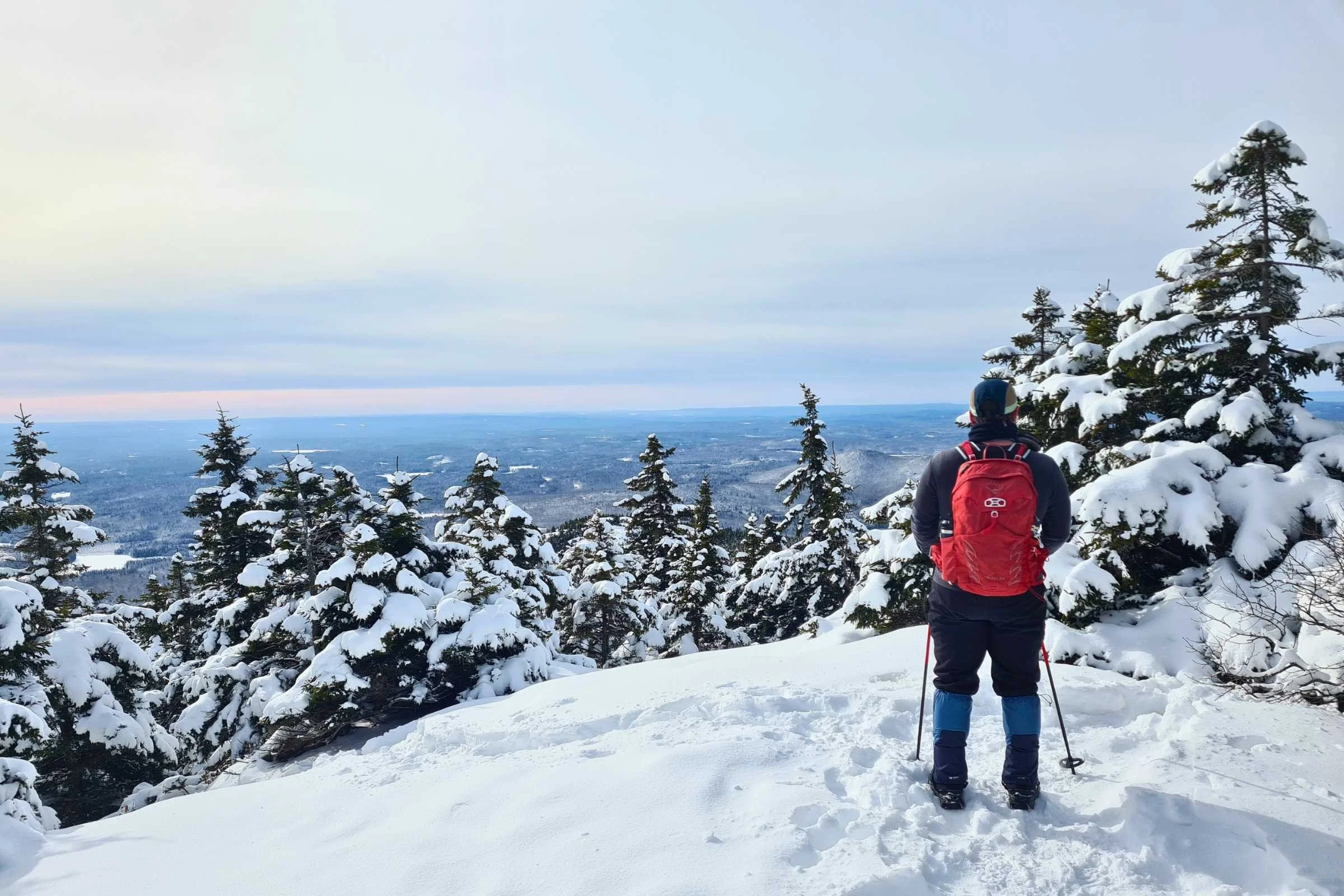
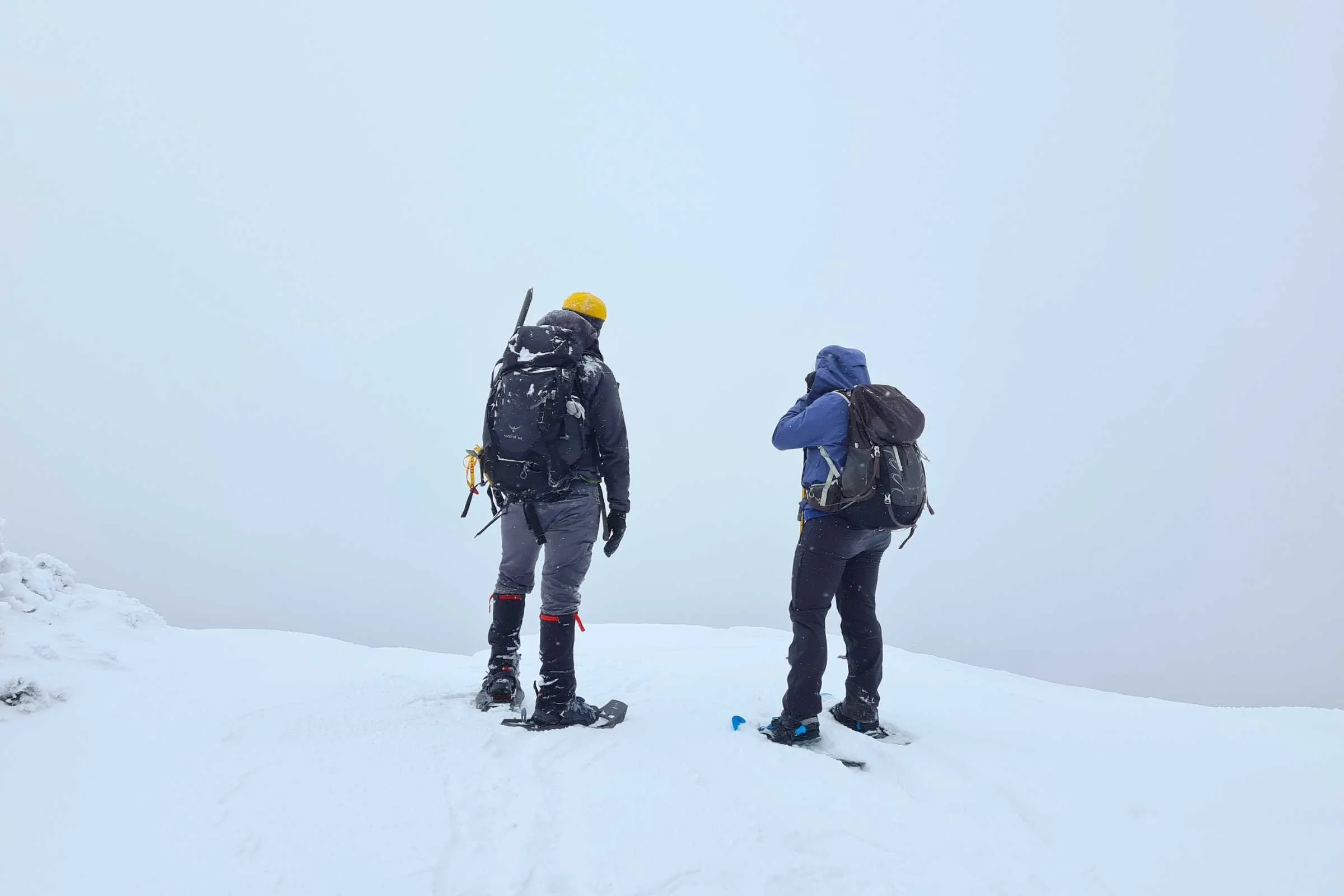
Extreme cold and knee-deep snow require a different set of technical features. The Black Diamond Frontpoint is designed with a narrow fit that stays out of the way of your crampon points while providing a total barrier against moisture. These are dedicated waterproof snow gaiters for winter hiking that use a full-height GORE-TEX upper and a reinforced ballistic nylon lower.
The key to their performance in winter peakbagging conditions is the secure fit. The top buckle adjustment is easy to operate even with thick gloves on, and the replaceable TPU instep straps are designed to handle sub-zero temperatures without becoming brittle. In our testing on New Hampshire’s Mt. Washington, the Frontpoints kept our lower legs remarkably warm by trapping a layer of air against the boot, acting as a critical piece of insulation.
What We Didn’t Like: The fit is quite narrow. If you have very thick calves or are wearing bulky insulated trousers, you might find them tight. Always measure your calf circumference with your full winter kit on before purchasing.
Buyer’s Guide: Choosing the Right Gaiter Height and Material
Selecting from the best hiking gaiters in 2025 requires an understanding of how modern fabrics have evolved. According to recent market analysis, synthetic materials dominated the hiking gear market with a 68.7% share in 2024. This is because high-denier nylon and polyester offer the best balance of weight and moisture-wicking properties.
Understanding Gaiter Height
- Low/Ankle Gaiters: Best for trail runners and summer hikers on well-maintained trails. They provide scree and dust protection and help with blister and chafing prevention.
- Mid-Height Gaiters: Usually 8 to 12 inches tall. These are the best ultralight gaiters for thru hiking as they offer a bit of mud protection without the weight of a full-length model.
- Tall/Knee-High Gaiters: Essential for waterproof snow gaiters for winter hiking. They protect against deep snow, heavy mud, and provide a layer of tick protection by sealing the gap between your pants and shoes.
Material Performance
The global trail running gaiters market reached a valuation of USD 348.5 million in 2024, largely driven by advancements in Ripstop nylon uppers. These modern fabrics have enabled weight savings of 30% to 40% compared to gear from a decade ago. When looking for high-performance gear, check the Denier (D) rating. A 70D upper is great for breathability, but you want at least 500D to 1000D on the lower inner leg to resist abrasion from rocks and brush.
Pro-Tips: How to Fit and Maintain Your Gaiters
A common mistake is buying the best hiking gaiters but wearing them in a way that allows water to seep in. To achieve the best results, you must master the "shingled effect."
How to Fit Hiking Gaiters Successfully
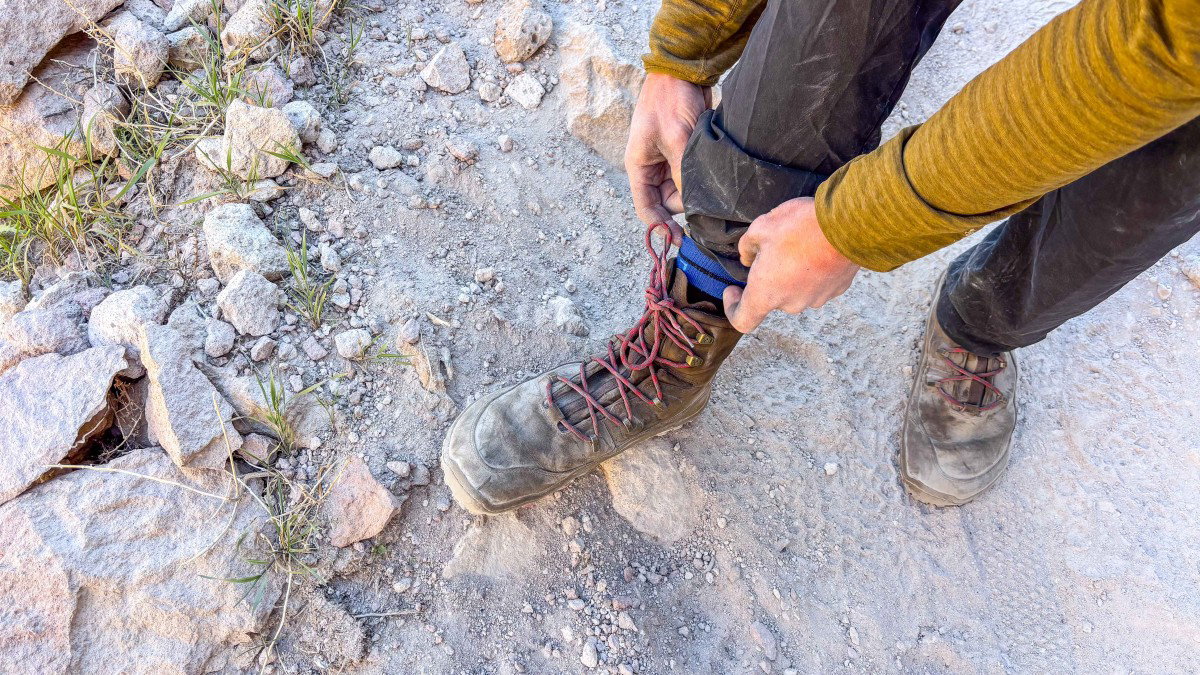
- Start with the Lace Hook: Secure the front lace hook as far down the laces as possible. This creates the primary seal over the tongue of the shoe.
- The Hook-and-Loop Seal: Wrap the gaiter around your leg. Ensure the Front hook-and-loop closure is centered and flat. Any wrinkles here will eventually leak moisture.
- Adjust the Strap: Tension the instep strap so it sits flush under the arch of your boot. If it hangs loose, you risk tripping or snagging it on a branch. If you are learning how to fit hiking gaiters for boots, ensure the strap sits in the groove of the boot’s sole (the shank).
- Top Tension: Tighten the top calf adjustment just enough to keep the gaiter from sagging. Don't over-tighten, or you will restrict blood flow and create sweat.
Maintenance and DIY Repair Hacks
To ensure your gear lasts, you must know how to clean and care for hiking gaiters. After a muddy trip, never put them in the dryer. Rinse them with a hose and let them air dry. Every season, we recommend reapplying a DWR-treated fabrics spray to the uppers to maintain water-beading performance.
If you're in the field and an instep strap breaks, don't worry. A heavy-duty zip tie threaded through the strap loops works as an excellent temporary fix. For small tears in GORE-TEX sections, a dab of E6000 adhesive or a piece of Tenacious Tape will restore the waterproof seal instantly.
FAQ
Are hiking gaiters really necessary?
They aren't mandatory for every hike, but they are essential in specific conditions. If you are hiking through deep snow, mud, or heavy sand, gaiters keep your socks dry and your shoes free of debris. They also provide a significant layer of protection against ticks and leeches in overgrown areas.
How do I choose the right size for hiking gaiters?
Most gaiters are sized based on your boot size, but you should also consider your calf circumference. If you have particularly large calves or plan to wear them over heavy winter trousers, consider sizing up. A good fit should be snug enough to stay in place but loose enough to allow full range of motion.
Should gaiters be worn over or under waterproof trousers?
For the best rain protection, most experts recommend wearing gaiters under your rain pants. This creates a shingle effect where rain runs down the trousers and over the outside of the gaiter. However, for snow and mud, most people wear them over their trousers to keep the bottoms of the pants clean and dry.
Do hiking gaiters keep your feet dry in rain?
Gaiters are not a substitute for waterproof boots. They bridge the gap between your boots and your pants to prevent water from entering through the top of the shoe. While they help immensely in wet grass or light rain, your feet will still get wet if your boots aren't waterproof or if you submerge them in a deep stream.
Do gaiters help prevent tick bites while hiking?
Yes, they are highly effective. By sealing the gap between your footwear and your pants, you eliminate a primary entry point for ticks. For the best protection in tick-heavy areas, use full-length gaiters and consider treating them with a permethrin spray.
Can you use gaiters with trail running shoes?
Absolutely. There are many specialized trail running shoe gaiters designed specifically for low-profile footwear. These are usually made of lightweight, stretchy materials like spandex or thin nylon and focus on keeping out gravel, dust, and pine needles rather than providing heavy waterproofing.