Our Top Picks
The best Case knives for outdoor adventures include the Mini CopperLock for weight-conscious hikers and the Ridgeback Hunter for field dressing. For camp kitchen work, the Sod Buster Jr offers the best balance of price and utility. If you are looking for modern performance, the Marilla represents the pinnacle of current Case engineering with its high-end steel and flipper action.
Searching for the best Case knives for the backcountry? For 2026, the Mini CopperLock leads for ultralight backpacking, while the Sod Buster Jr remains the gold standard for camping utility. For heavy-duty tasks, Case hunting knives like the Ridgeback Hunter offer unmatched durability. Whether you prefer Tru-Sharp stainless or performance S35VN, Case's American-made blades balance traditional craftsmanship with modern outdoor needs.
How We Field-Tested These Blades
To determine which models truly earn a spot in your pack, we spent 12 months putting these tools through rigorous real-world scenarios. Our testing ground spanned the humid, wooded trails of Minnesota to high-altitude mountain camps where gear failure isn't an option. We focused specifically on edge retention properties when carving hardwood, ergonomic grip in wet conditions, and how easy each tool was to manage regarding field maintenance.
A primary concern for any backpacker is rust and oxidation resistance, especially when transitioning from the heat of the day to the dampness of a night in a tent. We pushed these knives through daily camp chores: slicing paracord, preparing trout, whittling tent stakes, and even some light batoning for kindling. This wasn't a lab test; it was a year of life on the trail to see how American cutlery heritage stands up to modern backcountry utility.
1. Case Mini CopperLock: The Ultralight Backpacker’s Choice
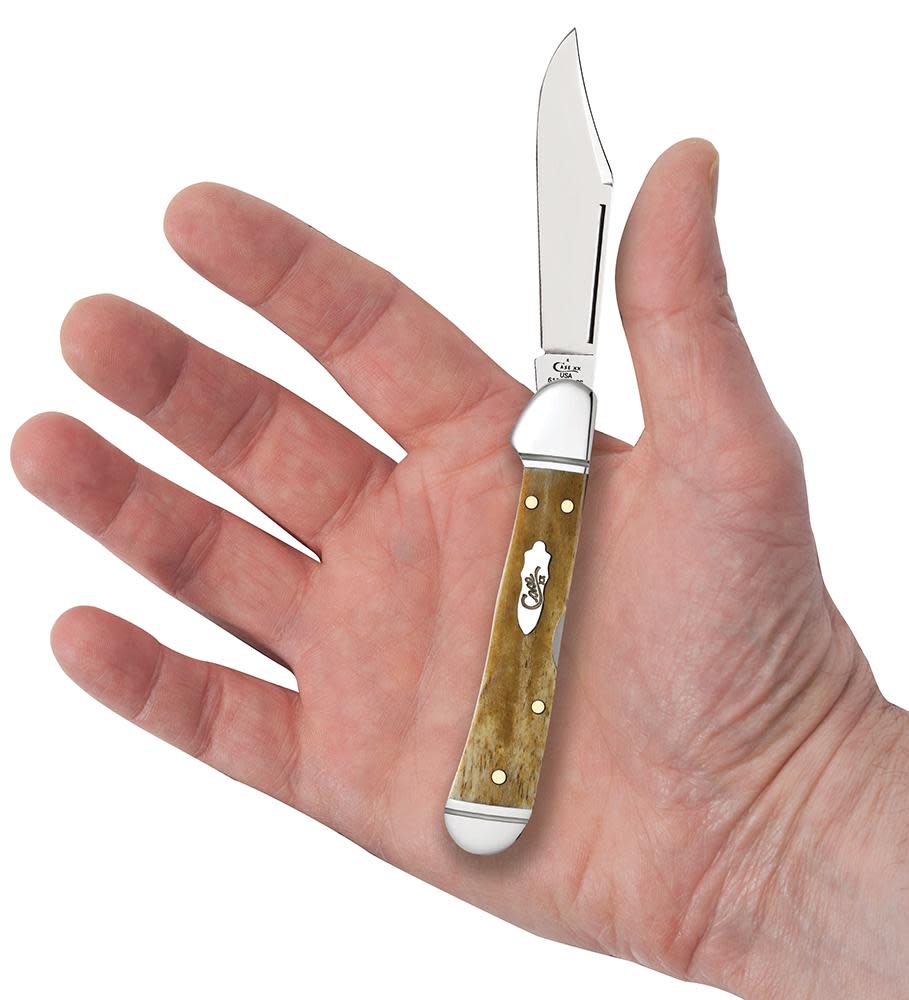
For the gram-counters and the thru-hikers, the Case Mini CopperLock is a revelation in portability. Every ounce matters when you are climbing 3,000 feet of elevation in a single afternoon. This knife is specifically designed to be portable, weighing approximately 2 ounces with a pocket-friendly closed length of 3.63 inches.
What sets this apart from a standard pen knife is the lockback design. It provides a level of security that traditional slipjoints lack, making it much safer for piercing tasks or heavy slicing. The blade is typically crafted from Tru-Sharp surgical stainless steel, which is a high-carbon content steel that helps the blade hold an edge longer than conventional steel while offering great corrosion resistance.
Tester’s Notes: We carried the Mini CopperLock on a 50-mile section of the Superior Hiking Trail. Its slim profile meant we forgot it was in our pocket until we needed it. When compared to the Case Mini CopperLock vs Sod Buster Jr for trail carry, the CopperLock wins for those who want a locking blade in the lightest package possible.
Buy me if: You prioritize a sub-3 oz weight and want the safety of a locking blade without the bulk of a modern tactical knife. It is easily one of the best Case pocket knives for ultralight backpacking available today.
2. Case Sod Buster Jr: The Ultimate Camp Kitchen Utility
If you ask a seasoned camper which tool they trust most for food prep, the Sod Buster Jr often tops the list. Its "skinner" blade shape features a deep belly and a fine edge, making it one of the top rated Case folding knives for camping food prep. Whether you are slicing summer sausage or dicing onions on a flat rock, the blade geometry is nearly perfect.
The Sod Buster Jr uses a simple slipjoint mechanism, meaning there is no lock to fail or get gunked up with food debris. This makes it among the easiest Case knives to clean and sharpen in the field. When we tested the Dymalux handle version, we found it to be incredibly moisture-resistant, which is a major upgrade over traditional wood handles that can swell or warp when exposed to the elements around a wet campsite.
Tester’s Notes: The lack of a pocket clip on the traditional Sod Buster Jr means it sits deep in your pocket. However, its rounded edges make it very comfortable for long periods of whittling. We found the slipjoint tension to be "just right"—firm enough to be safe but easy enough to open with cold fingers.
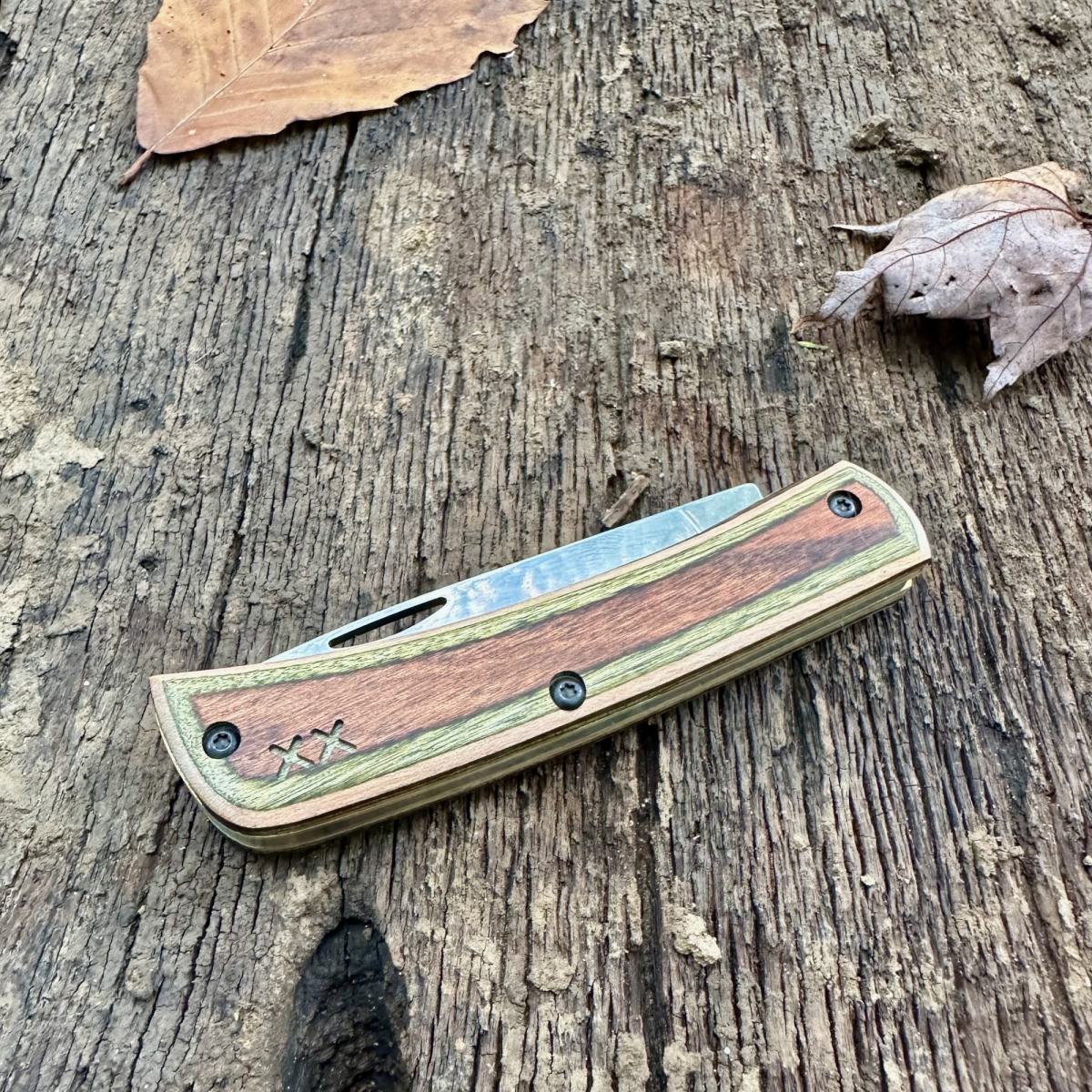
3. Case Ridgeback Hunter: Specialized for the Rugged Hunter
Not every task can be handled by a folding knife. For those who head into the backcountry with a tag in their pocket, Case hunting knives with fixed blades for field dressing are essential. The Ridgeback Hunter, designed by legendary knife maker Blackie Collins, features a fixed-blade stability that no folder can replicate.
The ergonomic thumb grip on the spine allows for precision control when skinning or performing detailed work. We tested both the Rosewood and the G-10 handle versions. While the Rosewood looks stunning, we recommend the G-10 or Dymalux for actual hunting because they provide a superior grip when things get messy. As far as Case hunting knives go, this one is built for heavy lifting. Its manufacturing craftsmanship is evident in the seamless fit between the tang and the handle scales.
Tester’s Notes: During a late-season deer hunt, the Ridgeback performed flawlessly. The fixed blade meant we didn't have to worry about blood or hair getting into a folding mechanism. It’s a dedicated tool for someone who views backcountry utility as a necessity rather than a hobby.
4. Case Marilla: Modern Performance for Survivalists
While Case is famous for its history, the Marilla proves they can compete in the modern tactical and survival arena. This knife was awarded the American-Made Knife of the Year at the 2021 Blade Show, and for good reason. It features a flipper opening and a S35VN steel blade, which is a significant step up in terms of Rockwell hardness and durability.
In a Case knives Tru-Sharp vs S35VN steel comparison, the S35VN is the clear winner for heavy-use camping. It stays sharp through days of wood processing and cordage cutting. The Marilla also features a frame lock and G-10 handle inlays for a rock-solid grip. It feels more like a modern survival tool than a traditional pocket knife, bridging the gap for the 21st-century woodsman.
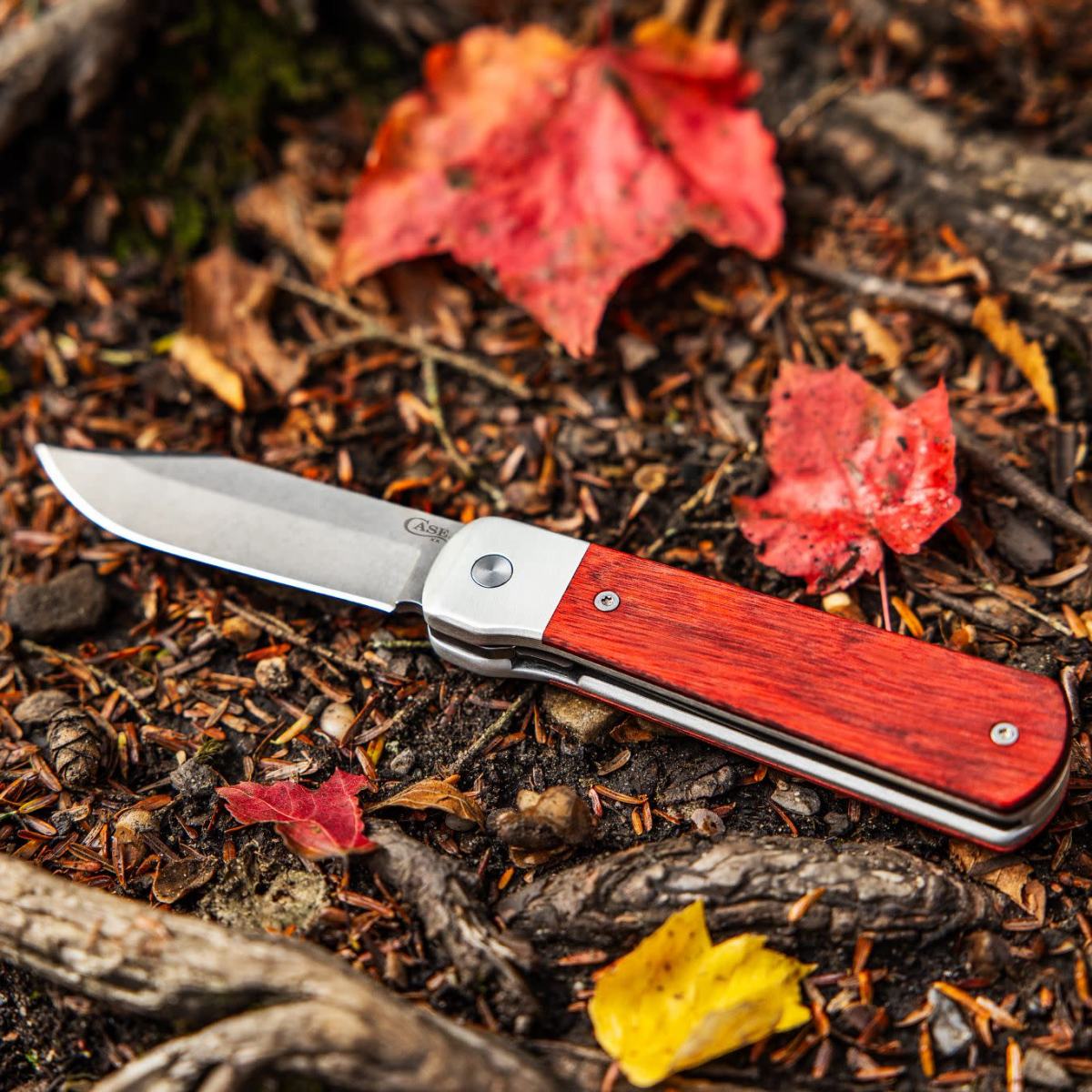
5. Case Trapper: Traditionalism Meets Field Utility
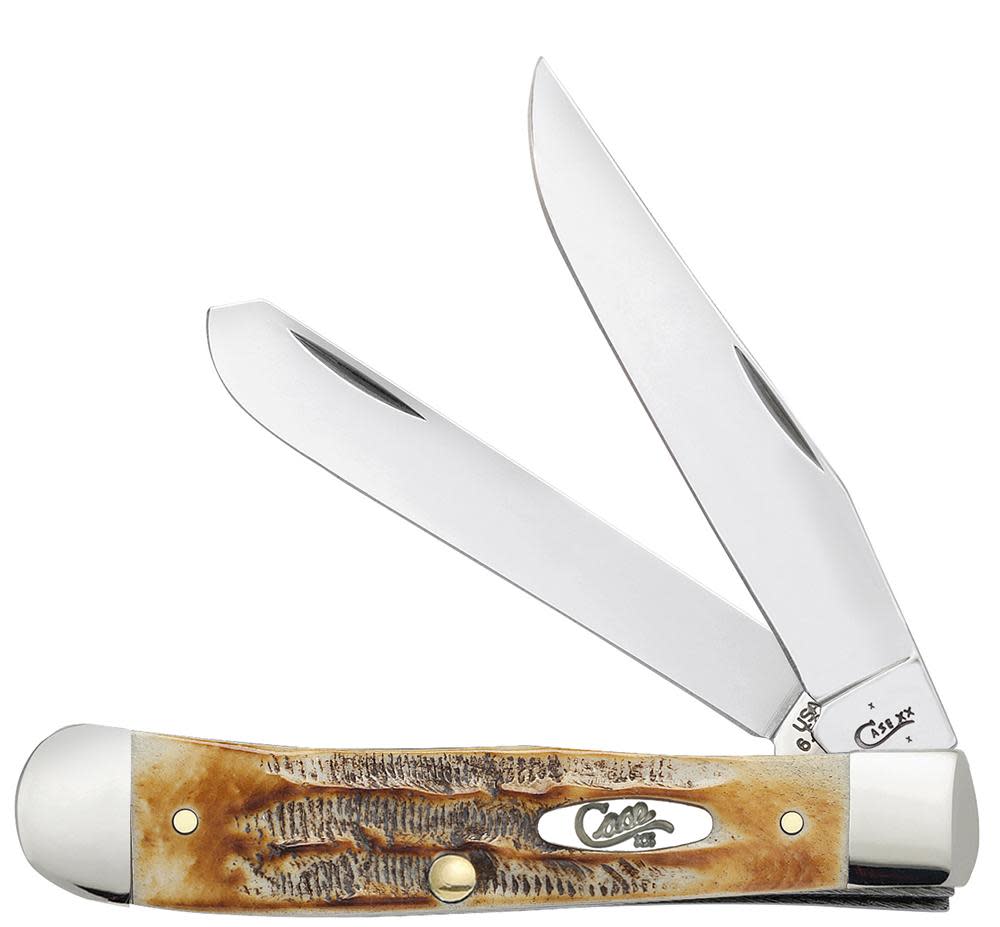
The Trapper is perhaps the most iconic pattern in American cutlery heritage. It features two blades: a clip blade and a spey blade. This dual-blade configuration is what makes it one of the most versatile Case folding knives for camping. The clip blade is your all-purpose tool—opening packages, cutting rope, or slicing fruit. The spey blade, originally designed for neutering livestock, serves as a fantastic specialized tool for precision cutting tasks where you don't want to accidentally pierce your material.
The BoneStag handle on many Trapper models gives it an aesthetic that feels at home around a campfire at dusk. Even though it's a slipjoint traditionalism enthusiast's dream, it remains a workhorse. Each individual knife typically passes through 125 pairs of hands during its hand-crafting process, ensuring that the "walk and talk" (the sound and feel of the blade opening and closing) is perfect.
Comparison of the Best Case Knives
| Model | Weight | Steel Type | Blade Length | Best Use Case |
|---|---|---|---|---|
| Mini CopperLock | 2.0 oz | Tru-Sharp | 2.72 in | Ultralight Hiking |
| Sod Buster Jr | 2.1 oz | S35VN / SS | 2.80 in | Camp Kitchen |
| Ridgeback Hunter | 4.2 oz | Tru-Sharp | 4.13 in | Hunting/Survival |
| Marilla | 3.6 oz | S35VN | 3.40 in | Modern EDC |
| Trapper | 4.0 oz | Tru-Sharp | 3.25 in | General Utility |
Buyer’s Guide: Choosing the Right Case Knife Materials
Selecting the right materials is the difference between a tool that lasts a season and one you pass down to your grandkids. When looking at Case knife blade materials, you generally choose between Tru-Sharp surgical stainless steel, Chrome Vanadium (CV), and high-end PM steels like S35VN.
Understanding Blade Steels
Tru-Sharp stainless is the standard for a reason: it offers exceptional rust and oxidation resistance. If you are camping in wet, humid environments or doing a lot of food prep, this is usually the best choice. It is also quite easy to sharpen using a simple field stone. However, if you do a Case knives Tru-Sharp vs S35VN steel comparison, the S35VN offers much better edge retention properties and toughness. It won't chip as easily and stays sharp through abrasive tasks like cutting cardboard or heavy rope.
Handle Materials for the Trail
While traditional bone and wood handles are beautiful, they can be slippery when wet. For a dedicated outdoor knife, consider materials like Dymalux or G-10. Dymalux is an infused wood laminate that is essentially waterproof. G-10 is a fiberglass-based epoxy resin that is nearly indestructible and provides a very high-friction grip, which is essential for safety during field dressing or heavy slicing.
Evaluating the Craftsmanship
Since W.R. Case & Sons Cutlery Company has maintained a manufacturing heritage in the United States since 1889, you are buying into a long history of American craftsmanship. When you receive your knife, check for the "snap" of the blade and the flush fit of the backspring. These are signs of a well-made traditional folder.
FAQ
Are Case knives still made in the USA?
Yes, Case has remained committed to its roots. Every Case knife is manufactured in Bradford, Pennsylvania, where the company has operated for well over a century. This dedication to American craftsmanship is a core part of the brand's identity and ensures a high level of quality control through their 125-step hand-crafting process.
What is the best steel for a Case knife?
The "best" steel depends on your specific needs. For absolute ease of maintenance and rust resistance, Tru-Sharp surgical stainless steel is preferred. For maximum edge retention and durability in harsh conditions, the newer S35VN or CPM20CV steel options found in their modern performance line are superior.
What is the difference between Case CV and stainless steel?
Chrome Vanadium (CV) is a carbon-based steel that is prized by traditionalists because it can be sharpened to an incredibly fine edge and will develop a unique patina over time. However, it requires more care to prevent rust. Tru-Sharp stainless steel is much more forgiving in wet environments and requires less maintenance to keep its polished look.
How do I clean and maintain a Case pocket knife?
The key to field maintenance is keeping the pivot clean. Use a small brush or toothpick to remove lint and debris from the handle. For cleaning, warm soapy water works well, provided you dry the knife thoroughly afterward. Periodically apply a drop of food-safe mineral oil to the joints and the blade to ensure smooth operation and prevent oxidation.
Which Case pattern is your go-to for the trail? Whether it is a reliable slipjoint or a modern locker, these American-made tools are built to survive the journey. Share your favorite trail companion in the comments below!