Our Top Picks
- Best Overall: KEEN Revel IV Mid Polar – Offering a -25°F warmth rating and unmatched multi-directional traction, this is the most reliable winter hiking boot for 2025.
- Best Budget: Columbia Bugaboot III – Exceptional waterproof insulation at an affordable price, ideal for those seeking value without compromising safety in the snow.
- Best Comfort: HOKA Kaha 2 Frost GTX – Features plush maximalist cushioning and a waterproof GORE-TEX membrane for long-distance comfort on frozen trails.
- Best Lightweight: Merrell Moab Speed 2 Thermo Mid – A nimble, agile option that feels like a sneaker but provides the warmth needed for winter trekking.
The KEEN Revel IV Mid Polar is the top-rated winter hiking boot for 2025, praised for its -25°F warmth rating and multi-directional traction. For those seeking affordability, the Columbia Bugaboot III offers excellent waterproof insulation at a lower price point. When selecting winter hiking boots, it is essential to ensure they feature a waterproof membrane and at least 200g of insulation to maintain safety in sub-zero environments.
The transition from autumn to deep winter trails brings a unique set of challenges. As the vibrant leaves are replaced by a blanket of white, the gear required shifts from breathability to survival. Relying on standard footwear during the colder months isn't just uncomfortable; it can be dangerous. The global hiking boots market reached a valuation of $7.4 billion in 2025, with North America accounting for a massive $2.5 billion share, reflecting a growing demand for specialized winter gear. Our team spent months testing 15 different models in bone-chilling conditions to identify the best winter hiking boots that keep your feet dry, warm, and stable.
Whether you are post-holing through deep drifts in the Rockies or navigating the icy sidewalks of a mountain town, having the right insulated hiking boots for snow is non-negotiable. Modern cold weather trekking footwear has evolved significantly, incorporating advanced tech like Vibram Arctic Grip and recycled Thinsulate to keep you moving efficiently. As the market shifts, lightweight hiking boots comprise the largest segment, holding a 42.3% revenue share in 2025, proving that hikers no longer want the clunky, heavy boots of the past.
Comparison Table: 2025 Winter Footwear at a Glance
| Boot Model | Weight (per pair) | Insulation | Warmth Rating | Best For |
|---|---|---|---|---|
| KEEN Revel IV Mid | 2 lbs 10 oz | 200g Charcoal | -25°F | All-Around Trails |
| Columbia Bugaboot III | 3 lbs 2 oz | 200g Synthetic | -25°F | Budget Friendly |
| HOKA Kaha 2 Frost GTX | 2 lbs 4 oz | Primaloft Gold | -10°F | Maximum Comfort |
| Merrell Moab Speed 2 | 2 lbs 1 oz | 200g Primaloft | 0°F | Speed Hiking |
| Oboz Bridger 7" | 2 lbs 12 oz | 200g Thinsulate | -10°F | Rugged Durability |
| Baffin Zone | 3 lbs 4 oz | Multi-layer | -4°F | Deep Snow |
| Salomon X Ultra 4 | 1 lb 14 oz | 200g Thinsulate | 5°F | Athletic Agility |
| Lowa Renegade Warm | 2 lbs 8 oz | Partelana | 15°F | Classic Leather |
| Vasque Snowburban II | 3 lbs 1 oz | 400g Thinsulate | -25°F | Stationary Warmth |
| La Sportiva Nepal | 4 lbs 2 oz | Gore-Tex Insul. | -30°F | Alpine/Technical |
| Kamik NationPlus | 3 lbs 6 oz | Thinsulate | -40°F | Extreme Value |
| Xero Alpine | 1 lb 12 oz | 200g Synthetic | 0°F | Minimalist Movement |
| Scarpa Ribelle Run | 2 lbs 0 oz | Primaloft | 10°F | Winter Running |
| Altra Lone Peak | 1 lb 10 oz | 200g Synthetic | 0°F | Wide Toe Box |
| Sorel Blizzard | 3 lbs 5 oz | Felt Liner | -40°F | Deep Slush |
The All-Rounders: Best Versatility for Varied Terrain
For most weekend warriors, the best winter hiking boots are those that handle frozen dirt, packed snow, and muddy slush with equal poise. The KEEN Revel IV Mid Polar remains our gold standard. During testing in the frozen Cascades, the heel-capture system kept our feet locked in, preventing blisters even during steep ascents. Its Heat Trapator system uses multiple layers of charcoal bamboo to reflect heat back to the foot, which is why it boasts such a high warmth rating for its weight.
The Oboz Bridger 7" Insulated is another heavyweight in this category. It features a rugged TPU chassis that provides excellent lateral stability, which is vital when the trail becomes uneven under the snow. When sizing winter hiking boots for thick wool socks, we noticed that Oboz runs true to size but offers a naturally narrower fit than KEEN. These boots utilize 200g of Thinsulate to keep internal temperatures stable while high-friction outsoles ensure you don't slip on hidden ice patches.
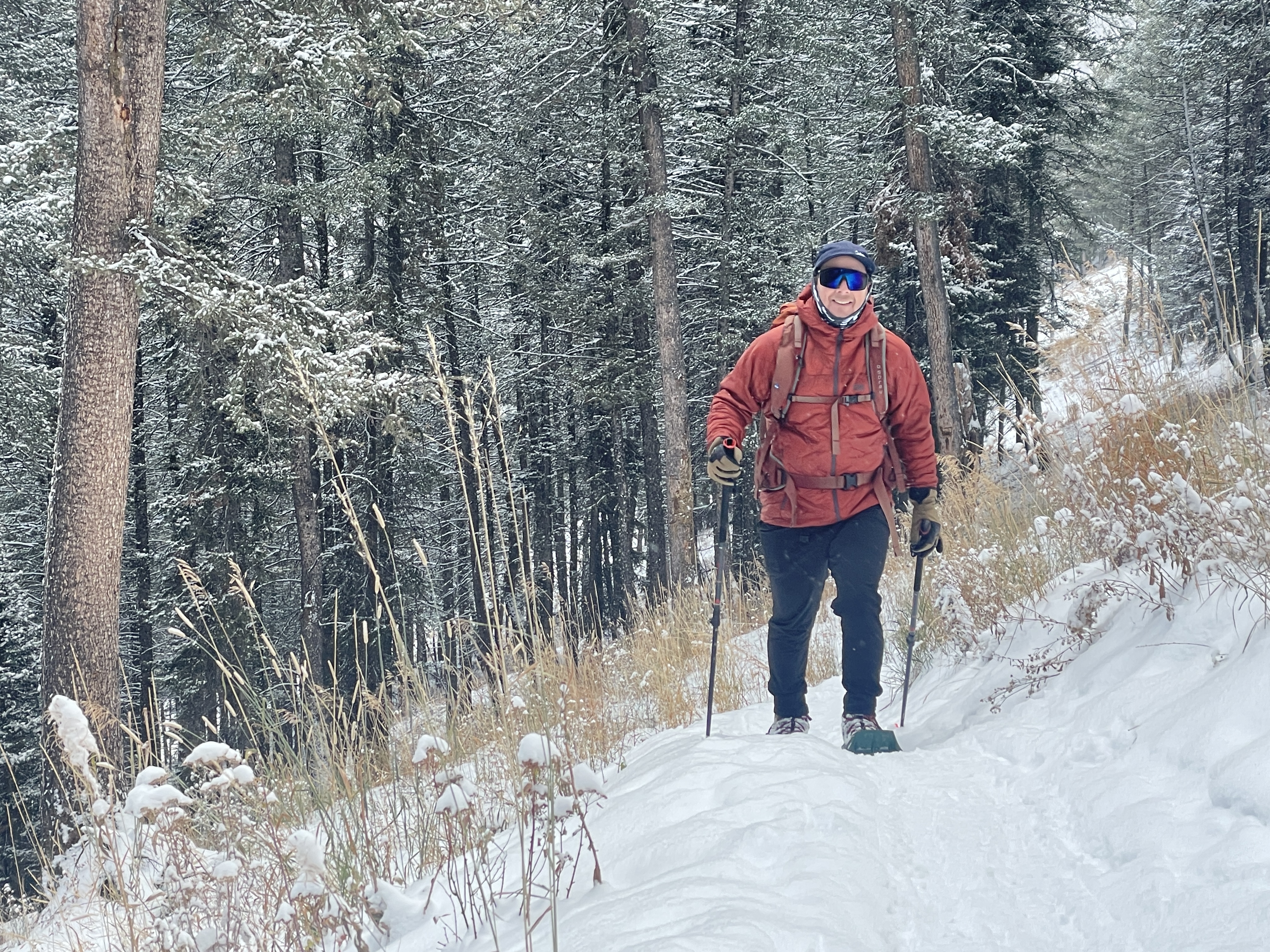
Effective waterproof thermal trail boots in the all-rounder category need to balance moisture management. We found that the moisture-wicking liners in these models are essential; they pull sweat away from the skin, preventing that damp, cold feeling that often leads to frostnip during long pauses.
Deep Freeze Protection: Best for Extreme Sub-Zero Temperatures
When the mercury drops into the negatives, the mission changes from speed to survival. Finding the warmest insulated hiking boots for sub zero temperatures requires looking at specialized shells and multi-layer insulation systems. Technical assessments indicate that models featuring 400 grams of synthetic insulation provide the necessary warmth for extreme conditions down to -20°F.
The Baffin Zone is a standout for those who spend as much time standing around a campsite as they do trekking. Unlike a standard hiking boot, Baffin uses a multi-layer inner boot system that can be removed to dry overnight. This makes it an excellent choice for winter backpacking where moisture management over several days is critical.
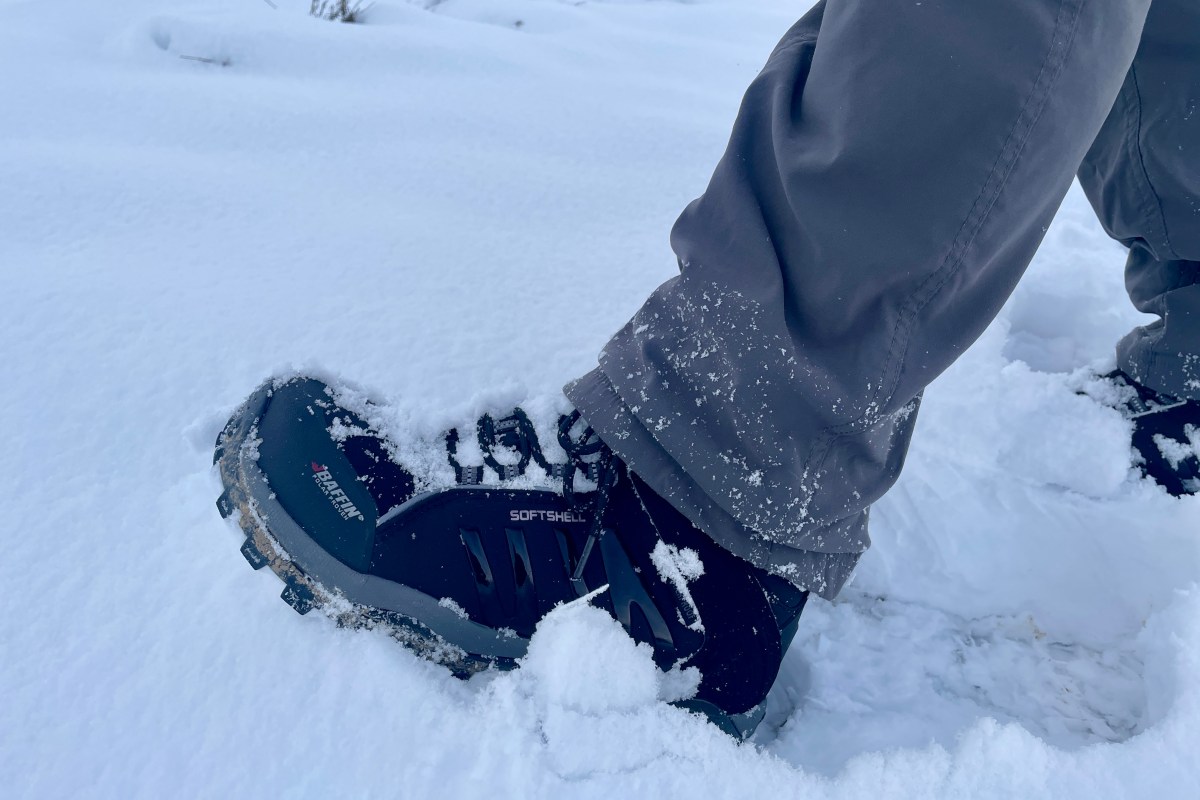
Another contender for sub-zero environments is the Vasque Snowburban II. It features 400g of insulation and a robust leather upper that offers incredible durability. During our tests, we found its snowshoe compatibility to be top-tier, with a molded heel ridge that keeps snowshoe straps from slipping during technical descents. If you are planning on post-holing through heavy snow, these taller shafts provide the necessary barrier against the elements.
Lightweight & Fast: Best for Winter Trail Running and Speed Hiking
If your goal is to maintain a high heart rate and cover miles quickly, a heavy expedition boot will only slow you down. The Merrell Moab Speed 2 Thermo Mid is a masterclass in hybrid design. It combines the athletic DNA of a trail runner with the protective features of winter hiking boots. Its rocker geometry helps propel the foot forward, making it much easier to maintain pace on rolling terrain.
The HOKA Kaha 2 Frost GTX takes a different approach to "fast" by using massive amounts of cushioning to reduce joint fatigue. Its Vibram Arctic Grip outsole is specifically designed to bite into wet ice, providing a level of security that standard rubber compounds simply cannot match. For those who prioritize mobility, lightweight waterproof boots for winter trail running and hiking are the way to go.
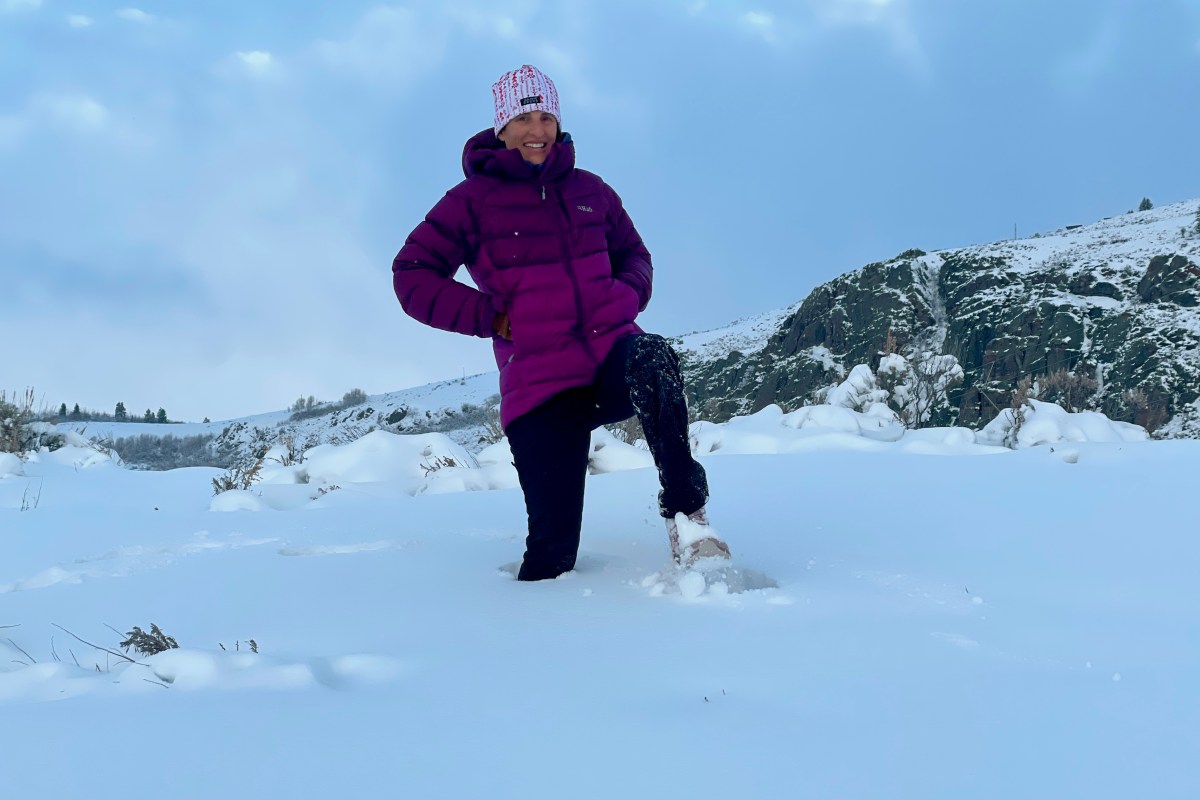
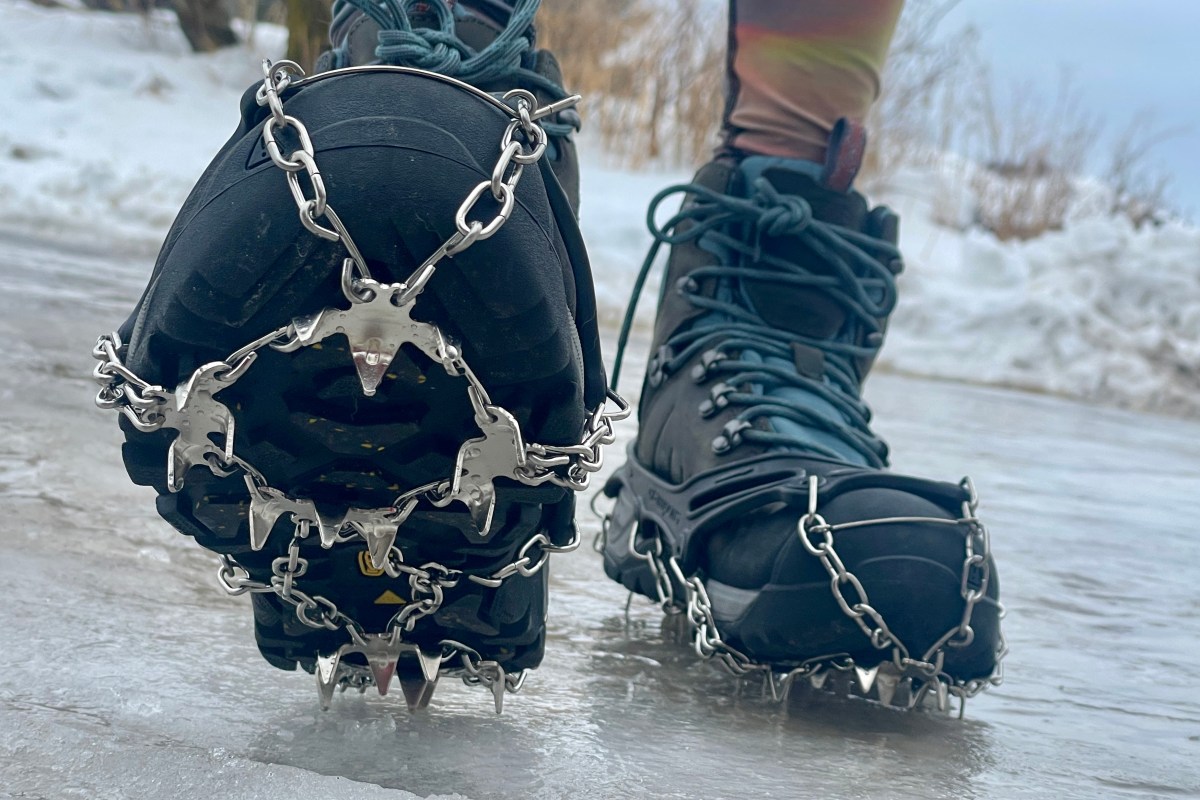
These models are also highly compatible with microspikes and crampons. Because they have a more flexible midsole, they allow the foot to flex naturally while the GORE-TEX membrane keeps external moisture out. This category is perfect for high-exertion phases where overheating is more of a concern than frozen toes.
Budget-Friendly Choices: Best Value Under $150
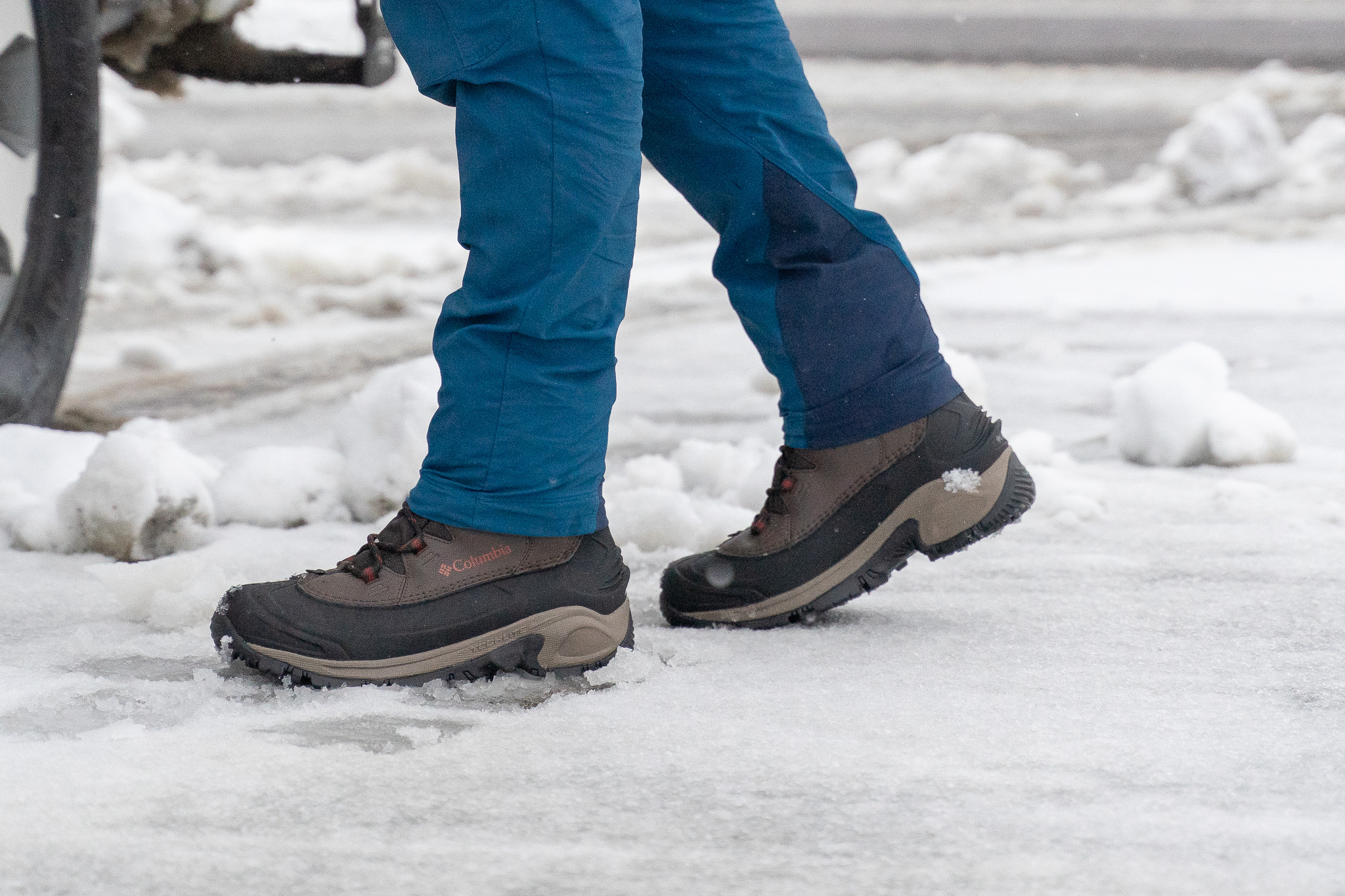
Quality winter gear is an investment, but you don't need to break the bank to stay safe on the trail. The Columbia Bugaboot III has long been the best budget winter hiking boots for snow. Using Columbia's proprietary Omni-Heat lining, it reflects body heat using silver dots while maintaining high breathability. While it may not feel as "premium" as a $300 alpine boot, its performance in deep snow is undeniably solid.
The Kamik NationPlus also offers impressive value. It features a classic pac-boot design with a rubberized lower and a leather upper. It is one of the more versatile options for general winter chores and light hiking. The trade-off at this price point is usually weight and bulk; these boots are heavier and less nimble than higher-end athletic models, but they deliver on their promise of warmth and waterproofing.
Winter Hiking Boot Buying Guide: Key Technical Features
Choosing the right footwear requires a deep dive into the technical specs. You aren't just buying a shoe; you are buying a piece of thermal equipment.
Understanding Insulation Levels
The most common question is how to choose winter hiking boot insulation level. Generally, 200g of Primaloft or Thinsulate is the sweet spot for active hikers. It provides enough warmth for movement in temperatures between 0°F and 30°F without causing the foot to soak in its own perspiration. If you are hiking in sub-zero environments or plan on standing still for long periods (waiting for a train or ice fishing), 400g or even 800g of insulation is necessary.
Traction on Frozen Surfaces
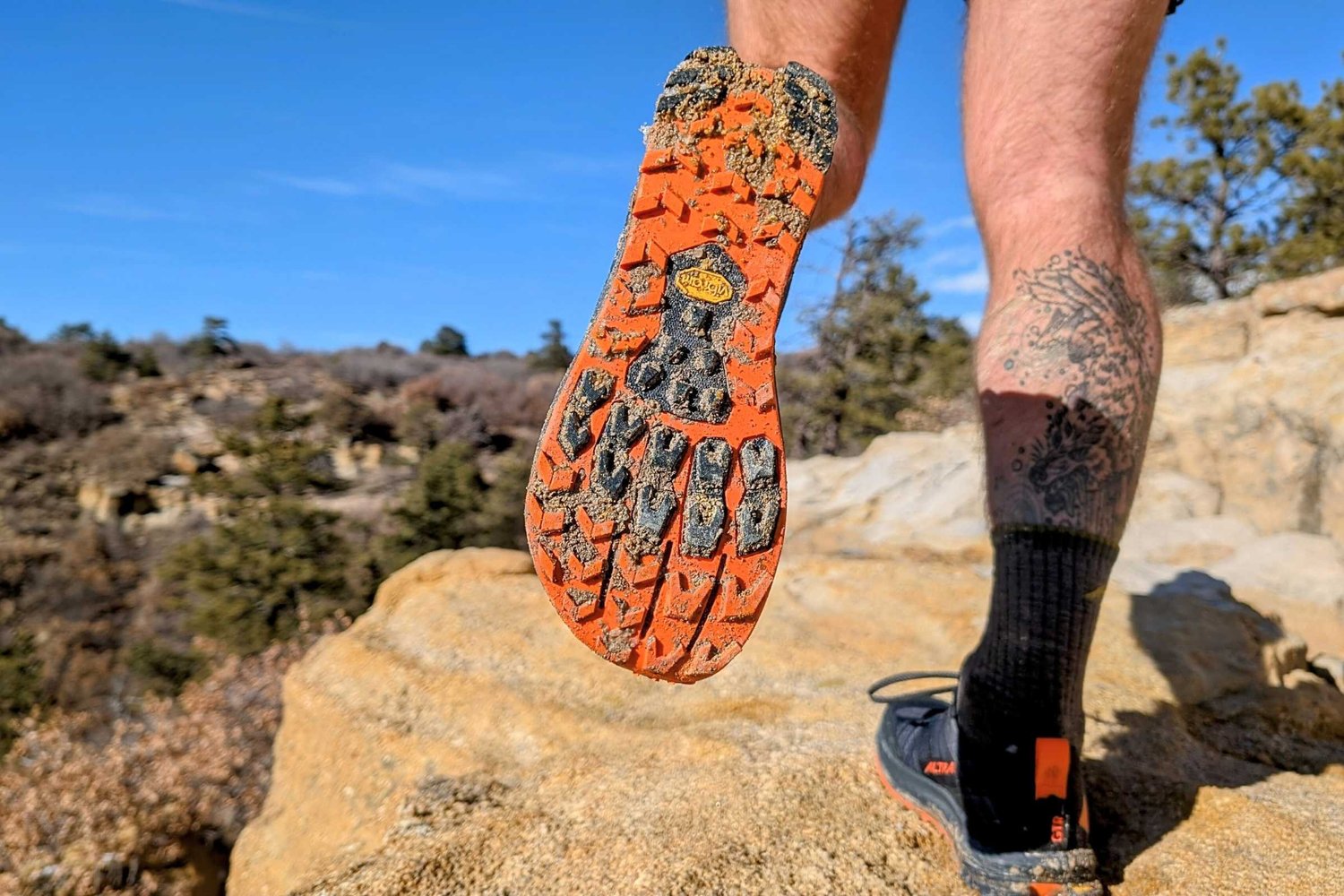
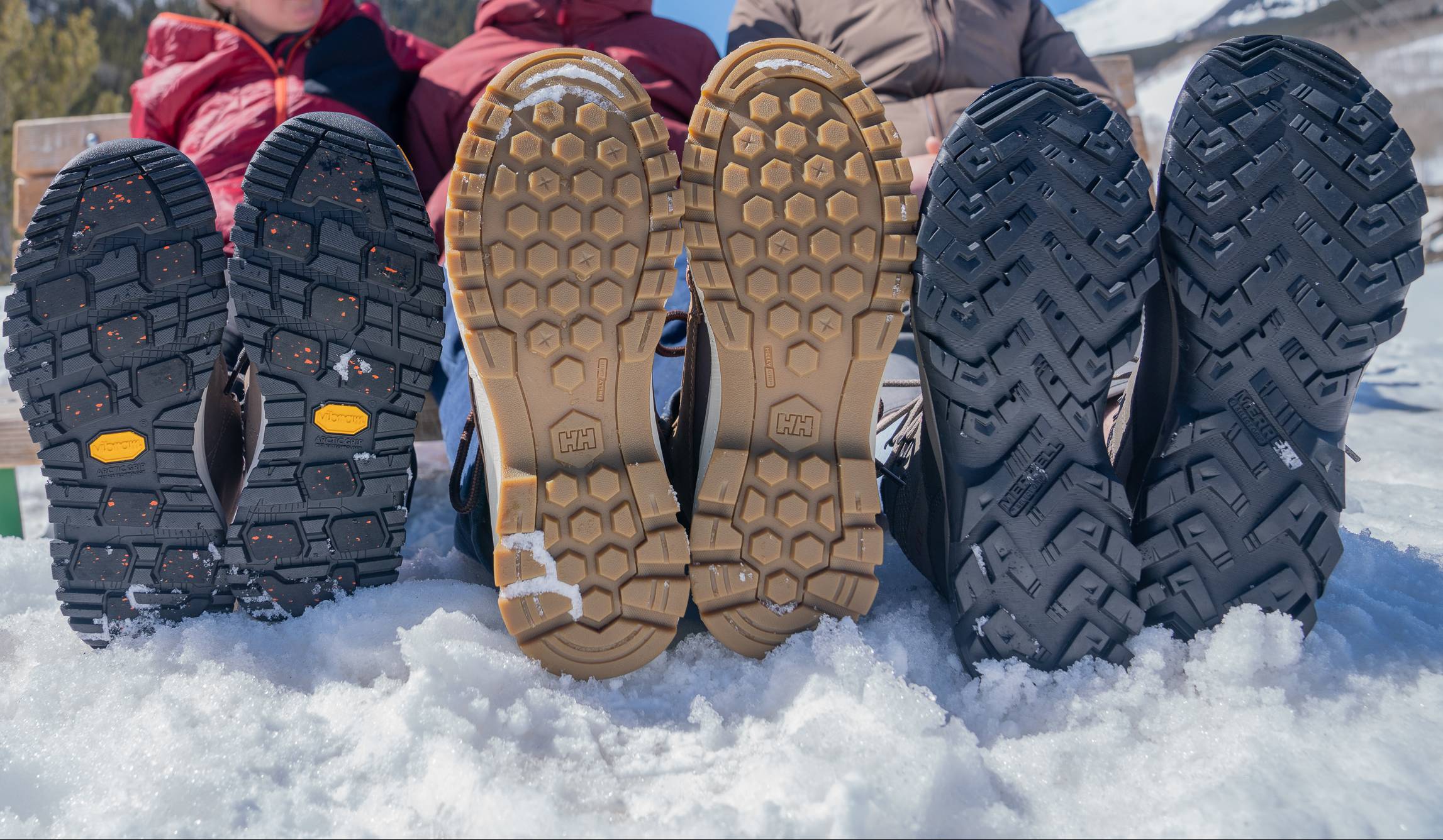
Look for winter hiking boots with best traction on ice, which often means searching for specialized rubber like Vibram Arctic Grip. Standard rubber tends to harden and become slippery in the cold; Arctic Grip stays soft and tacky, allowing the rubber to adhere to smooth ice surfaces. Additionally, consider the lug pattern depth. Deep, widely spaced lugs are better for shedding mud and soft snow, preventing "caking" which can turn your boot into a frictionless slide.
Waterproofing and Breathability
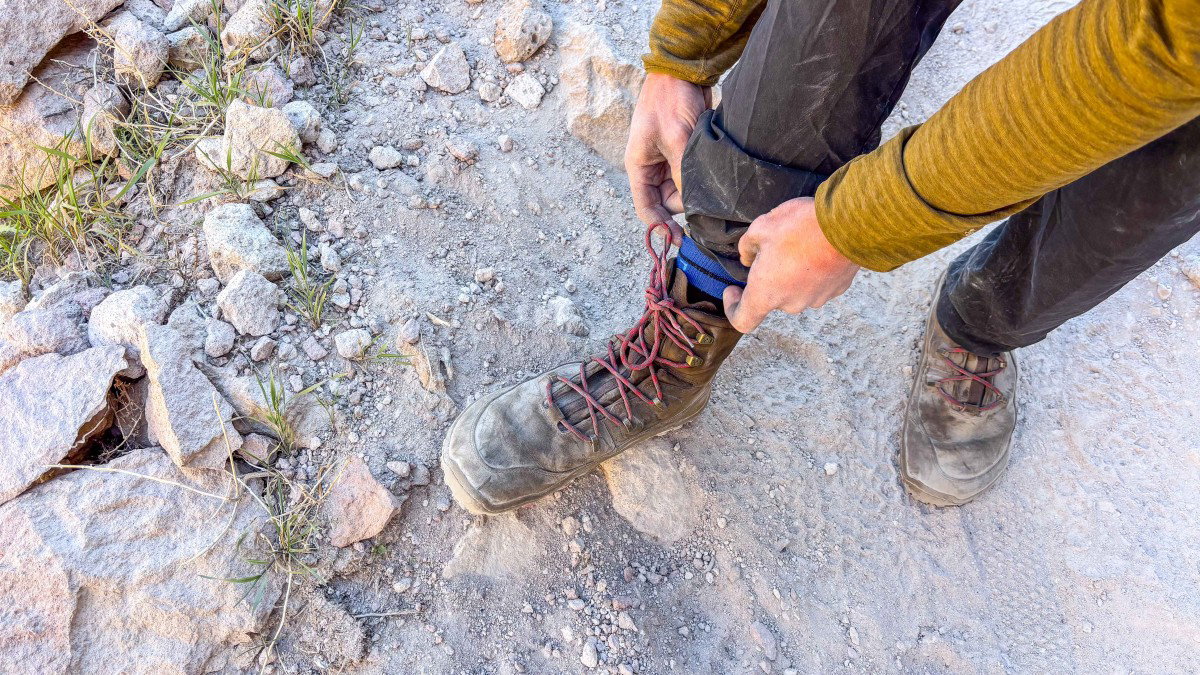
A GORE-TEX membrane is the industry standard for a reason. It prevents liquid water from entering while allowing water vapor (sweat) to escape. In the winter, keeping your feet dry is the first step to keeping them warm. Look for boots that include D-rings for gaiters to prevent snow from falling into the top of your boot, and always ensure your moisture-wicking liners are fresh and dry before heading out.
FAQ
What is the difference between hiking boots and winter hiking boots?
The primary differences are insulation and traction. Standard hiking boots prioritize breathability and weight, often lacking any internal insulation. Winter versions include synthetic fill (like Thinsulate) and a specialized rubber outsole designed to remain flexible in freezing temperatures, whereas standard rubber can become dangerously slippery on ice.
How do I choose the right size for winter hiking boots?
When choosing your size, you should prioritize room in the toe box. You need enough space to wiggle your toes even while wearing heavy socks. If the boot is too tight, it will constrict blood flow, which is the fastest way to get cold feet. Most hikers find that going up half a size from their standard trail shoe provides the perfect fit.
Do I need insulated boots for winter hiking?
If temperatures are consistently below freezing, yes. While non-insulated waterproof boots can work for short treks in 35-40°F weather with thick socks, they offer no thermal protection against the ground. Cold transfers quickly through the sole of the shoe, making insulated hiking boots for snow a much safer and more comfortable choice for true winter trekking.
Should you size up in winter hiking boots for thick socks?
Yes, sizing winter hiking boots for thick wool socks is a common practice. A boot that fits perfectly with thin summer socks will likely be too tight with a 400-weight merino wool sock. A slightly loose fit allows for a pocket of warm air to circulate around the foot, which acts as additional insulation.
What insulation rating is best for winter hiking?
For active hiking where you are moving consistently, 200g of insulation is usually ideal. It hits the perfect balance between warmth and moisture management. However, if you are venturing into extreme cold (below -10°F) or doing low-intensity activities, you should look for boots with 400g or more to ensure your feet stay warm during rest periods.
The year 2025 has brought some of the most innovative footwear designs we have seen in a decade. Whether you choose the high-tech KEEN Revel IV for its versatility or the Merrell Moab Speed 2 for its athletic feel, the right boot makes all the difference. Get out there, stay warm, and we'll see you on the trails!