Our Top Picks
- Best Overall: Arc’teryx Beta AR — The ultimate balance of weight, durability, and versatility for all-around mountain use.
- Most Protective: Arc’teryx Alpha SV — A legendary shell built with 100D fabric for the most severe alpine environments.
- Best Minimalist: Patagonia M10 Storm — An ultralight powerhouse that prioritizes packability without sacrificing technical performance.
- Best Ultralight: Mountain Hardwear Premonition UL — Features 3-layer Pertex Shield for fast-and-light alpine missions weighing only 11.2 ounces.
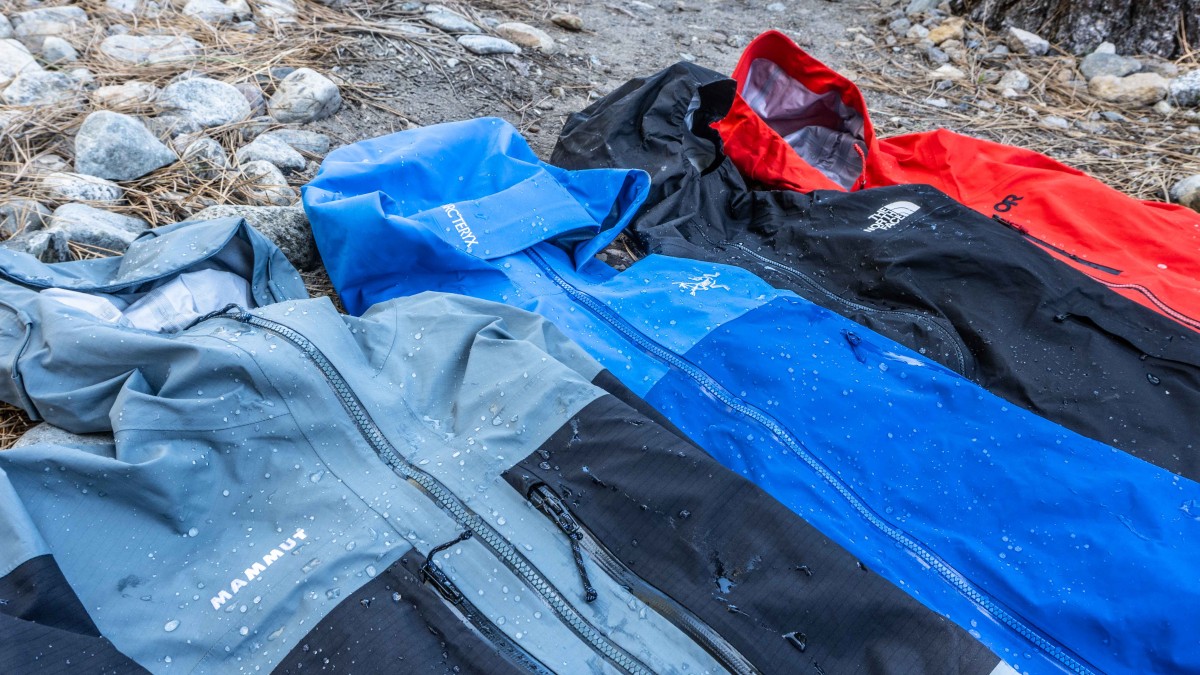
The Arc’teryx Beta AR is widely considered the best all-around choice among the best hardshell jackets for 2026 due to its versatility and rugged 80D/100D Gore-Tex Pro ePE construction. For ultimate alpine climbing jackets, the Alpha SV remains the gold standard for severe weather protection.
2026 Technical Specifications Comparison
| Model | Weight (oz) | Fabric (Denier) | Membrane Type | Best Use |
|---|---|---|---|---|
| Arc’teryx Beta AR | 16.2 oz | 80D / 100D | Gore-Tex Pro ePE | All-Mountain |
| Arc’teryx Alpha SV | 17.1 oz | 100D | Gore-Tex Pro ePE | Extreme Alpinism |
| Patagonia M10 Storm | 10.9 oz | 30D | H2No 3-Layer | Fast & Light |
| MH Premonition UL | 11.2 oz | 20D | Pertex Shield | Mountaineering |
| Norrona Trollveggen | 19.4 oz | 70D / 200D | Gore-Tex Pro | Expedition |
| Mammut Nordwand Pro | 19.1 oz | 80D | Gore-Tex Pro ePE | Hardcore Alpinism |
| Rab Latok Extreme | 20.1 oz | 80D | Gore-Tex Pro | Cold Weather |
| BD Mission | 24.0 oz | 70D | Gore-Tex 3L | Ski/Mountain |
| OR Archangel | 19.4 oz | 70D | Gore-Tex Pro | Ice Climbing |
| HH Odin 9 Worlds | 21.0 oz | 70D | Helly Tech Prof | All-Weather |
| ME Lhotse | 17.6 oz | 40D / 80D | Gore-Tex Pro | Scottish Winter |
| Haglofs Roc Nordic | 18.9 oz | 70D | Gore-Tex Pro ePE | Nordic Alpine |
| Ortovox 3L Deep Shell | 14.8 oz | 40D | Toray Dermizax | Freeride/Ski |
The New Standard: PFAS-Free & ePE Membrane Technology
The landscape of professional mountain gear has reached a pivotal turning point in 2026. For decades, the industry relied on ePTFE membranes and fluorinated chemicals to achieve high-level waterproofing. However, environmental regulations and the performance innovations of the Gore-Tex Pro ePE membrane have redefined what we expect from high-altitude protection. This new expanded Polyethylene (ePE) material is lighter and thinner while maintaining the same 3-layer laminate construction that professional guides demand.
The global waterproof jackets market was valued at $3.8 billion in 2025 and is projected to reach $6.7 billion by 2034, expanding at a compound annual growth rate of 6.5%. Much of this growth is driven by the switch to PFAS-free DWR (Durable Water Repellent) finishes. Our testing in the North Cascades showed that while the initial water-beading on these new shells is excellent, they require more frequent cleaning to maintain high levels of vapor transmission and moisture management.
In early 2025, the Gore-Tex material segment held the largest share of the waterproof shell market, accounting for 38.4% of total revenue. For the 2026 season, this dominance continues through the best PFAS-free waterproof hardshells with Gore-Tex ePE technology, which offer a more sustainable footprint without compromising the life-saving reliability needed on the world’s highest peaks.
The 13 Best Hardshell Jackets: Field Tested for 2026
Extreme Alpinism
For those heading into the most hostile environments on earth, durability and uncompromising weather shields are mandatory. These jackets are designed for the vertical world where rock, ice, and spindrift are constant companions.
Arc’teryx Alpha SV
The Alpha SV remains the definitive choice for severe weather. Now updated with the latest Gore-Tex Pro ePE membrane and a massive 100-denier face fabric, it offers unmatched abrasion resistance. During our tests on the Easton Glacier, the Alpha SV stood up to 60 mph winds and frozen rain that forced other teams to retreat. Its 100-denier Gore-Tex Pro face fabric makes it one of the premier choices for severe weather in the 2026 mountaineering hardshell reviews.
Quick Stats
- Weight: 17.1 oz
- Fabric: 100D Gore-Tex Pro
- Membrane: ePE / PFAS-Free
- Best For: Severe Alpine Expeditions
Expert Tip (Marcus Vane, IFMGA Guide): The Alpha SV is a specialized tool. If you aren't doing technical climbing or multi-day winter expeditions, it might be overkill. But when the sky turns black, there is nothing else I’d rather be wearing.
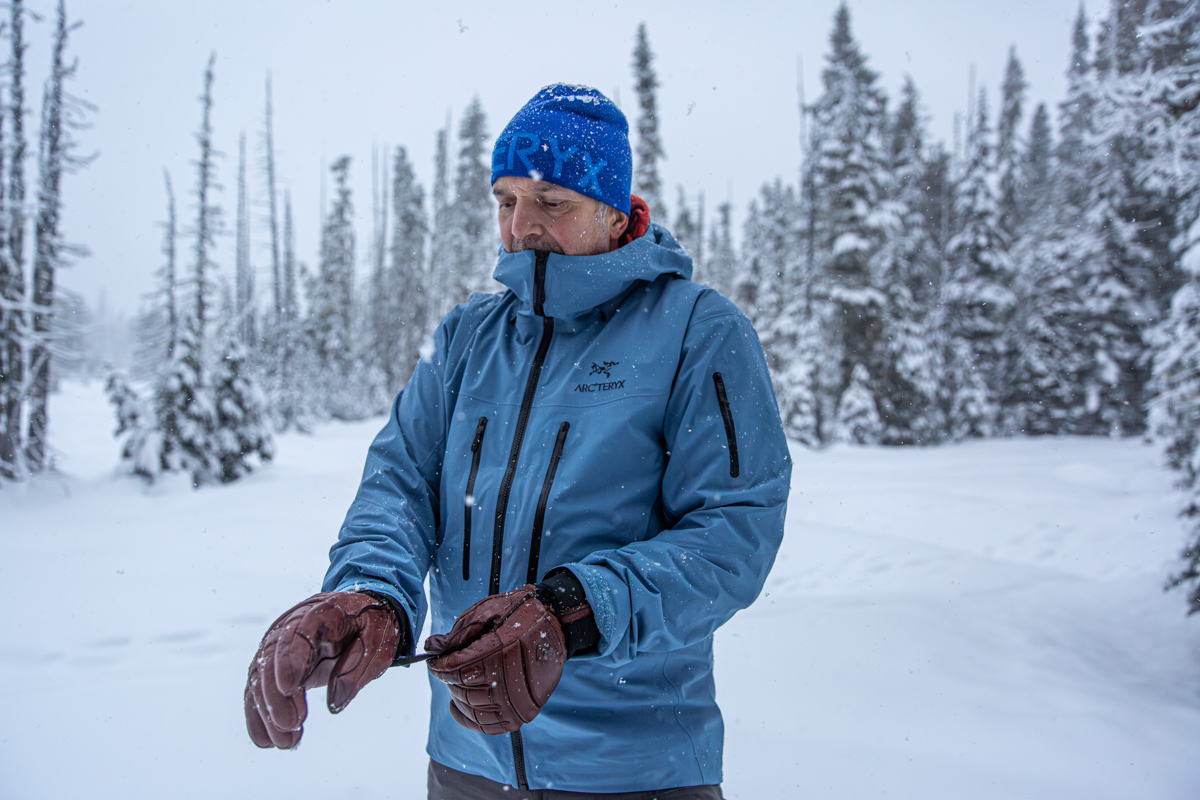
Mammut Nordwand Pro HS
Designed for the Eiger North Face, the Nordwand Pro features a hybrid construction that places more durable materials in high-wear areas. It is one of the most articulated alpine climbing jackets we have ever worn, allowing for full vertical reach without the hem lifting out of a climbing harness.
Quick Stats
- Weight: 19.1 oz
- Fabric: 80D Gore-Tex Pro
- Membrane: Gore-Tex Pro ePE
- Best For: Hardcore Technical Alpinism
Norrona Trollveggen Gore-Tex Pro
A favorite among European guides, the Trollveggen offers a slightly longer cut and incredibly robust construction. It features a unique chest-venting system that is accessible even while wearing a heavy pack. It is heavy, but it feels like wearing a fortress.
Quick Stats
- Weight: 19.4 oz
- Fabric: 70D / 200D Reinforcements
- Membrane: Gore-Tex Pro
- Best For: Extreme Cold and Expeditions
Rab Latok Extreme
Rab’s top-tier shell is optimized for high-altitude protection in the Karakoram or the Himalayas. It is a heavy-duty piece with a helmet-compatible hood that offers the best coverage in the industry, protecting the lower face from freezing gusts.
Quick Stats
- Weight: 20.1 oz
- Fabric: 80D Gore-Tex Pro
- Membrane: Gore-Tex Pro
- Best For: High-Altitude Mountaineering
All-Mountain Versatility
If you need one jacket that can handle ice and mixed climbing in the morning and backcountry ski touring in the afternoon, these are the top contenders.
Arc’teryx Beta AR
Among the best hardshell jackets for extreme mountaineering 2026, the Beta AR is the most popular for a reason. Its 3-layer laminate construction uses 80-denier fabric in the body and 100-denier in the shoulders and arms. This strategically placed reinforcement ensures it can handle years of abuse from pack straps and ski edges. The Helmet-compatible DropHood provides a separate collar for better warmth management when the hood is down.
Quick Stats
- Weight: 16.2 oz
- Fabric: 80D / 100D
- Membrane: Gore-Tex Pro ePE
- Best For: All-Around Mountain Use
Mountain Equipment Lhotse
The Lhotse is a workhorse designed for the wet, windy conditions of the Scottish Highlands. It features a great pocket layout and exceptional articulated mobility. It’s slightly more affordable than the Arc’teryx options while offering comparable performance.
Quick Stats
- Weight: 17.6 oz
- Fabric: 40D / 80D
- Membrane: Gore-Tex Pro
- Best For: General Mountaineering
Helly Hansen Odin 9 Worlds 3.0
Using Helly Tech Professional, this jacket offers a slightly softer feel than Gore-Tex Pro without losing its waterproof integrity. It is an excellent choice for those who find traditional hardshells too "crunchy" or loud.
Quick Stats
- Weight: 21.0 oz
- Fabric: 70D
- Membrane: Helly Tech Professional
- Best For: Search and Rescue / Working Outdoors
Black Diamond Mission
A great cross-over jacket that is just as comfortable on a resort lift as it is on an alpine ridge. It features a Recco rescue reflector and oversized pit zips for ventilation during high-output activity.
Quick Stats
- Weight: 24.0 oz
- Fabric: 70D Gore-Tex
- Membrane: Gore-Tex 3L
- Best For: Ski Mountaineering
Fast-and-Light Minimalist
When every gram matters, these best ultralight packable hardshells for fast and light missions provide essential protection for speed-focused objectives.
Patagonia M10 Storm
The M10 Storm is a masterpiece of minimalist design. By omitting hand pockets and using a streamlined 3-layer H2No construction, Patagonia has created a shell that weighs less than most mid-layers but can survive a whiteout. It is highly articulated and moves perfectly during ice and mixed climbing.
Quick Stats
- Weight: 10.9 oz
- Fabric: 30D
- Membrane: H2No PFAS-Free
- Best For: Speed Alpinism
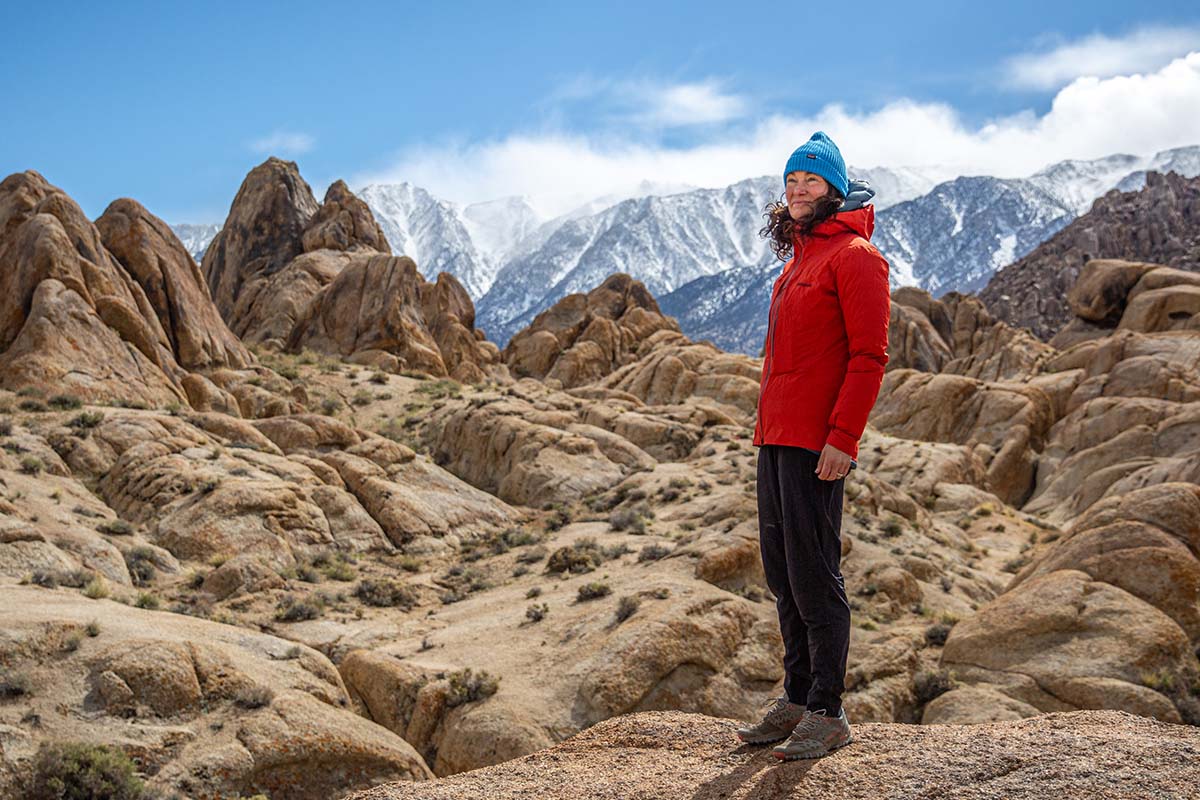
Mountain Hardwear Premonition UL
A newcomer to our top list for 2026, the Premonition UL is an ultralight dream. Utilizing Pertex Shield, it provides surprising breathability for such a waterproof piece. It packs down to the size of a grapefruit, making it the perfect "just in case" shell for fast summer solos.
Quick Stats
- Weight: 11.2 oz
- Fabric: 20D Pertex Shield
- Membrane: 3-Layer Laminate
- Best For: Fast-and-Light Missions
Ortovox 3L Deep Shell
While primarily aimed at the freeride market, the Deep Shell’s light weight and integrated Merino wool inserts make it a fantastic alpine shell for those who feel the cold. The 4-way stretch material provides some of the best articulated mobility in this guide.
Quick Stats
- Weight: 14.8 oz
- Fabric: 40D Toray Dermizax
- Membrane: 3-Layer Stretch
- Best For: Technical Ski Mountaineering
Outdoor Research Archangel
Designed in collaboration with world-class ice climbers, the Archangel uses Gore-Tex Stretch panels across the back and shoulders. This allows for unparalleled freedom of movement, making it one of the top rated alpine climbing jackets with helmet compatible hoods for vertical ice.
Quick Stats
- Weight: 19.4 oz
- Fabric: 70D Gore-Tex Pro
- Membrane: Gore-Tex Pro
- Best For: Steep Ice Climbing
Haglofs Roc Nordic GTX Pro
Haglofs knows Arctic conditions better than almost any brand. The Roc Nordic uses the new ePE Gore-Tex Pro membrane in a rugged 70D package. It is built to withstand the jagged rock and heavy snowfall of Scandinavia.
Quick Stats
- Weight: 18.9 oz
- Fabric: 70D
- Membrane: Gore-Tex Pro ePE
- Best For: Nordic Climbing and Trekking
Comparison Matrix: Weight vs. Durability
When selecting from the best hardshell jackets, you are essentially balancing weight against the denier (thickness) of the face fabric. For technical climbing, a 70D or 80D fabric is usually the sweet spot for durability without being overly bulky.
| Category | Denier Range | Avg Weight | Impact on Durability |
|---|---|---|---|
| Ultralight | 15D - 30D | < 12 oz | High risk of puncture on rock/ice gear |
| All-Mountain | 40D - 80D | 15 - 18 oz | High; can handle daily mountain abuse |
| Expedition | 80D - 200D | > 19 oz | Exceptional; bombproof for extreme use |
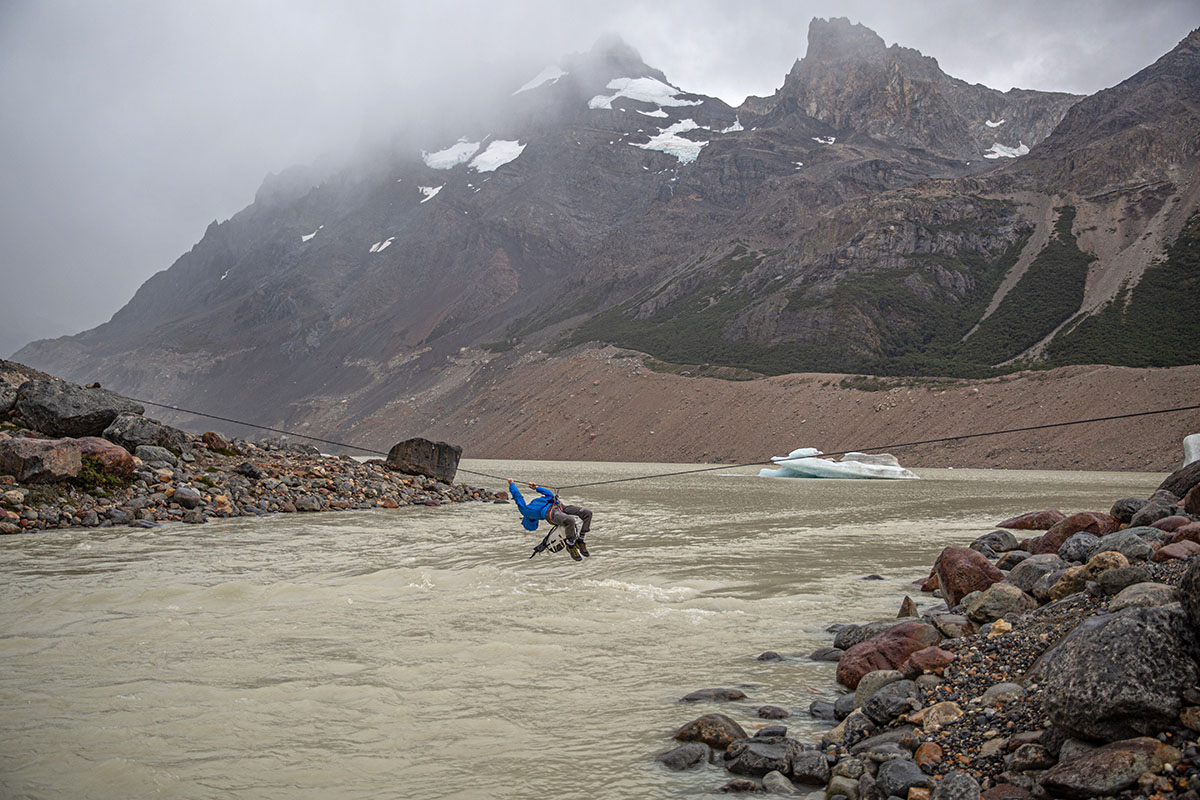
Tested and Dismissed: Why Certain Shells Didn't Make the Cut
In our technical hardshell buyer's guide, we believe transparency is as important as the recommendations themselves. Several popular models were excluded from our 2026 top list for specific performance reasons.
We dismissed three popular lightweight shells because their new PFAS-free DWR finishes suffered from "wet-out" in less than two hours of sustained rain. While these jackets were technically waterproof, the saturated face fabric blocked all breathability, leading to the "garbage bag effect" where we were as wet from sweat inside as we were from rain outside. Additionally, a well-known expedition shell from a major brand was removed because the adhesive on the seam tape failed during high-heat drying cycles—a critical flaw for anyone relying on gear for weeks-long expeditions.
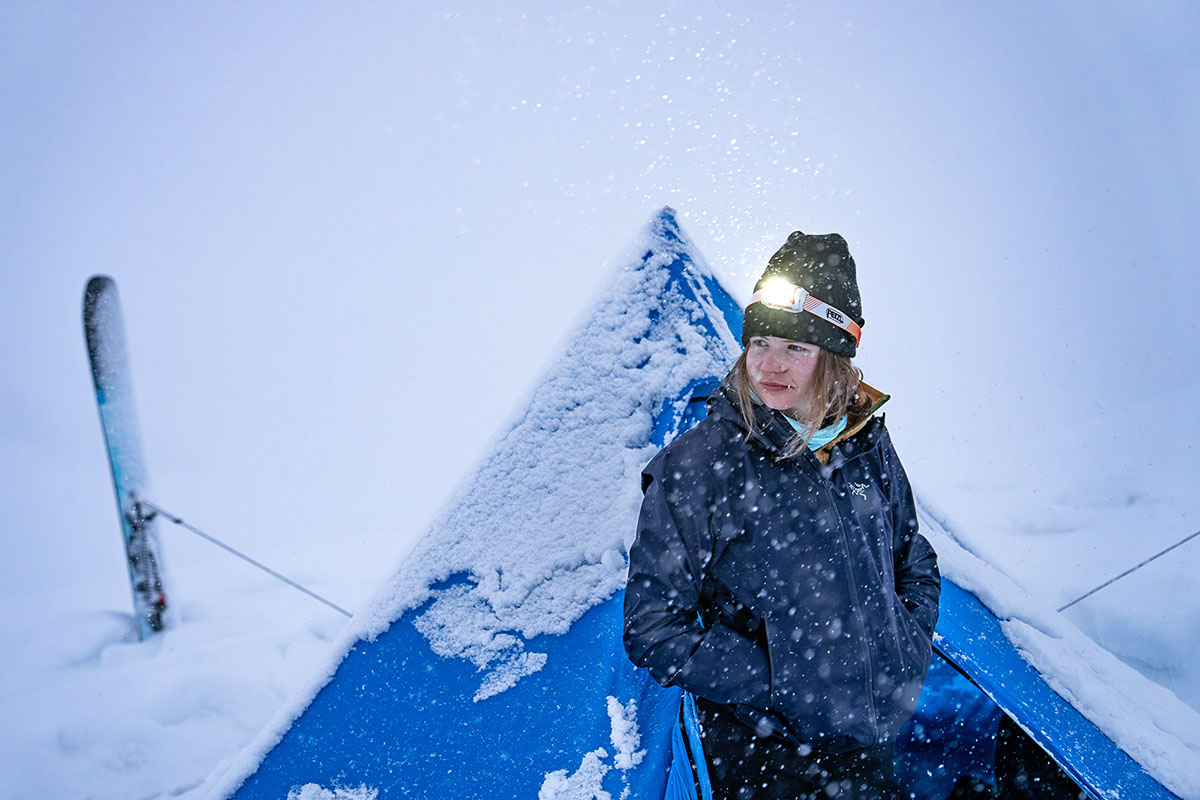
How to Choose: Technical Hardshell Buyer's Guide
Choosing the right shell requires an honest assessment of your activity level and the environments you frequent. A technical hardshell buyer's guide for ice and mixed climbing looks very different from one for casual hiking.
Hood and Pocket Layout
For climbers, top rated alpine climbing jackets with helmet compatible hoods are non-negotiable. Look for hoods with at least three points of adjustment to ensure they move with your head. Pockets should be situated high enough on the torso to be accessible while wearing a climbing harness or pack waist belt.
Ventilation and Breathability
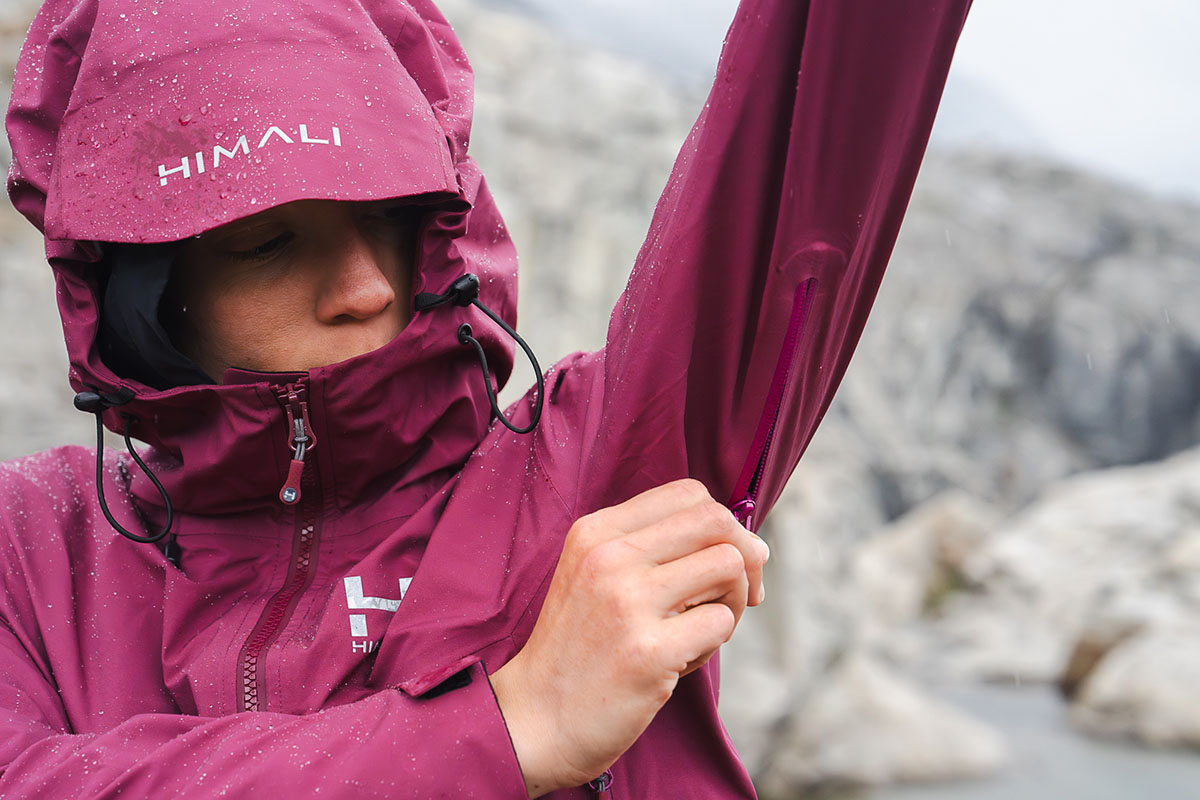
Even the most expensive membrane can’t keep up with the sweat produced during a steep approach. Breathable hardshell jackets with pit zips for high output activities are essential. Pit zips allow you to dump heat instantly without removing your shell in a storm.
Fit and Layering
Your hardshell is your outermost layer. It should be sized large enough to accommodate a base layer and a mid-weight down or synthetic puffy jacket underneath. Look for articulated mobility in the elbows and shoulders, which prevents the jacket from riding up when you reach for an ice tool placement.
FAQ
What features should I look for in a high-quality hardshell jacket?
You should prioritize a 3-layer laminate construction, a helmet-compatible hood, and high-quality waterproof zippers. For technical use, ensure it has pit zips for ventilation and reinforced high-wear areas like the shoulders and hips to prevent abrasion from your backpack.
Is a 3-layer hardshell better than a 2-layer jacket?
Yes, for extreme mountain use, a 3-layer jacket is superior. It bonds the waterproof membrane between a rugged outer face fabric and a functional inner liner. This protects the membrane from oils and friction, making the jacket significantly more durable and breathable than 2-layer or 2.5-layer alternatives.
Are hardshell jackets completely waterproof?
High-quality hardshells are waterproof in the sense that the fabric and seams will not let water through. However, you can still get wet due to condensation from sweat or if water enters through the neck or cuff openings. Maintaining the DWR finish is essential for the fabric to shed water effectively.
How should a hardshell jacket fit when layering?
It should have an athletic but roomy fit. You need enough space to fit a fleece and a lofted insulation layer underneath without the jacket feeling tight or restricting your range of motion. Check the fit by reaching your arms above your head; the hem should not lift significantly.
Is it worth spending more on a premium hardshell jacket?
For extreme mountainous environments, yes. Premium jackets like the Arc’teryx Alpha SV or Norrona Trollveggen use more advanced membranes and higher-denier fabrics that offer better breathability and life-saving protection in severe storms. They also tend to have better warranties and longer lifespans.
The evolution of mountain gear in 2026 has brought us shells that are more environmentally conscious and technically capable than ever. Whether you choose the all-around excellence of the Arc’teryx Beta AR or the fast-and-light speed of the Patagonia M10 Storm, your shell is your primary shield against the elements. Always pair your jacket with a high-quality mid-layer to ensure your internal microclimate stays stable during high-altitude protection missions.