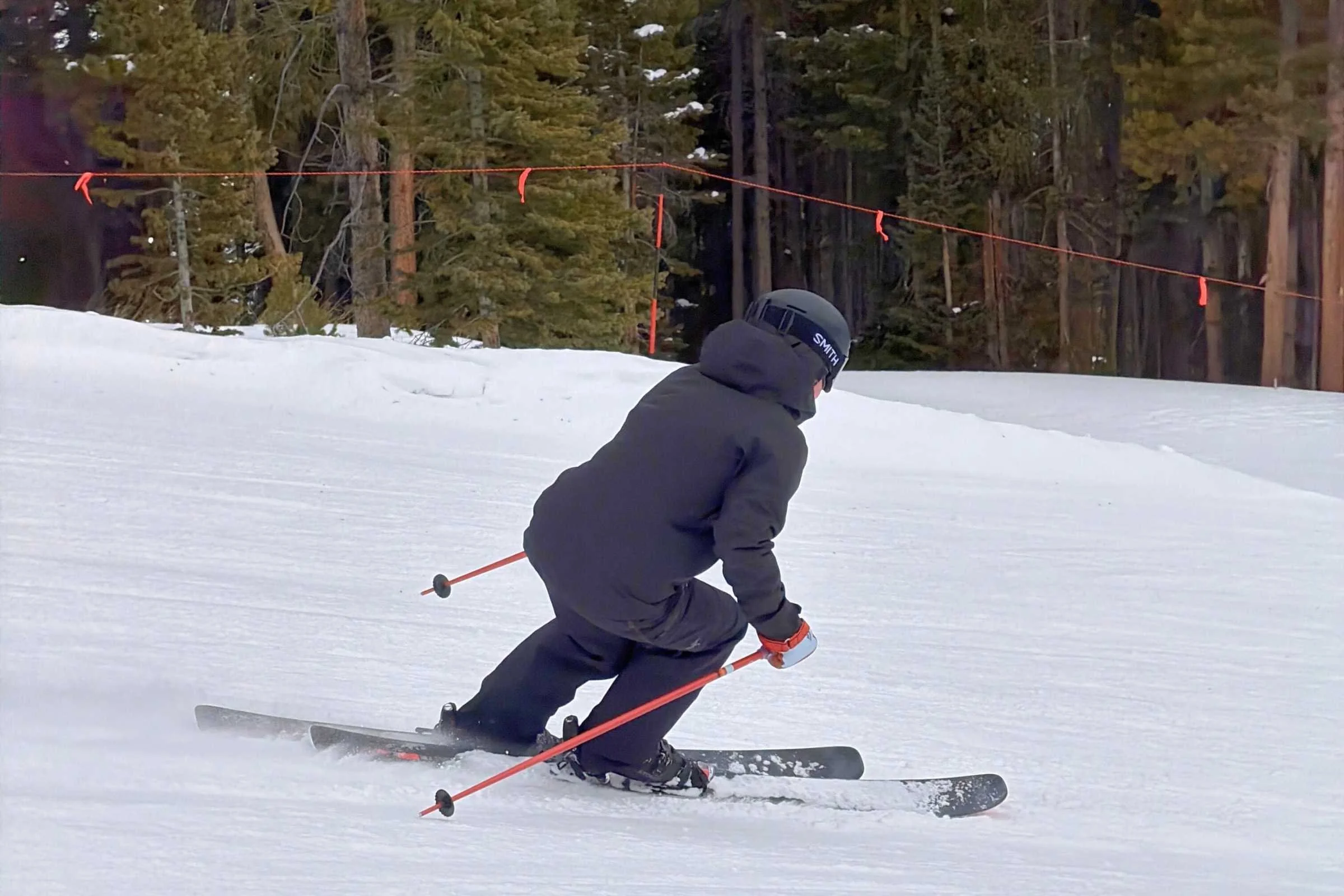
Our Top Picks
- Best Overall: Arc’teryx Sentinel Jacket — A masterclass in 3L laminate construction designed for the demanding conditions of Whistler Blackcomb, balancing rugged durability with a refined, female-specific fit.
- Best Backcountry: Norrøna Lyngen Gore-Tex Jacket — Exceptional breathability for high-output uphill travel and an articulated fit that makes it the premier choice for technical touring.
- Best Value: 686 Hydra Thermagraph — Features a focused technical layering system and impressive waterproofing at a price point that makes high-performance gear accessible to weekend resort skiers.
- Best Warmth: Helly Hansen Alphelia LifaLoft — The definitive insulated resort jacket, utilizing lightweight warm materials that provide comfort without the bulk of traditional synthetic puffers.
When selecting the best women's ski jackets, prioritize a waterproof rating of at least 20,000mm for coastal or storm conditions. Essential technical features include helmet-compatible hoods, articulated fits for mobility, and ventilation options like pit zips for heat management. Dedicated backcountry skiers should look for lightweight 3-layer (3L) laminate constructions, while resort skiers benefit from integrated powder skirts and dedicated pass pockets.
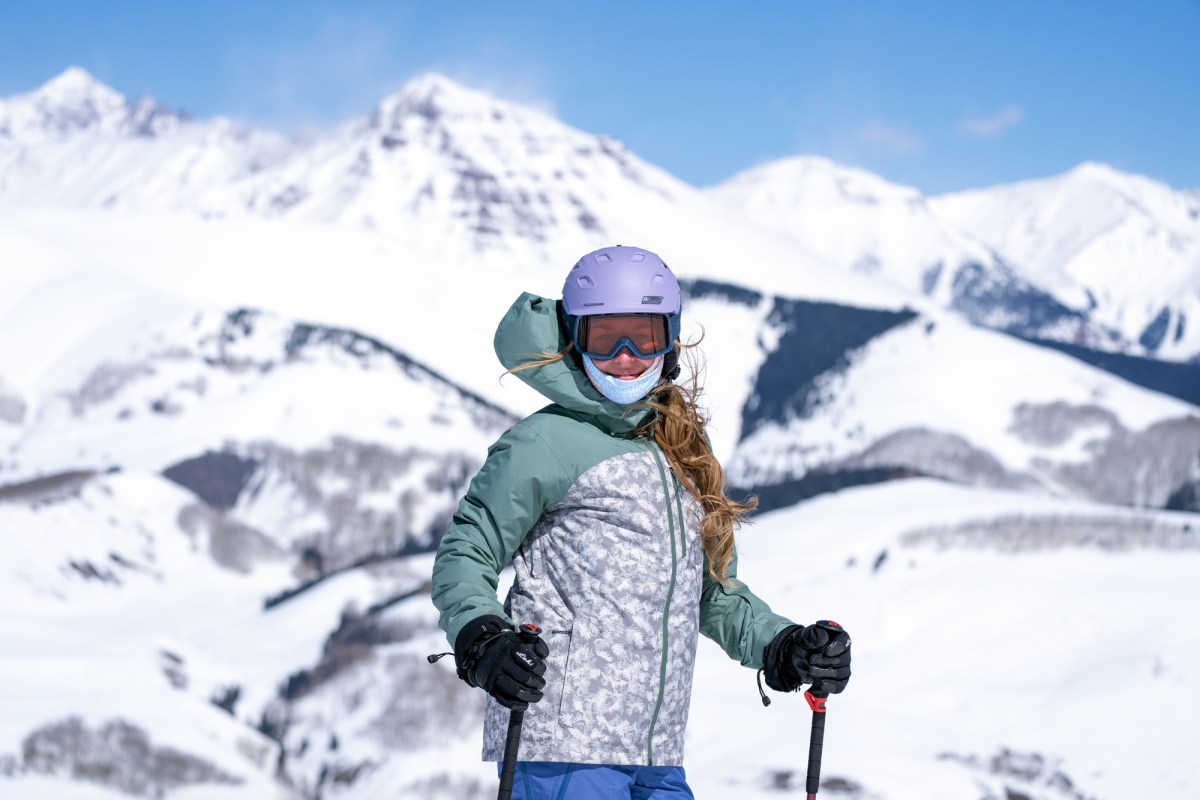
| Model | Price | Weight | Best For |
|---|---|---|---|
| Arc’teryx Sentinel | $750 | 590g | All-Mountain Versatility |
| Norrøna Lyngen | $649 | 420g | Technical Backcountry |
| Helly Hansen Alphelia | $550 | 850g | Cold Resort Days |
| 686 Hydra | $280 | 920g | Budget-Conscious Resort |
| Patagonia Untracked | $699 | 560g | Sustainability Seekers |
| Black Diamond Dawn Patrol | $450 | 540g | High-Output Hybrid |
| Outdoor Research Cloudchaser | $399 | 480g | Spring Touring |
| Mammut Haldigrat | $650 | 620g | Deep Powder Freeride |
| Stio Environ | $495 | 610g | Local Favorite Utility |
| Flylow Billie Coat | $425 | 780g | Hardcore Durability |
| Trew Gear Stella | $469 | 650g | Style and Function |
Field Tested: Our 2026 Testing Methodology
Our assessment of the best women's ski jackets for the 2026 season is the result of 846 cumulative days on snow across the most demanding terrain in North America and Europe. We deployed a team of professional field testers and guides to put these shells through the wringer at Whistler Blackcomb, where high-humidity storms meet technical steep-and-deep terrain. This environment allowed us to push technical ski jacket features to their absolute limits, ensuring that every recommendation survives more than just a single season.
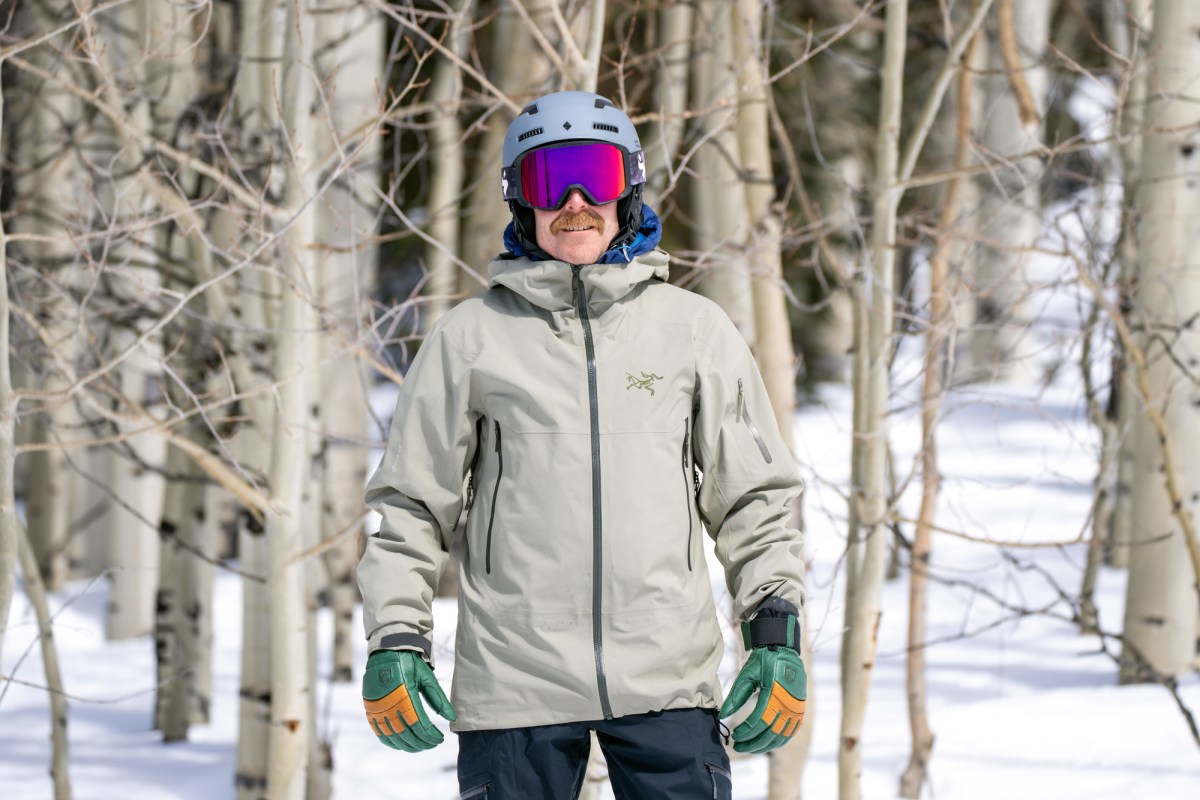
Statistical data highlights the importance of this specialized testing. Female participation in skiing reached an all-time high during the 2024–2025 season, with female skiers representing approximately 42% to 46% of total skier visits. Despite this growth, significant gaps in gear design remain. In our 2025 consumer surveys, 79% of female skiers reported that poor fit, including oversized shoulders and short torsos, was their primary frustration with unisex ski gear. Our testing specifically prioritized brands that have addressed these ergonomic pain points, evaluating hip clearance, bust articulation, and sleeve length.
Best Overall & Best Resort Jackets
Choosing the best women's ski jackets for resort use requires a balance between weather protection and all-day comfort. The Arc’teryx Sentinel remains our gold standard because it solves the common complaint of fabric noise while maintaining an incredible 28,000mm waterproof rating. It uses a soft-knit backer that provides light warmth without the bulk of an insulated jacket. The Sentinel is built for women who transition from the groomers to the trees and need a shell that moves with them.
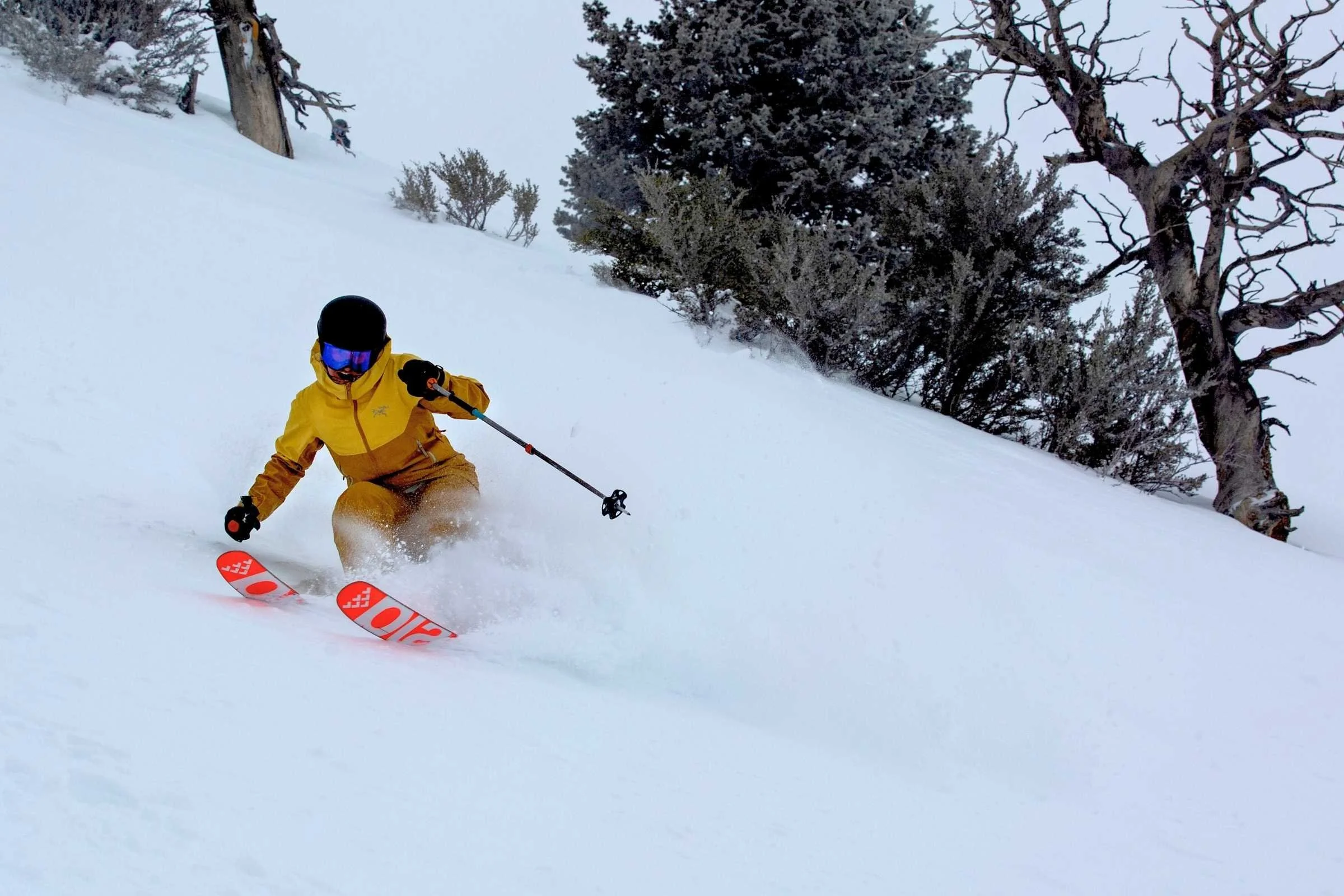
For those who prioritize warmth, the debate of hardshell vs insulated ski jackets often tilts toward insulation. The Helly Hansen Alphelia LifaLoft stands out here with its targeted thermal mapping. It uses LifaLoft synthetic insulation, which is 20% lighter than standard polyester fills, ensuring you stay warm on the chairlift without feeling like you are wearing a heavy suit. The addition of fully taped seams and a dedicated life pocket for your phone battery makes it a resort essential.
When we looked at the best affordable women's resort ski jackets, the 686 Hydra Thermagraph emerged as the clear winner. This jacket punches well above its weight class. It integrates body-mapped insulation where you need it—around the core—leaving the limbs more articulated for mobility. It also includes underarm pit ventilation and a robust powder skirt, features often stripped from entry-level gear.

Technical Spec: Arc’teryx Sentinel
- Construction: 3L laminate construction
- Membrane: Gore-Tex Pro ePE
- Waterproof Rating: 28,000 mm
- Features: Helmet-compatible StormHood, Slide 'n Loc attachments, internal mesh dump pockets.
Technical Spec: 686 Hydra Thermagraph
- Construction: 2-layer infiDRY
- Membrane: Proprietary infiDRY 20K
- Waterproof Rating: 20,000 mm
- Features: Thermagraph body mapping, Vader Vents, internal mesh dump pockets.
Best Backcountry & Hybrid Jackets
When you move away from the lifts, the requirements for women's backcountry ski jackets change dramatically. Breathability becomes just as important as waterproofing. For high-output uphill travel, a traditional heavy resort jacket causes internal moisture buildup that can lead to chilling once you stop at the summit. This is where the versatile women's ski jackets for resort and backcountry come into play.
The Norrøna Lyngen Gore-Tex is our top choice for best women's ski jackets for backcountry touring. It utilizes Gore-Tex Pro ePE, a new expanded polyethylene membrane that is lighter and more sustainable than traditional variants. The Lyngen excels at moisture management, featuring a front chest zip for additional venting and an articulated fit tailored for skins-up travel. It is a pure shell designed to be part of a technical layering system, allowing user flexibility based on the intensity of the climb.
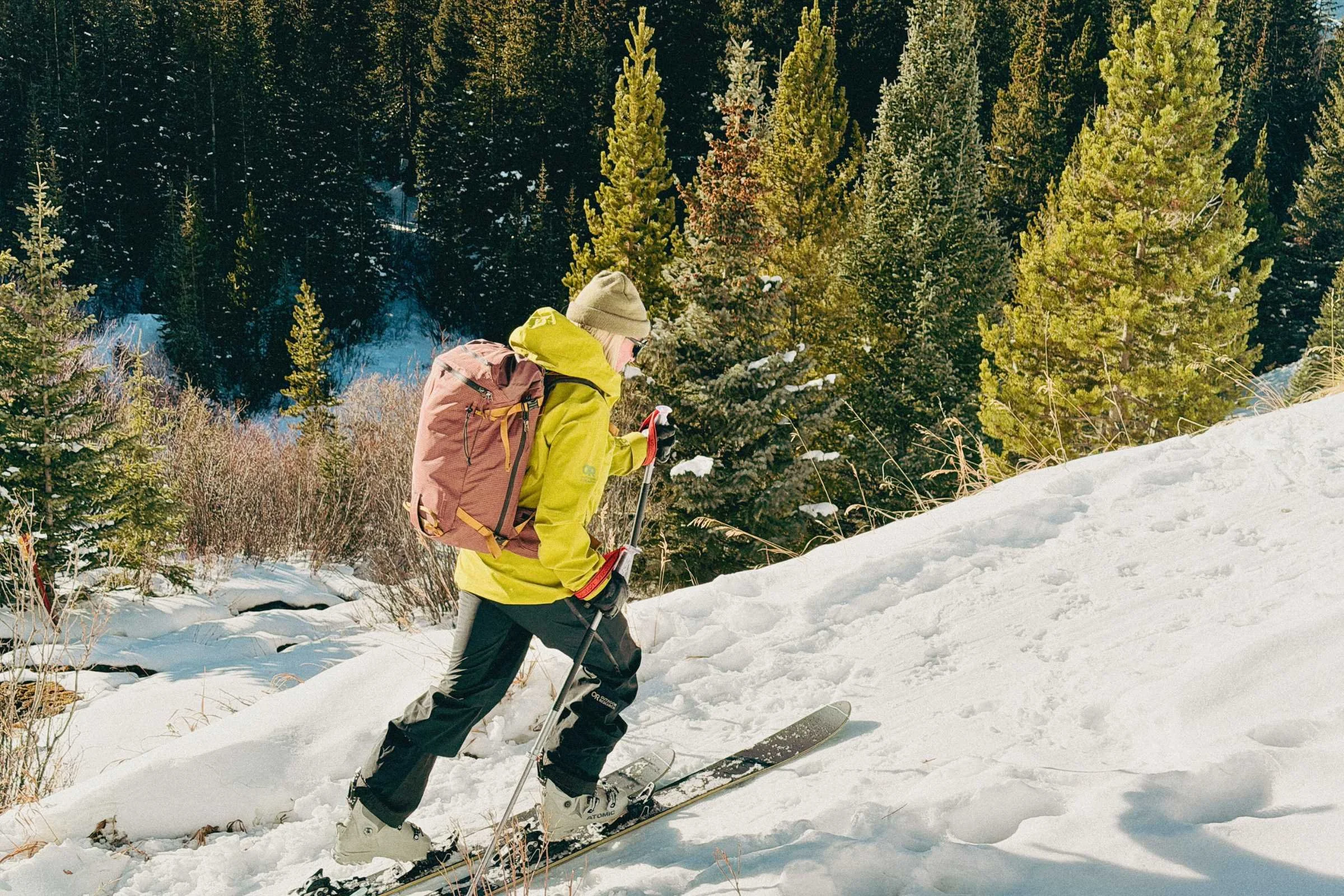
For those who want one jacket for everything, the Patagonia Untracked is a hybrid standout. It offers the protection of a 3L laminate construction but stays lightweight enough for human-powered missions. During testing in the snowy peaks of the Dolomites, we found that the PFC-free DWR coating on the Untracked performed admirably, shedding wet snow without wetting out the face fabric. It also incorporates a RECCO avalanche reflector, which is a critical safety feature when venturing into out-of-bounds terrain.
Technical Spec: Norrøna Lyngen
- Fabric: 30D Recycled Nylon
- Membrane: Gore-Tex Active
- Breathability: 25,000 g/m²/24h
- Weight: 420g (Targeted at speed touring)
Technical Buyer’s Guide: How to Choose
The shift in the 2025–2026 season has been toward specialized engineering. High-performance women's ski jackets are now typically engineered to meet minimum technical standards of 20,000 mm for waterproofing and 15,000 g/m²/24h for breathability. If you are skiing in drier climates like Colorado or Utah, you might get away with lower waterproofing, but for coastal regions or high-exertion hiking, these numbers are the floor.
Understanding Hardshell vs Insulated Ski Jackets
The choice of hardshell vs insulated ski jackets for women essentially comes down to where you spend your time. A hardshell is a versatile shell that requires you to manage your own warmth with mid-layers. This is the preferred method for anyone doing backcountry touring because you can strip down to a base layer when climbing and add a down puffy for the descent. Conversely, an insulated jacket is a one-and-done solution. It is ideal for resort skiers who don't want to worry about complex layering and spend more time sitting on wind-whipped chairs than hiking ridge lines.
Sustainability and Material Innovation
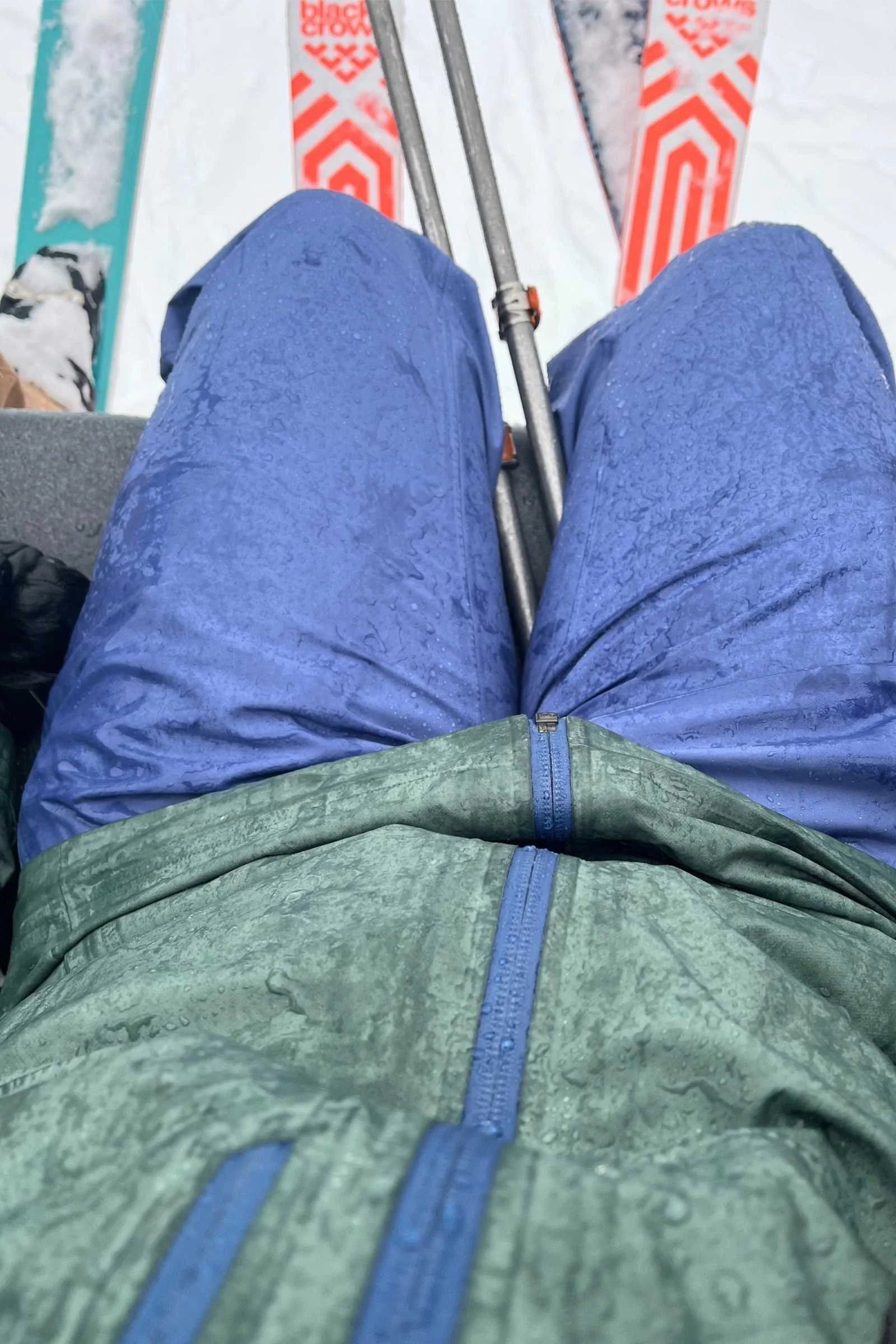
Modern high-performance ski jackets are increasingly moving toward sustainable construction. The industry is currently in a massive transition to sustainable and PFAS free women's ski jackets. Traditionally, waterproofing relied on "forever chemicals" (PFAS) in both the membrane and the water-repellent finish. For 2026, many top brands have switched to GORE-TEX ePE membranes and PFC-free DWR coating. These new materials are not only better for the environment but are often thinner and more flexible, improving the overall feel and movement of the jacket.
Sustainability Checklist for 2026 Gear
- PFC-free DWR coating: Look for jackets that explicitly state they are PFAS-free to avoid harmful chemical runoff.
- Recycled Content: Check for shells made from recycled polyamide or ocean waste.
- Repairability: Brands like Patagonia and Arc’teryx offer robust repair programs, extending the life of your gear.
- Bluesign Approved: Ensures the fabric was manufactured with the lowest possible impact on people and the environment.
FAQ
What features should I look for in a women's ski jacket?
You should prioritize a high waterproof rating of at least 20k/20k, a helmet-compatible hood, and underarm pit ventilation for temperature control. For women specifically, look for an articulated fit that offers enough hip clearance to prevent the jacket from riding up while skiing. Additional technical ski jacket features like a RECCO avalanche reflector and internal mesh dump pockets for stowing goggles or skins are highly recommended for advanced users.
Is it better to have an insulated or shell ski jacket?
It depends on your activity level and the climate where you ski most often. A shell is more practical for those who do a mix of resort and backcountry work because it allows for a flexible technical layering system. An insulated jacket is often better for resort skiers who find themselves getting cold easily or who ski in consistently sub-freezing temperatures where maximum, convenient warmth is the priority.
How waterproof should a ski jacket be?
For high-performance skiing, you should look for a minimum of 20,000mm waterproofing. This level indicates the pressure at which water will penetrate the fabric. Jackets with 20k to 28k ratings can withstand heavy, wet snow and high pressure (like sitting on a wet chairlift) without leaking. Breathability is just as critical; look for a rating of 15,000 g/m²/24h or higher to ensure sweat can escape from the inside.
How should a ski jacket fit?
A proper ski jacket fit should allow for a full range of motion. You should be able to cross your arms in front of you without the back feeling tight across the shoulders. The sleeves should be long enough to cover your wrists when your arms are extended. For women, the jacket should have enough room in the hips and chest to accommodate layers like a down vest or a fleece without feeling restrictive.
Are expensive ski jackets worth it?
High-end jackets often justify their price through the use of premium materials like Gore-Tex Pro ePE and durable 80D face fabrics that last for many seasons. These jackets offer superior waterproofing, better breathability, and more sophisticated technical ski jacket features for women that cheaper alternatives lack. If you ski more than 15-20 days a year or venture into the backcountry, the investment in durability and comfort is typically worth the higher upfront cost.